The Dravida Munnetra Kazhagam (DMK) has stirred a wave of political debate with its first list of candidates for the Tamil Nadu Assembly elections 2026, as several senior ministers and party stalwarts have been denied tickets, even though the party is contesting in 164 of the 234 seats. Among the most talked‑about exclusions are former Agriculture Minister K. Ponmudi, Highways Minister R. Gandhi, Dairy Development Minister T. Mano Thangaraj and Panchayat Raj Minister K. Kayalvizhi Selvaraj, all of whom held cabinet posts in the current government.
Why Mano Thangaraj lost his seat
Mano Thangaraj, a two‑time MLA from Padmanabhapuram in Kanyakumari district, has drawn the sharpest focus because the seat was allocated to the Congress as part of the DMK‑led alliance deal. That internal understanding effectively ended his chances of contesting from the constituency he had represented, even though he remains a member of the Cabinet.
Beyond the alliance arithmetic, observers point to a series of governance controversies linked to Aavin, the state dairy cooperative that falls under his department. Reports of milk shortages and allegations of adulteration had generated negative headlines before the polls, and the government’s image‑related concerns are widely seen as a factor in the leadership’s decision to hold him out even from a substitute seat. The move also followed a cabinet reshuffle in which Thangaraj was dropped from the Ministry, signalling a performance‑based recalibration of the team ahead of the Assembly elections.
Broader cull of senior leaders
The exclusion of Ponmudi, R. Gandhi and Kayalvizhi Selvaraj indicates a wider “shake‑up” within the DMK’s candidate pipeline. These leaders were regarded as loyal party workers with strong local bases, yet the leadership has opted to make room for a larger number of fresh faces and, in some cases, family members of established leaders. This pattern reinforces the reading that DMK is attempting to balance internal loyalty with electoral optics, especially in constituencies where the party is facing tough competition from the AIADMK and BJP–NDA combine. Ponmudi’s son Gautham Sigamani has been fielded from Thirukovilur.
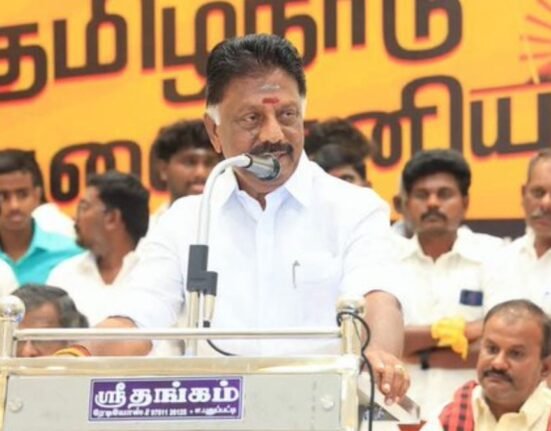
Equally notable is the inclusion of former AIADMK leader O. Panneerselvam, who has joined the DMK camp and is being fielded from Bodinayakanur, reflecting the fluid realignments that have marked the run‑up to the 2026 polls. For the ruling alliance, the candidate list thus reads as an attempt to consolidate existing support, plug perceived governance gaps in the public eye, and placate coalition partners, even at the cost of sidelining some established ministers.
As campaigning gathers pace, the success of this strategy will depend on whether the new faces can replicate the organisational clout of their predecessors and whether the electorate forgives or amplifies the governance controversies that shadow several of the sidelined leaders. In Tamil Nadu’s fiercely contested political theatre, DMK’s 2026 gamble will be tested not just in vote counts, but in how convincingly it can argue that renewal is essential even for an incumbent government.
-Samuthiran