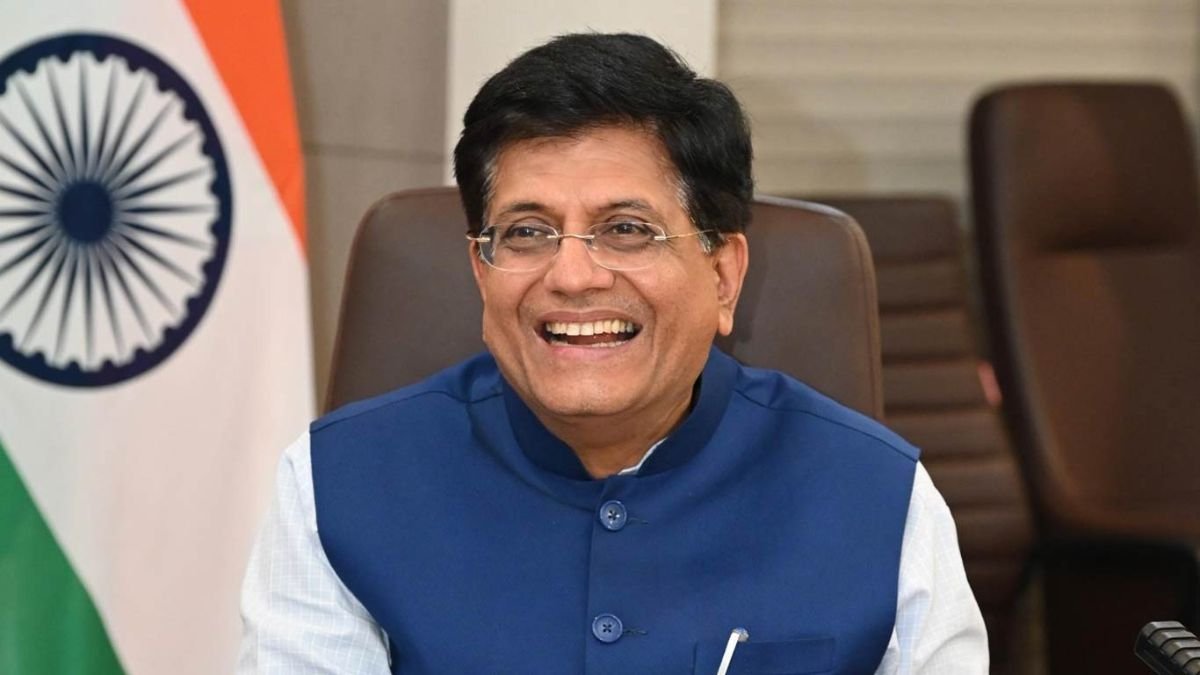
New Delhi — What was presented by the government as a diplomatic breakthrough in India–United States trade relations has quickly morphed into a political controversy at home, with the spotlight shifting from market access gains to a sharp critique of Commerce and Industry Minister Piyush Goyal and his public handling of trade agreements.
On 7 February 2026, senior ministers from India and the US concluded an interim trade agreement in New Delhi, signalling a renewed push towards a fuller and more ambitious trade partnership. Government sources described the accord which eases certain tariffs, expands access for agricultural and industrial products, and addresses long-standing non-tariff barriers as substantive enough to deliver immediate benefits to exporters while laying groundwork for a comprehensive Free Trade Agreement (FTA) later in the year.
In official statements, Mr Goyal emphasised that the interim pact was carefully calibrated to protect India’s developmental interests while opening doors for Indian exporters. However, that message was quickly overtaken by a political backlash sparked by remarks Mr Goyal made in the context of historic trade negotiations.
Critics, including veteran Congress leader Anand Sharma, have zeroed in on what they describe as Mr Goyal’s “dismissive and disparaging” references to trade agreements negotiated under previous governments, particularly during the UPA era when Mr Sharma himself held the commerce portfolio. “Trade negotiations are complex, multi-year engagements that require continuity and trust,” Mr Sharma said in a blistering statement. “To reduce them to political one-upmanship is not only irresponsible but risks unduly damaging India’s negotiating credibility.”
Mr Sharma went further, demanding a formal apology from Mr Goyal for remarks he said demeaned the work of past trade negotiators and undermined public confidence in India’s economic diplomacy. He said Mr Goyal’s comments had been seized upon internationally, with foreign interlocutors questioning whether India’s trade policy was being influenced by domestic political considerations rather than long-term strategic goals.
Other opposition figures echoed the critique, arguing that reducing nuanced trade policy to partisan commentary can weaken India’s position in future negotiations. “When we engage on trade with partners like the United States, continuity and clarity matter,” said another senior Congress MP. “Our trade partners need to see India as a reliable, predictable negotiator, not a country where each political cycle resets policy narratives.”
Questions over whether India has halted crude oil imports from Russia have triggered sharp political reactions after contradictory responses from senior Union ministers. When asked about the issue, Piyush Goyal reportedly said he was unaware of any such decision and advised seeking clarification from External Affairs Minister S. Jaishankar. Jaishankar, in turn, offered a similar response, directing the question back to Goyal.
The exchange has drawn criticism from the Opposition, which alleges that the Narendra Modi-led government is evading even questions raised from within its own ranks, leaving key policy matters mired in ambiguity.
The BJP, meanwhile, has defended Mr Goyal’s remarks, saying that his criticism of past trade deals was part of a legitimate effort to highlight policy differences and that no disrespect was intended toward career negotiators. A party spokesperson said debates over the merits of past agreements were a normal feature of democratic discourse.
Despite official attempts to steer the conversation back to the economic merits of the interim accord, the controversy has drawn attention in business circles as well. Some industry representatives expressed concern that political squabbling over trade rhetoric could distract from the practical work of ensuring the deal’s swift implementation. “Negotiations with the US are complex,” said one trade analyst. “What matters most for exporters is clarity and continuity. The messaging around negotiations should reflect that reality.”
As Parliament reconvenes, the issue is likely to remain in the spotlight. With the next phase of India–US trade talks expected to tackle services, digital commerce and investment protections, policymakers will need to balance strategic economic objectives with the political sensitivities now unfolding in New Delhi.
In the current climate, where even economic diplomacy is subject to domestic political contestation, the government’s challenge will be to ensure that its diplomatic gains are not overshadowed by the turmoil they have generated at home.