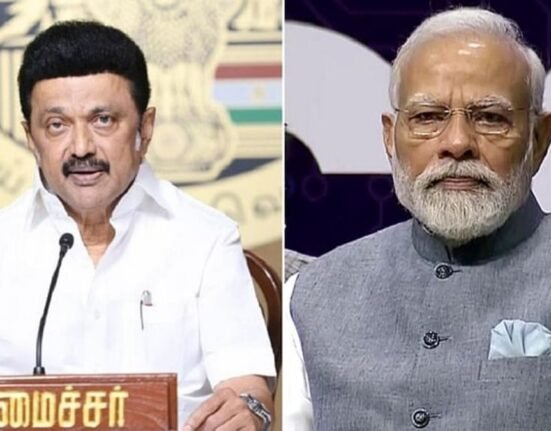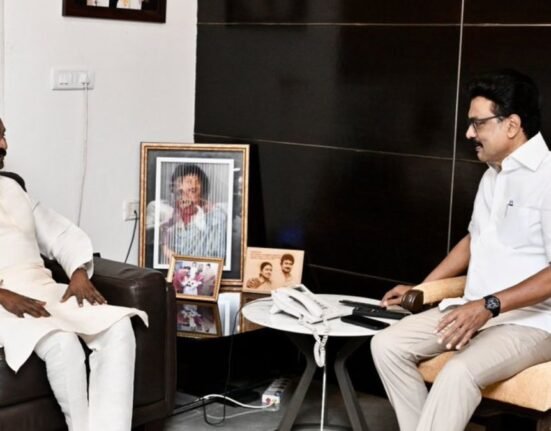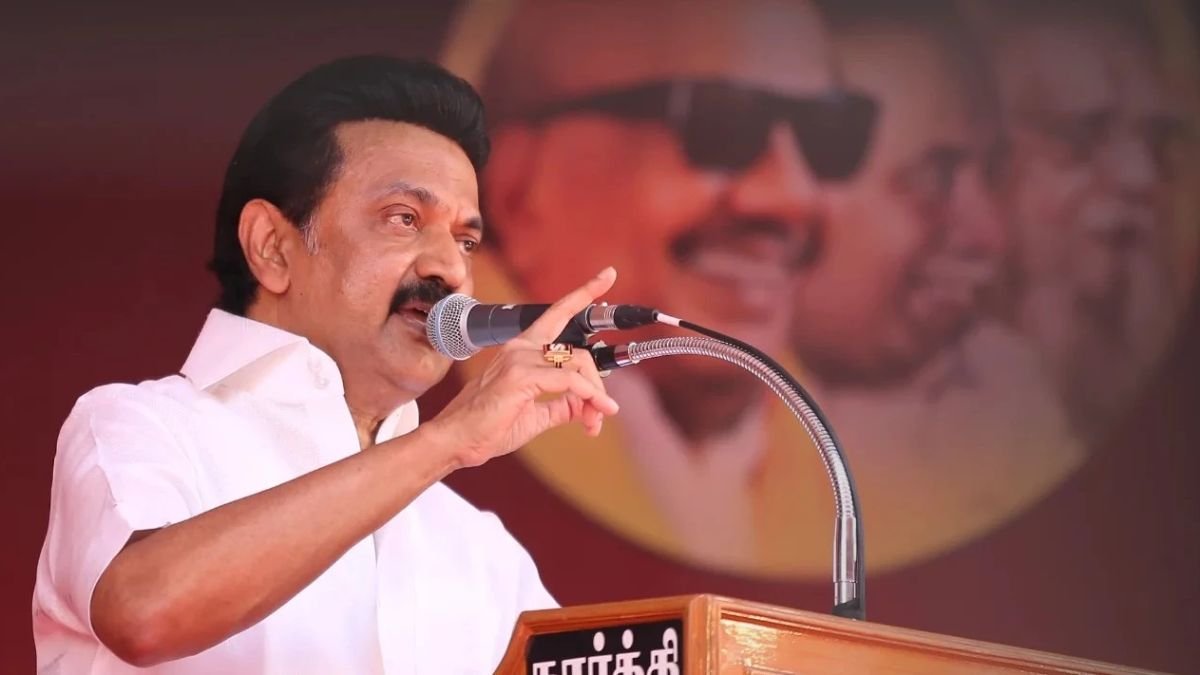
Responding swiftly to an emerging fuel crisis gripping Tamil Nadu’s hospitality and food service sectors, the state government on Saturday, March 14, announced a ₹2-per-unit subsidy on electricity for hotels, tea stalls, and cloud kitchens that transition from LPG cylinders to electric stoves. The decision was taken at a high-level meeting chaired by Chief Minister M.K. Stalin, who reviewed the widening impact of disruptions in LPG supply on commercial establishments and small food businesses across the state.
The crisis is a direct fallout of the ongoing conflict in West Asia, which has severely disrupted global LPG supply chains. Tamil Nadu, like many Indian states, has been grappling with acute shortage of commercial cooking gas cylinders, forcing restaurant and hotel owners to scramble for alternatives to keep their kitchens running.
The electricity subsidy, according to an official press release, will remain in force until restrictions on LPG use and availability are formally lifted. The measure is designed to encourage eateries to make a temporary shift to electric cooking while cushioning the blow to their operating costs — a critical consideration for the lakhs of small food businesses that operate on wafer-thin margins. The Tamil Nadu Electricity Board (TANGEDCO) chairman Radhakrishnan made the announcement at a press conference in Chennai on Friday, ahead of Saturday’s cabinet-level decisions.
The government’s response was comprehensive and multi-layered. Beyond the power subsidy, the state announced the allocation of 3,228 kilolitres of kerosene for distribution to ration card holders to ease household fuel burden during the shortage period.
To support businesses in making the switch to electric cooking equipment, the state has also unlocked access to loans under several existing schemes. Under the Unemployed Youth Employment Generation Programme (UYEGP), entrepreneurs can avail loans with a 25 per cent capital subsidy or a maximum grant of ₹3.75 lakh. Women business owners can access similar benefits under the Tamil Nadu Women Entrepreneur Empowerment Scheme (TWEES), which offers a 25 per cent subsidy up to ₹2 lakh. The Annal Ambedkar Business Champions Scheme (AABCS) provides a more generous 35 per cent subsidy with a maximum grant of up to ₹1 crore.
The announcement also addressed industrial establishments. Of the 60,698 factories in Tamil Nadu currently operating on fuels such as LPG, CNG, diesel, furnace oil and firewood under the Pollution Control Board’s authorisation, all have now been permitted to temporarily switch to alternative fuels including kerosene, refuse-derived fuel (RDF), high-speed diesel (HSD), and biomass without needing fresh Consent to Establish or Consent to Operate approvals from the Board. The exemption will remain in place until the fuel crisis is resolved.
The government also took measures to insulate farmers from the ripple effects of the crisis. Recognising that restaurant closures or reduced operations could suppress demand for fresh produce, farmers have been permitted to sell their produce without restrictions at 194 Uzhavar Sandhais the state’s network of farmers’ markets spread across Tamil Nadu.
To ensure orderly distribution of LPG to commercial establishments, a state-level monitoring committee headed by the Chief Secretary has been constituted, with district-level committees led by District Collectors and representatives from oil companies also being put in place.
The Tamil Nadu Hotels Association welcomed the announcement warmly. Its president, M. Venkadasubbu, thanked Chief Minister Stalin for the electricity tariff relief and called for additional support, including property tax concessions, industrial electricity tariff benefits for the hotel sector, and policies enabling hotels with low-tension connections to use solar and wind energy through captive or third-party arrangements.
The measures reflect the DMK government’s attempt to manage a crisis that, at its roots, has little to do with state policy but whose consequences are being felt most acutely by the state’s small business owners and working-class households.