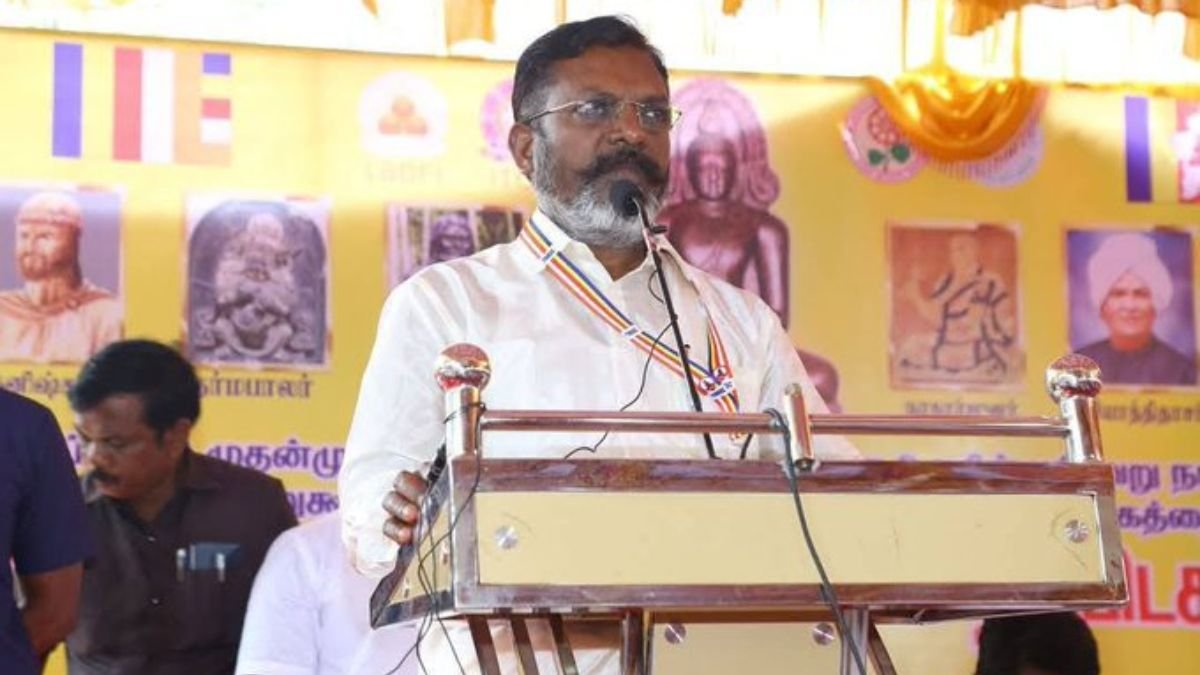
Viduthalai Chiruthaigal Katchi (VCK) has formally entered the 2026 Tamil Nadu Assembly elections with a compact but focused line‑up of eight candidates, as part of its alliance with the DMK‑led Secular Progressive Alliance (SPA). The list, announced on the heels of a seat‑sharing pact signed at Anna Arivalayam in Chennai, reinforces VCK’s role as a Dalit‑based ally plugging key reserved and general seats, while party chief Thol. Thirumavalavan himself takes the high‑profile decision to contest from Kattumannarkoil (SC) in Cuddalore district.
Thirumavalavan returns to Kattumannarkoil
Thirumavalavan, who has been a central figure in Tamil Nadu’s Dalit movement for over three decades, is returning to the Assembly race by choosing Kattumannarkoil, the same reserved constituency from which VCK fielded a winning candidate, Sinthanai Selvan, in 2021. The seat is considered a VCK stronghold, with the party having secured over 49% of the votes in the last poll, and his personal candidacy is aimed at consolidating Dalit voters while also projecting a stronger mainstream presence within the ruling alliance.
In public remarks, Thirumavalavan framed the alliance with DMK as a necessary step to ensure that Dalit voices are not marginalised in Tamil Nadu’s governance structures. “We are entering this election not just to win seats, but to demand a bigger say in policy and administration,” he said, underscoring the party’s ambition to move beyond the image of a niche pressure group into a full‑fledged political force.
Eight‑seat basket with caste and regional balance
Under the DMK‑VCK pact, the latter is contesting six reserved Assembly segments and two general constituencies, reflecting a deliberate attempt to balance clearly defined Dalit pockets with broader, mixed‑caste belts. The reserved seats are spread across different districts and caste‑category mixtures, allowing VCK to project its influence beyond a single region while still anchoring its base in traditional strongholds.
The allocation of only eight seats down from the 10‑plus constituencies the party contested in earlier elections when it was part of different fronts highlights the competitive environment within the DMK‑led alliance. Yet party leaders argue that this focused spread will help VCK concentrate resources and cadre, ensuring that each candidate can be positioned as a serious contender rather than a symbolic nomination.
What this means for TN 2026
For the ruling alliance, VCK’s slate is a strategic insurance: it helps retain a section of Dalit and socially marginalised voters who might otherwise drift toward smaller outfits or newer parties such as Tamilaga Vettri Kazhagam (TVK). At the same time, the decision to slot Thirumavalavan personally into Kattumannarkoil signals that VCK views the 2026 polls as a moment to reassert its political relevance after the party’s patchy performance in national‑level exercises and some state experiments outside the DMK fold.
With Tamil Nadu voting in a single phase on April 23, VCK’s success in those eight pockets including Kattumannarkoil will be watched closely as an indicator of how far the Dalit‑centric narrative can travel in an increasingly crowded, personality‑driven electoral landscape. For Thirumavalavan and his cadre, the 2026 Assembly election is less about a sudden expansion in numbers and more about deepening their foothold in a system that still defines much of Tamil Nadu’s politics.
-Samuthiran