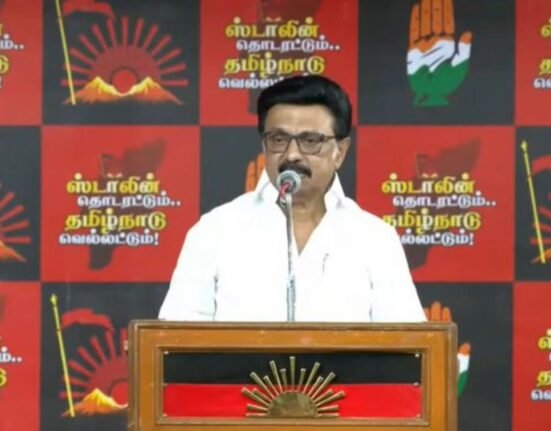

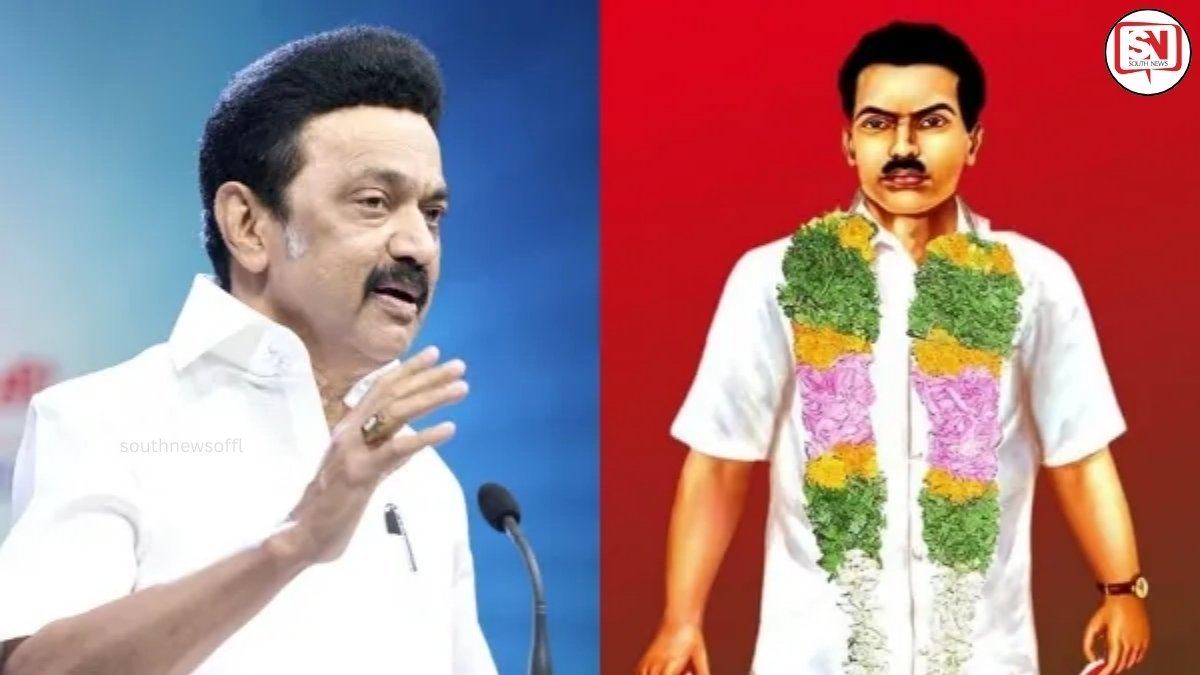
The inauguration of the Immanuel Sekaran Memorial by Tamil Nadu Chief Minister M.K. Stalin marks a significant political and social moment in the state’s contemporary history. Beyond the ceremonial opening of a memorial hall, the event carries deep symbolic meaning rooted in Tamil Nadu’s long-standing discourse on social justice, equality, and political recognition of marginalised voices.
Immanuel Sekaran, remembered as a freedom fighter and a powerful symbol of resistance against caste oppression, occupies an important place in the collective memory of southern Tamil Nadu. By formally inaugurating a memorial dedicated to him, the DMK government has once again reinforced its ideological positioning as a party aligned with social justice, self-respect, and inclusive representation. Political observers note that such gestures are not merely commemorative but are also carefully aligned with the party’s historical identity and electoral strategy.
The memorial inauguration sends a clear message to communities that have long sought institutional recognition for their leaders and struggles. For many supporters, this move is seen as an acknowledgment of historical sacrifices that were previously sidelined in mainstream political narratives. The presence of the Chief Minister himself, rather than a delegated official, further amplified the emotional and political weight of the event.
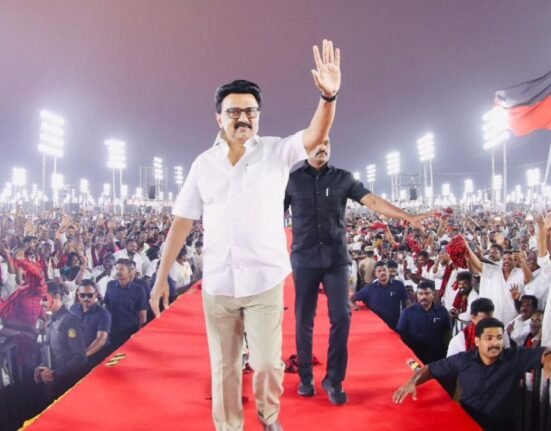
From an electoral perspective, the timing and symbolism of the inauguration are being closely watched. DMK has traditionally enjoyed strong grassroots networks, especially among cadres who actively mobilise public sentiment at the local level. Initiatives like the Immanuel Sekaran Memorial provide these cadres with a renewed narrative to engage voters, particularly in regions where identity, history, and social justice play a decisive role in voting behaviour.
Public response following the inauguration has largely reflected approval among DMK supporters and sympathisers. Many view the memorial as a continuation of the party’s commitment to recognising voices that represent resistance, dignity, and empowerment. On the ground, party workers have begun projecting the move as evidence that the current government listens to long-standing demands and translates them into concrete action.
Political analysts point out that such symbolic governance often strengthens emotional connect with voters, especially when combined with welfare schemes and administrative outreach. While infrastructure projects and economic policies influence governance ratings, memorials like this shape perception, loyalty, and ideological alignment—factors that matter significantly during elections.
At the same time, critics argue that memorial politics should be accompanied by sustained development and policy-level interventions. However, supporters counter that symbolic recognition and material progress are not mutually exclusive, and that acknowledging historical leaders builds social confidence and political inclusion.
As Tamil Nadu gradually moves closer to the next electoral cycle, events like the inauguration of the Immanuel Sekaran Memorial are expected to play a role in shaping narratives across constituencies. Whether viewed as a tribute, a political statement, or a strategic move, the inauguration has undeniably reinforced DMK’s core messaging—social justice, representation, and ideological continuity.
In the larger political landscape, this moment reflects how history, memory, and governance intersect in Tamil Nadu’s unique political culture. For the DMK, the memorial is not just a structure of remembrance, but a platform that strengthens its connection with people who see their past, identity, and aspirations reflected in such acts.