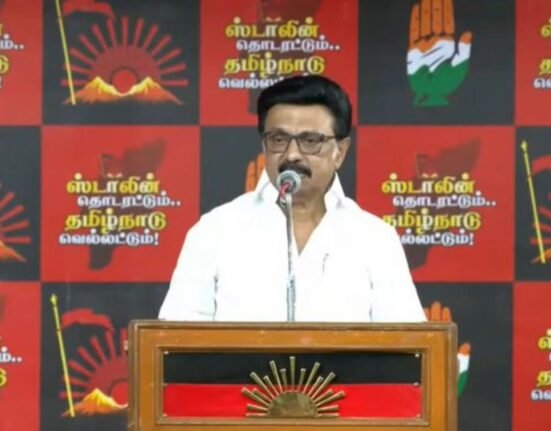

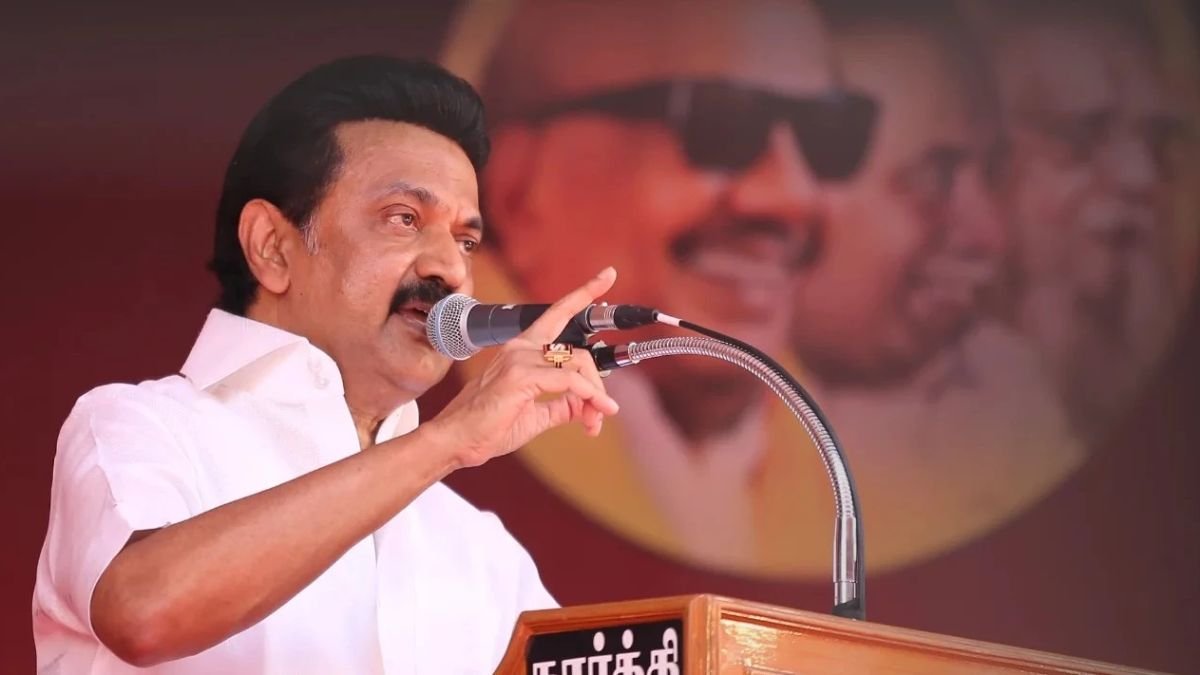
Tamil Nadu Chief Minister MK Stalin has come out strongly against the proposed Foreign Contribution (Regulation) (Amendment) Bill, 2026, calling it a “direct attack” on Christian NGOs, churches and other minority institutions, and demanding that the Union government withdraw it in full. The Bill, introduced in the Lok Sabha on March 25, seeks to tighten control over foreign funding to non‑governmental organisations, public trusts and religious bodies, provisions that critics say disproportionately affect minority‑run charitable and welfare organisations.
“Unjust and arbitrary” move
In a public statement and a social‑media post, Stalin described the amendment as “unjust and arbitrary” and urged Prime Minister Narendra Modi and the Centre to act immediately to roll it back. He linked the move to earlier controversies over Waqf properties, arguing that the Union BJP‑led government is now extending similar pressure to minority institutions that rely on overseas donations for education, healthcare and social‑welfare work.
Stalin has alleged that the proposed framework would effectively “chokes the lifeline” of Christian NGOs, churches and other minority bodies, particularly those active in Tamil Nadu, Kerala and other parts of southern India where such organisations have a long history in education and healthcare. He has warned that the Bill could be pushed through in a future special session of Parliament, despite the current political climate in Kerala and other minority‑dense states.
Opposition and wider political backlash
Stalin’s criticism echoes broader opposition‑party objections, with leaders such as Congress general secretary K. C. Venugopal calling the proposed FCRA amendment a “targeted legislation” aimed at Christian communities and charitable NGOs. Left and regional parties have similarly framed the Bill as a threat to civil‑society autonomy, warning that tighter restrictions on foreign funding and the ability of the Centre to seize or manage NGO assets could erode the independence of minority‑run institutions.
The amendments have already triggered protests in Parliament and in several states, with campaigners highlighting clauses that allow the government to cancel registrations, restrict asset transfers and even take long‑term control of the properties of organisations that violate the tweaked FCRA norms. For Tamil Nadu’s leadership, the issue is not only about federalism and financial regulation, but about the symbolic and real‑world impact on minority‑centric institutions that have long served as pillars of social‑welfare infrastructure in urban and rural belts alike.
As the Bill remains on the national agenda, the Centre’s response to such state‑level alarms from Tamil Nadu, Kerala and others will shape whether the amendment is revived, diluted or rolled back entirely in the coming months.
-Samuthiran