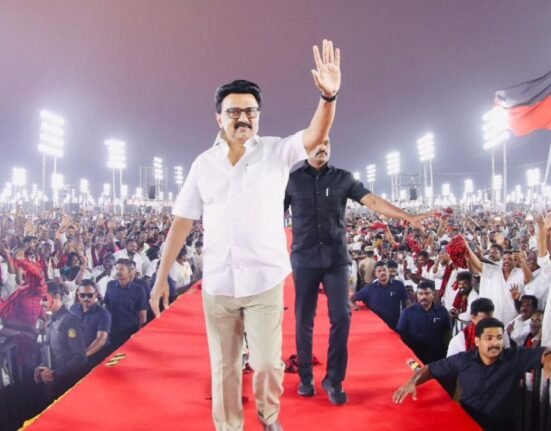

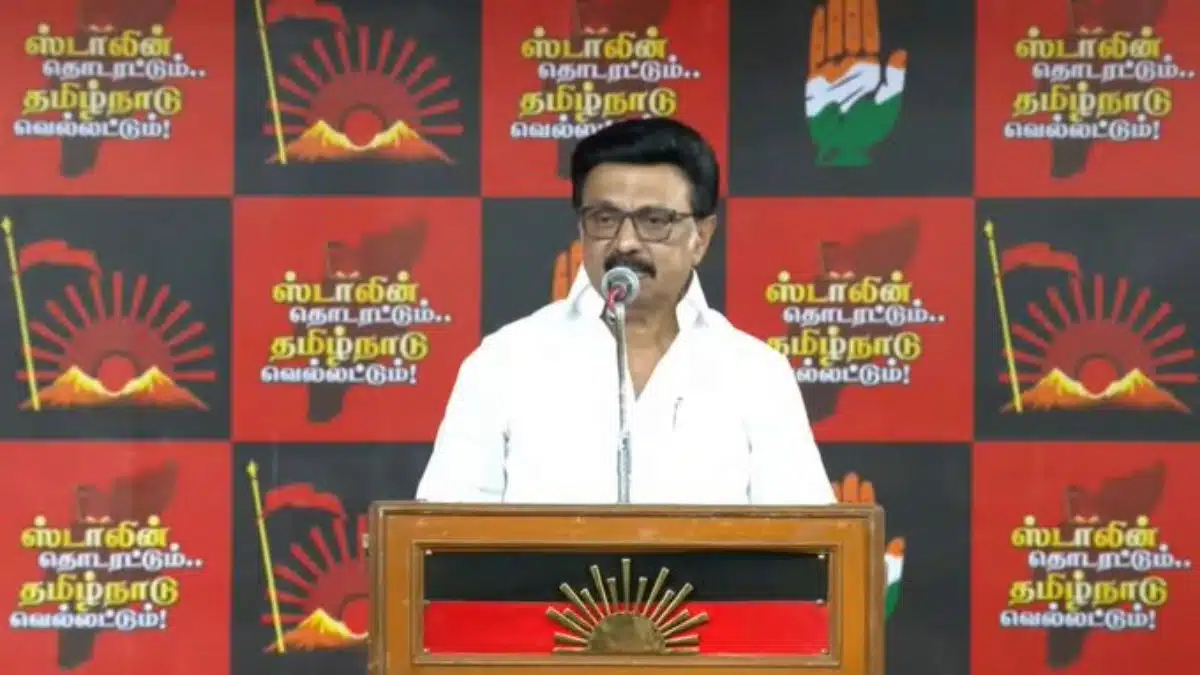
In a political earthquake that has redrawn the contours of Tamil Nadu’s power map, Chief Minister MK Stalin has been unseated from his own bellwether constituency of Kolathur. The result, declared on May 4, 2026, marks the first time a sitting Tamil Nadu CM has lost in his home Assembly seat since 1996 and the margin and message of the defeat point squarely to the rise of actor‑turned‑politician Thalapathy Vijay and his new party, Tamilaga Vettri Kazhagam (TVK).
What happened in Kolathur
Kolathur, a Chennai‑based urban‑assembly segment, has long been Stalin’s political fortress. Since the constituency was carved out in 2011, he has won it three times, by increasingly commanding margins, turning it into a personal brand of invincibility. But in the 2026 poll, the narrative flipped. Stalin lost to V. S. Babu, the TVK candidate, by a significant margin of over 7,700 votes, with Babu securing 68,419 votes against the Chief Minister’s 60,678.
The voting was intense in a high‑turnout election Chennai saw over 85% polling and the symbolic weight of the result was evident even before the full‑state outcome was clear. The loss not only stripped Stalin of a seat he has held since 2011, but also forced a sitting Chief Minister in Tamil Nadu’s history to face defeat in his own constituency, underscoring how even established dynasties are now vulnerable to disruption.
The face behind the upset: V. S. Babu
VS Babu, the victor, is no outsider; he was once a close aide and campaign manager to M. K. Stalin in Kolathur, serving as the North Chennai district secretary of the DMK and even winning as an MLA from Purasawalkam in 2006. Over time, however, estrangement set in, and Babu was eventually ousted from the DMK, after which he found traction with the TVK’s socio‑opening rhetoric. His win from Kolathur therefore reads not just as a change of party allegiance, but as a rejection of the old guard by a section of Stalin’s own base, now repackaged around Vijay‑centric politics.
Vijay’s TVK at the crossroads
The Kolathur outcome is part of a larger story: the Tamilaga Vettri Kazhagam, contesting all 234 Assembly seats on its own for the first time, has emerged as a single‑largest force in the state.
For Stalin, the loss in Kolathur is more than a personal setback; it is a warning sign of erosion in the capital city’s inner core and the erosion of the “Stalin bastion” aura. For TVK and Vijay, it is a powerful symbolic milestone: the image of their chief challenger being unseated by a former ally in his own stronghold will likely be used as a central motif in the party’s narrative for the next legislative term.
For voters, the Kolathur result reinforces that in Tamil Nadu, dynasties can be dethroned in their own backyard, and that the allure of cinema‑driven politics is no longer mere campaign spectacle, but a tangible force shaping the destiny of the state’s executive.
–Samuthiran