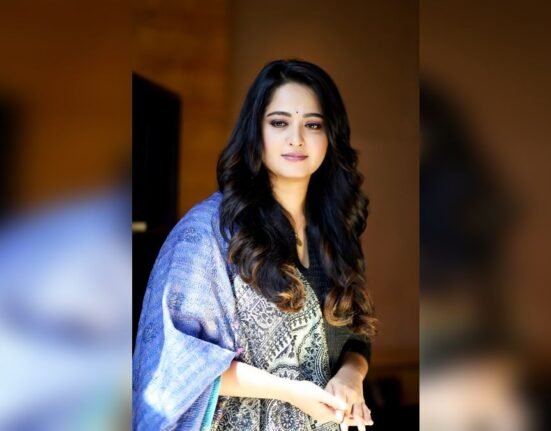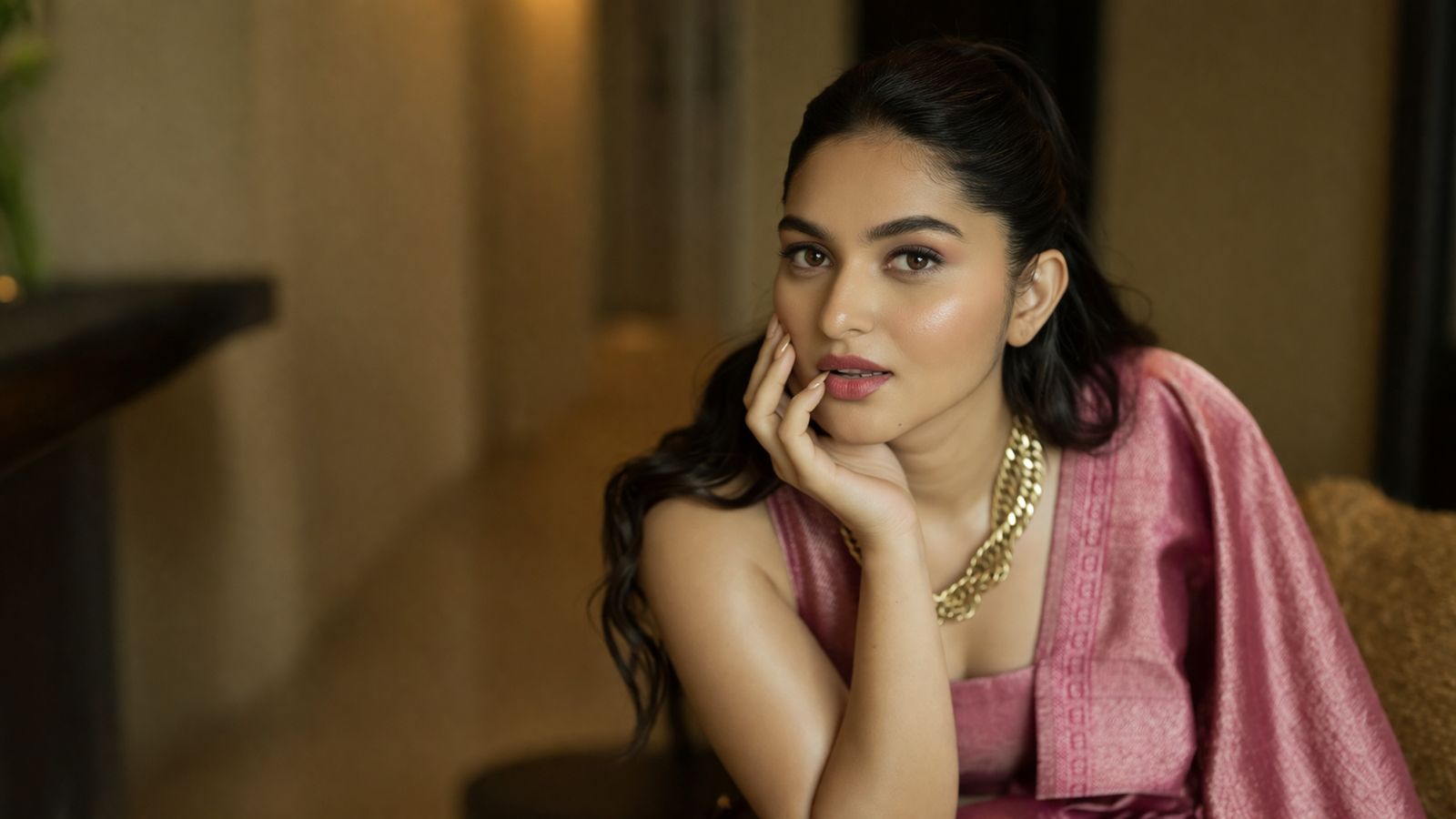
Actress Kayadu Lohar, best known for her striking debut in the Tamil film Dragon, has hit back at a viral image that shows her sporting a bold undercut hairstyle, clarifying that the picture is not real but an AI‑generated creation. The photo, in which she is pictured in a saree with the sharp, asymmetrical haircut, triggered a flurry of speculation among fans about whether she had adopted the look for an upcoming project, especially her Malayalam film Pallichattambi.
It was made using AI
In an interview with Galatta, Lohar addressed the widely shared image, saying she had indeed seen it but could not vouch for its authenticity. She explicitly stated that the undercut look was not for any film shoot and that the image was created using artificial intelligence, adding that she herself had not posted the picture on any of her social‑media accounts.
Her co‑star Tovino Thomas, who stars with her in Pallichattambi, also commented on the difficulty of distinguishing between real photographs and AI‑altered visuals, underscoring how easily synthetic images can pass as genuine celebrity content in the era of deepfakes and social‑media virality. The actress’s clarification has now been echoed by several fact‑check portals and entertainment outlets that have labelled the image “AI‑generated” and debunked the rumour that she actually got the haircut.
From Dragon to language talk and image control
Lohar’s recent interviews also touch on why she has not yet returned to Tamil cinema after Dragon, with her citing timing and language barriers as key factors. While she has been active in Telugu and Malayalam projects, she has noted that she understands only a “little bit of Tamil” and has yet to master the language fully, which makes Tamil‑language roles more challenging for her at this stage.
With her image being not just a professional brand but also a viral currency on social media, the AI‑haircut episode has become a cautionary tale for her and for fans alike. By openly calling out the fake image, Lohar is also sending a broader message about the need to think critically about what is seen online especially when it comes to celebrities whose faces can be, and increasingly are, reshaped by algorithms rather than stylists.
-Samuthiran