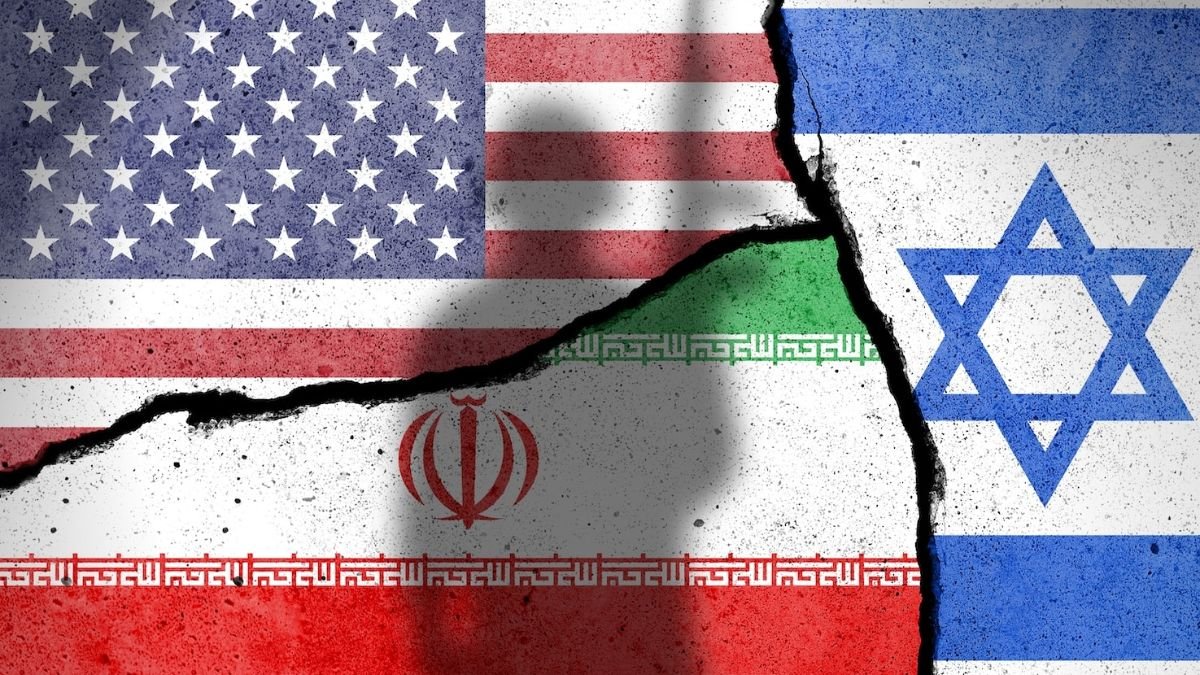
The conflict between Iran, Israel and the United States has intensified sharply, with Tehran declaring that it is prepared to sustain an “intense war” for at least six months as military exchanges continue across the Middle East. The escalation comes after a series of joint US-Israeli strikes on Iranian energy infrastructure and retaliatory missile attacks launched by Iran against Israeli targets and regional facilities.
A spokesperson for Iran’s Islamic Revolutionary Guard Corps (IRGC), Ali Mohammad Naini, said the country’s armed forces are capable of continuing “at least a six-month intense war at the current pace of operations.” Iranian officials also said that the country has already targeted more than 200 locations connected to US and Israeli military assets across the region since the conflict escalated.
The war, which began after joint American and Israeli strikes on Iranian targets in late February, has entered a new phase, with attacks now targeting critical energy infrastructure and military facilities across multiple countries.
Israel-US Strikes on Iranian Energy Infrastructure
The latest escalation occurred when Israeli and US forces carried out overnight air strikes on several Iranian oil facilities in and around Tehran. According to Iranian authorities and state media reports, the strikes hit four major oil storage sites and a petroleum transfer centre, triggering large fires and thick smoke across the capital.
Facilities reportedly targeted included the Aghdasieh oil warehouse in northeast Tehran, the Shahran oil depot in western Tehran, the Tehran refinery in the south of the city, and an oil depot in Karaj in neighbouring Alborz province. At least four workers were killed in the attacks, while Iranian officials said the strikes temporarily disrupted fuel distribution in the capital.
Israel said the facilities were used to support military infrastructure linked to Iran’s armed forces.
The strikes marked the first time in the current conflict that major civilian energy infrastructure in the Iranian capital has been directly targeted.
The war has also spread beyond Iran and Israel, with missile and drone strikes reported across parts of the Gulf region. Officials in several countries said Iranian attacks targeted facilities linked to US military operations and energy infrastructure.
Iran Retaliates With Missile Strike on Haifa Refinery
In response, Iran launched missile attacks targeting Israel’s northern port city of Haifa, a key industrial hub that houses oil refining facilities and strategic infrastructure. The IRGC said it used Kheibar Shekan ballistic missiles to strike the Haifa refinery complex.
Iranian officials said the attack was carried out in direct retaliation for the US-Israeli strikes on energy sites in Tehran. Explosions and fires were reported at the refinery after the missiles struck the facility.
The Haifa refinery is one of Israel’s most important energy installations and is closely linked to regional fuel supply networks.
The latest round of fighting follows a series of escalating attacks since the conflict began.
On February 28, the United States and Israel launched large-scale air strikes on Iran and several Iranian cities, marking the start of the current war. The strikes killed senior Iranian leadership figures, including Supreme Leader Ali Khamenei, along with military commanders and civilians. Iran responded by launching waves of missiles and drones targeting Israeli cities and US military bases across the Middle East.
Casualties and Regional Impact
The war has already caused heavy casualties across the region. Iranian authorities say more than 1,300 people have been killed in Iran since the beginning of the conflict, while around 300 deaths have been reported in Lebanon amid Israeli strikes linked to the broader confrontation. About a dozen people have been reported killed in Israel during Iranian missile attacks.
As the conflict enters its ninth day of large-scale exchanges, both sides continue to signal that the fighting may persist, raising concerns of a wider regional war.
– Magizh