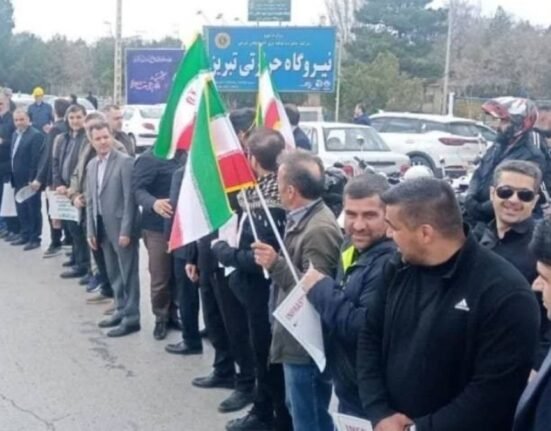
A temporary diplomatic breakthrough has emerged in the ongoing conflict between the United States and Iran, with both sides agreeing to a two-week ceasefire based on a 10-point proposal from Tehran, even as leaders on both sides signalled that the pause may not mark a permanent end to hostilities.
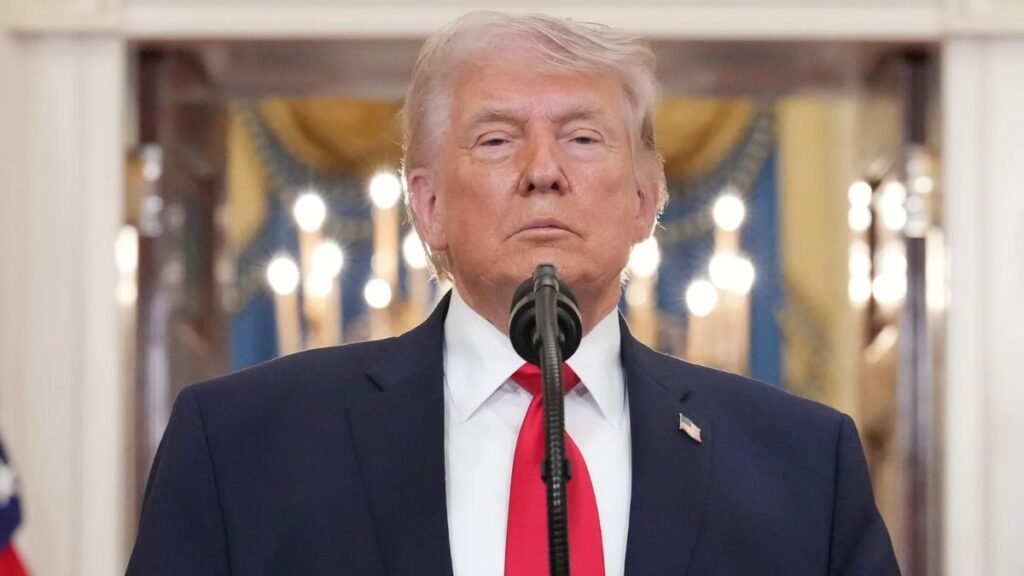
US President Donald Trump announced the suspension of military strikes just hours before a self-imposed deadline for escalation, stating that he would “suspend the bombing” for two weeks after Iran agreed to the “immediate” reopening of the strategically vital Strait of Hormuz. The move followed last-minute diplomatic efforts and was described by Trump as part of a “double-sided ceasefire,” with Washington acknowledging that Iran’s 10-point proposal could serve as a “workable basis” for negotiations toward a broader settlement.
The ceasefire comes after weeks of intense military exchanges that disrupted global oil supply routes and heightened regional tensions. Under the agreement, Iran has committed to ensuring safe maritime passage through the Strait of Hormuz, a key artery for global energy shipments, while the United States and its allies have paused further strikes. However, officials on both sides have indicated that the truce is conditional and dependent on compliance and continued negotiations.
At the core of the current diplomatic effort is Iran’s 10-point peace plan, which outlines its conditions for ending the conflict and resetting ties with the United States. According to details emerging from official briefings, the proposal includes the following demands:
- Non-aggression commitments between both sides
- Continued Iranian control over the Strait of Hormuz
- Acceptance of Iran’s uranium enrichment programme
- Lifting of all primary US sanctions
- Lifting of all secondary sanctions
- Termination of United Nations Security Council resolutions against Iran
- Termination of International Atomic Energy Agency board resolutions targeting Iran
- Payment of compensation to Iran for war-related damages
- Withdrawal of US combat forces from the region
- A complete cessation of hostilities across all fronts, including conflicts involving allied groups
These points reflect Tehran’s broader strategic objectives, particularly around sovereignty, economic relief, and regional security guarantees. The United States has not formally accepted all provisions but has indicated that the framework could guide future talks.
Despite the agreement, Iran’s Supreme Leader Mojtaba Khamenei cautioned against interpreting the ceasefire as a resolution to the conflict. In an official statement, he stressed that the development does not represent “the end of the war,” signalling that Iran remains prepared for further confrontation if necessary. Iranian authorities also warned that any violation during the ceasefire period would be met with a strong response, underscoring the fragile nature of the truce.
The agreement is expected to pave the way for formal negotiations, with talks likely to focus on bridging gaps over sanctions, military presence, and nuclear policy.