Dr. Yazhini P M
Public health systems are often judged by visible markers: hospitals built, insurance schemes announced, budgets allocated. Yet the deeper test of a health system lies elsewhere. It lies in who reaches care in time and who does not. Illness rarely distributes itself evenly across society. It travels along the lines of income, gender, geography and social hierarchy. A health system that expands infrastructure without confronting these patterns may grow larger without necessarily becoming fairer.
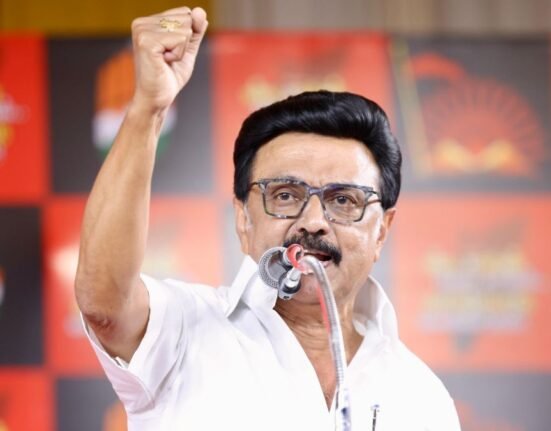
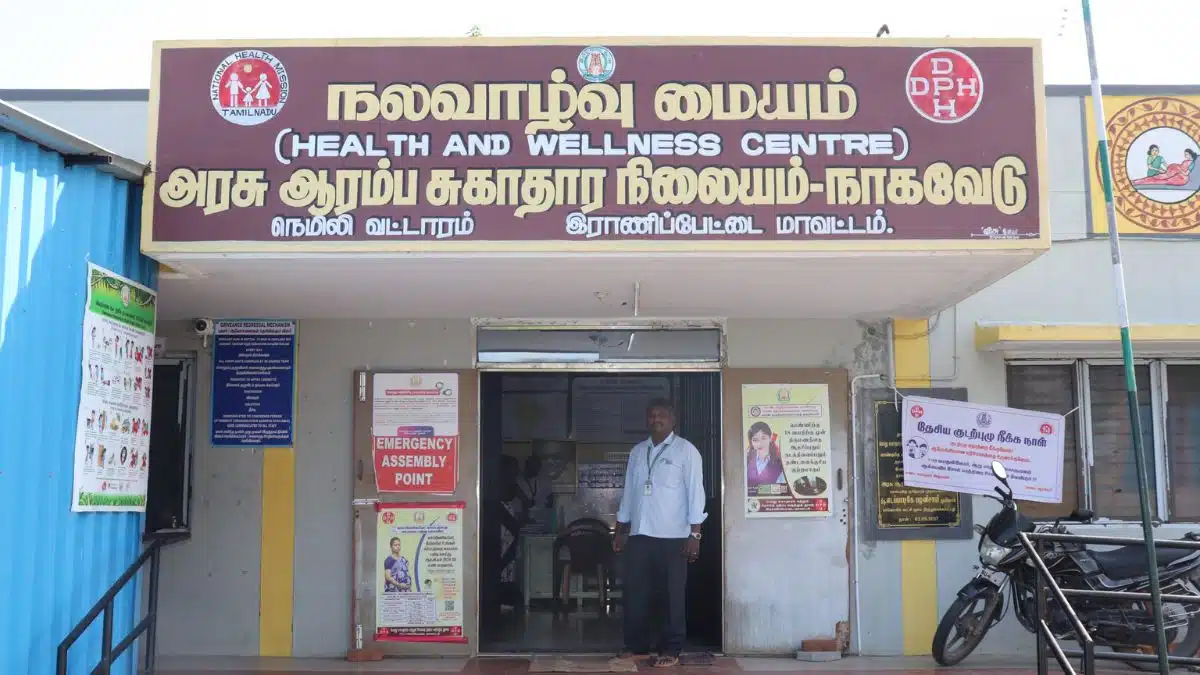
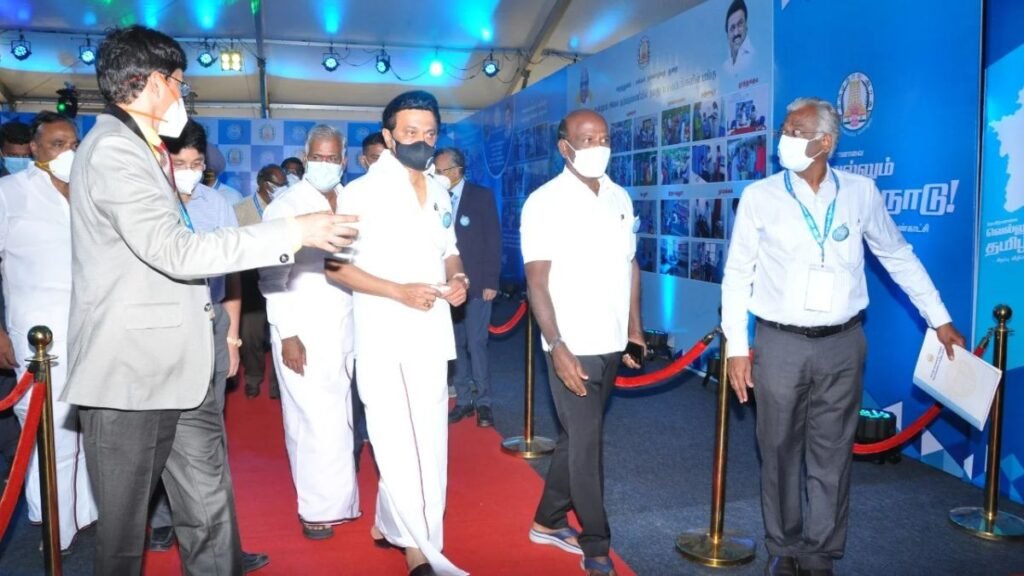
Tamil Nadu’s public health approach has gradually evolved around a different administrative instinct. Health has been treated not simply as a sector but as a social guarantee that must accompany citizens through the stages of their lives. This instinct became particularly visible during the pandemic years. When the government led by M. K. Stalin assumed office in 2021, it confronted a public health crisis that demanded immediate action. Containing infection, ensuring vaccination coverage, and stabilising households affected by the pandemic required rapid institutional coordination. Out of that moment emerged a governing lesson that continues to shape policy: care cannot remain confined within hospital walls. It must move closer to people.
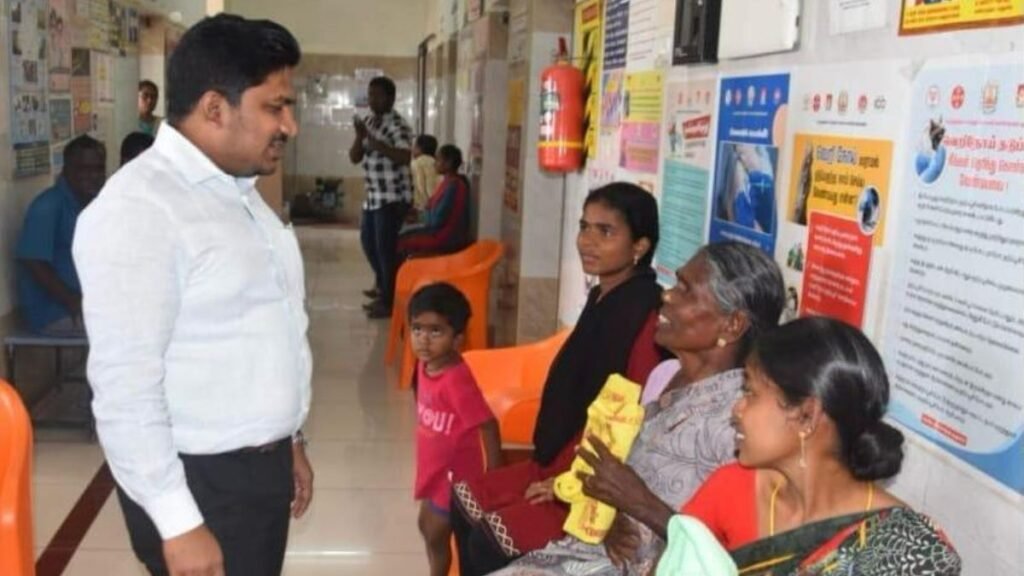
This approach found expression in initiatives such as Makkalai Thedi Maruthuvam, which delivers preventive health services directly to households. Health workers conduct screenings for non-communicable diseases, deliver medicines, and provide palliative support for individuals who are unable to travel to medical facilities. The programme has reached large numbers of beneficiaries and has integrated screening for conditions such as breast and cervical cancer into routine outreach. Its recognition with a United Nations public service award reflects the significance of bringing preventive care into everyday spaces where people live.
Tamil Nadu’s health policy increasingly follows what experts call a life-course approach. Instead of responding only when illness becomes acute, the system attempts to anticipate the changing risks citizens face at different stages of life. Maternal health, childhood nutrition, adolescent prevention, chronic disease management and elder care are treated as connected responsibilities within a single continuum.
Alongside this sits a second layer of planning. Public policy experts often describe this approach through a gender planning framework, which distinguishes between practical gender needs and strategic gender needs. Practical needs concern the everyday conditions that shape health outcomes. They include access to food, mobility, healthcare services and financial security. Strategic needs involve deeper changes that reshape long-term opportunities and social relations, including education, employment and decision-making power within households. When these two dimensions operate together, public health policy begins to address both immediate vulnerabilities and structural inequalities.
The Dravidian political tradition has historically approached welfare through a similar logic. Social programmes were rarely framed as charity. Instead they were built as institutional guarantees intended to reduce inequality over time. In the health sector this has meant combining preventive outreach, financial protection and social equity measures rather than relying on a single instrument.
Recent programmes illustrate how these principles operate in practice. The Kalaignar Magalir Urimai Thittam provides direct financial support to women, recognising their central role in household welfare. In clinical practice it becomes clear very quickly that illness rarely arrives suddenly. It grows quietly through missed screenings, delayed consultations and everyday financial constraints. Policies that strengthen women’s financial agency therefore influence health outcomes in ways that are often invisible in the short term. Every rupee in a woman’s hand today is a chronic disease averted ten years from now.
Similarly, free bus travel for women has expanded mobility across the state. When viewed from a public health perspective, mobility is not merely a transport issue. It determines whether people can reach schools, workplaces and healthcare facilities. Removing mobility barriers therefore improves access to preventive and curative services alike.
These programmes demonstrate how practical gender needs and strategic gender needs intersect within the Dravidian approach to governance. Immediate barriers are addressed through targeted policies while longer-term social shifts gradually reshape opportunities and outcomes.
The Dravida Munnetra Kazhagam’s 2026 manifesto extends this philosophy into the next stage of Tamil Nadu’s health policy. Many health systems expand services only after crises emerge. The approach outlined here attempts to build resilience earlier, across the stages of life.
Maternal and child health remains an important foundation. The Dr. Muthulakshmi Reddy Maternity Benefit Scheme continues to support pregnant women through financial assistance and nutrition kits that encourage institutional deliveries and safer postnatal care. The manifesto signals further efforts to strengthen maternal and child health outcomes while expanding access to assisted reproductive services through regional centres.
Preventive health among younger populations also receives attention. The government has launched a free cervical cancer vaccination programme targeting girls between the ages of nine and fourteen. Cervical cancer remains one of the most preventable forms of cancer when vaccination and screening are available. The programme therefore represents a long-term investment in women’s health.
At the same time, the manifesto proposes measures aimed at addressing lifestyle-related diseases. One such proposal calls for calorie values to be displayed on sweets and beverages sold within the state. The objective is to build awareness about diet-related health risks and encourage healthier consumption patterns.
For working-age adults, financial protection against medical emergencies becomes critical. Tamil Nadu’s Chief Minister’s Comprehensive Health Insurance Scheme already offers protection against catastrophic health expenditure. The manifesto proposes to expand this protection by increasing the income eligibility threshold to ₹5 lakh and raising insurance coverage to ₹10 lakh. The intention is to ensure that families can access advanced treatment without falling into debt.
Preventive action against chronic diseases forms another major pillar. Conditions such as diabetes, cardiovascular disease and kidney disorders have become major public health challenges. Programmes such as Paadham Paadhukaappom seek to prevent complications among patients living with diabetes by identifying foot-related conditions early and providing appropriate footwear.
Continuing the life-course logic at the stage where chronic illness begins to appear, the manifesto proposes modern cancer treatment facilities across district hospitals so that early detection is not defeated by distance. Expanding oncology infrastructure across districts will reduce the need for patients to travel long distances for specialised care. Similarly, the number of dialysis machines in government hospitals is proposed to be doubled so that individuals suffering from kidney disease can receive regular treatment closer to home.
The manifesto also recognises emerging public health challenges that extend beyond physical illness. Integrated mental health promotion centres are proposed across districts to provide counselling, stress management support and tele-counselling services. A policy framework aimed at reducing deaths by suicide reflects growing recognition that mental well-being must be treated as an essential component of public health.
Ageing populations present another important challenge. As life expectancy increases, healthcare systems must respond to the needs of older citizens living with chronic conditions. The manifesto proposes geriatric and palliative care units in government medical college hospitals so that older patients receive specialised support. Regional hospice centres are also proposed for individuals suffering from terminal illnesses who require compassionate end-of-life care.
Underlying these proposals is a broader concern about institutional capacity. Health systems ultimately depend on the professionals who operate them. Tamil Nadu has repeatedly argued that the increasing centralisation of medical education carries consequences beyond university admissions.
When Delhi’s one-size-fits-all entrance examinations strip states of the ability to shape their own medical pipelines, it is not merely a higher education dispute. It becomes a public health risk. Tamil Nadu’s experience shows that locally selected and socially representative students often return to serve in rural primary health centres and district hospitals. A system that weakens this connection risks weakening the public health workforce itself.
The ambition behind these proposals is not simply to build more infrastructure. It is to build a system where prevention, financial protection and social equity reinforce one another across generations. The Dravidian model has always attempted to translate social justice into functioning public institutions. In the health sector this means ensuring that care reaches people early, that treatment remains affordable, and that the system evolves alongside the changing needs of society.
With the past track record signalling a strong adherence to these commitments, the future that the manifesto gestures toward is one in which health security becomes a lived reality rather than an abstract promise. By 2030, a Tamil Nadu child’s life expectancy will no longer be guessed by gender, caste or pin code but by how much imagination the child brings to one’s future. That is the Dravidian Model as it moves into its next phase.
Dr. Yazhini P M is the Spokesperson and Coordinator of the Women’s Wing Social Media of the Dravida Munnetra Kazhagam (DMK).