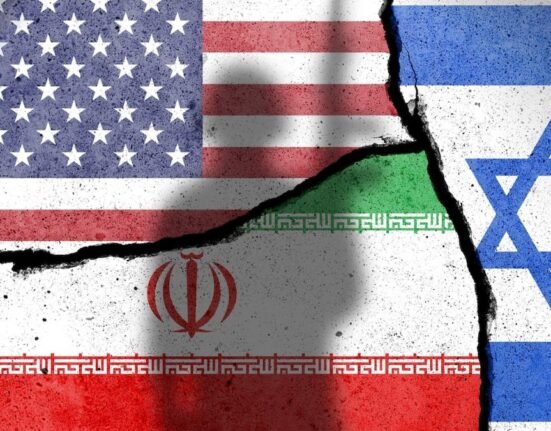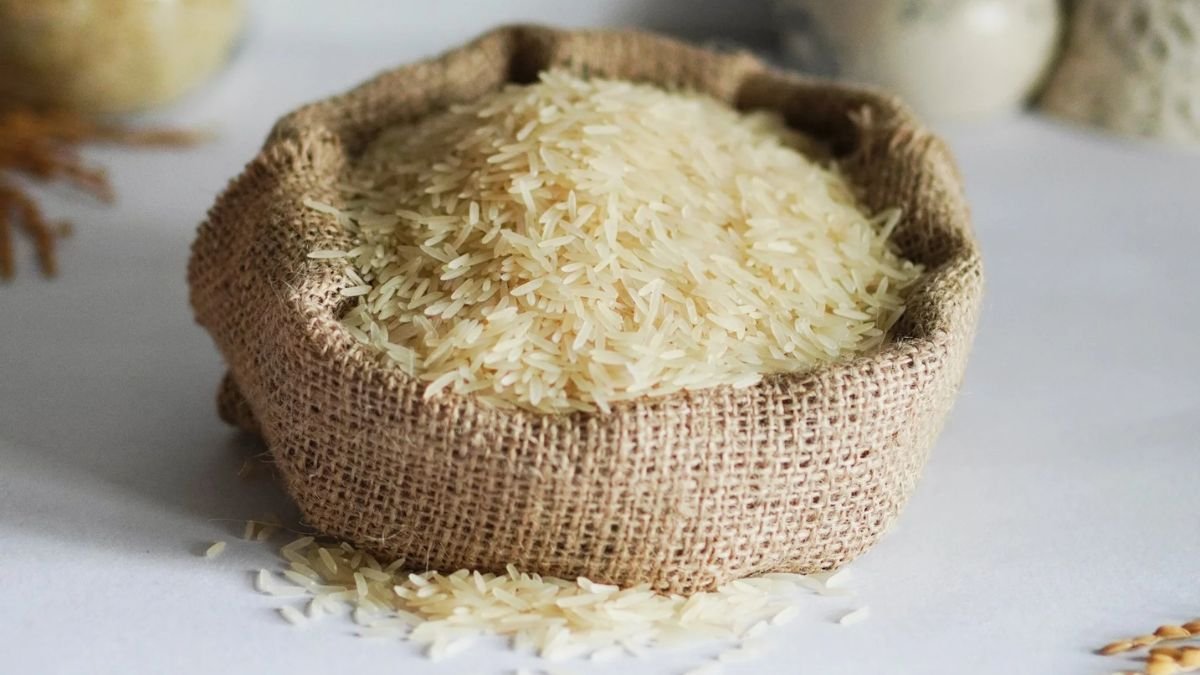
The escalating Iran–Israel conflict is beginning to affect India’s export economy, with the country’s lucrative basmati rice trade facing severe disruption. Industry estimates suggest that around 4 tonnes of basmati rice, roughly 400,000 metric tonnes are currently stuck at Indian ports or in transit, as shipping routes through West Asia become increasingly uncertain.
Exporters say the disruption has been caused by a combination of war-related shipping risks, rising freight costs and insurance constraints. Several shipping lines have either cancelled or delayed services to ports in the Gulf region, while insurers have increased war-risk premiums for vessels passing through sensitive routes such as the Strait of Hormuz, one of the world’s most important trade corridors.
According to trade bodies, roughly half of the stranded shipments are stuck at Indian ports, while the rest are already at sea or waiting at destination ports. Exporters report that freight charges on Asia–West Asia routes have surged dramatically from about $1,200–$1,800 per container to nearly $3,500–$4,500 placing enormous pressure on already thin profit margins in the rice trade.
The crisis is particularly serious because West Asia is the largest market for Indian basmati rice, accounting for roughly 60–70% of exports. Countries such as Saudi Arabia, Iran, Iraq and the UAE are major buyers, and trade with Iran alone constitutes a significant share of India’s annual basmati export revenues.
Exporters say the sudden halt in shipments has triggered a domestic glut and falling prices in India. With international deliveries stalled and buyers reluctant to accept higher shipping costs, basmati prices in local markets have dropped by about 6–10% in recent days.
Industry groups, including the Indian Rice Exporters’ Federation, have urged the government to step in with immediate relief measures. They have requested waivers on port storage and demurrage charges, recognition of the conflict as a force majeure event, and assistance in redirecting shipments to alternative markets if the crisis persists.
The disruption highlights how geopolitical tensions in West Asia can ripple through global supply chains and affect Indian agriculture. With India exporting $4.5–$5 billion worth of basmati rice annually, exporters warn that prolonged instability in the region could cause significant financial losses for traders, millers and farmers alike.
If the conflict continues, analysts say India’s basmati industry heavily concentrated in Punjab, Haryana and western Uttar Pradesh may face prolonged price pressure and liquidity challenges as shipments remain stalled and new export orders slow.
– Samuthiran