

Global crude oil prices have surged sharply amid the escalating conflict in the Middle East, raising concerns about possible fuel price pressures in India, one of the world’s largest oil importers. Brent crude, the benchmark for more than three-quarters of globally traded oil, recently climbed to around $119 per barrel, the highest level since mid-2022, as supply disruptions and production cuts tightened the global market.
The spike comes as tensions linked to the Iran conflict have disrupted shipping routes and energy production across the region. The Strait of Hormuz, a critical waterway through which about one-fifth of the world’s oil supply passes, has been affected by the crisis, complicating shipments and tightening supplies.
The rise in crude prices is significant for India because the country imports the majority of its crude oil requirements. Higher international prices typically increase India’s import bill and can eventually put pressure on domestic fuel prices.
Russian Oil Continues to Flow, But at Higher Prices
India had managed to cushion earlier global price shocks by purchasing discounted crude oil from Russia after Western sanctions were imposed following the Ukraine war. However, reports indicate that Russian crude shipments to India are now being supplied without the earlier steep discounts, meaning refiners are paying higher prices than before.
This development could narrow the price advantage India previously enjoyed and increase the cost of crude procurement for domestic refiners. The change comes at a time when global energy markets are already under pressure due to the Middle East crisis.
LPG Prices Already Raised Across India
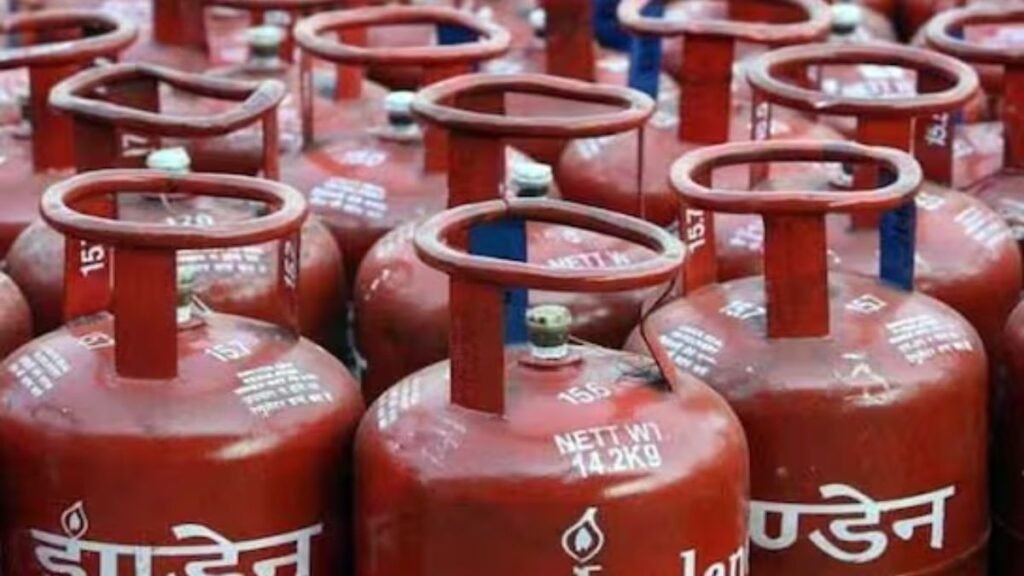
The impact of rising global energy prices has already been seen in the domestic cooking gas market. Oil marketing companies recently increased the price of a 14.2-kg domestic LPG cylinder by ₹60, while the price of a 19-kg commercial cylinder was raised by about ₹115.
Following the revision that took effect on March 7, a domestic LPG cylinder now costs ₹913 in Delhi and about ₹912.50 in Mumbai.
Government Position on Petrol and Diesel Prices
Despite the global surge in crude oil prices, the Union government has indicated that there are no immediate plans to increase petrol and diesel prices in India.
Union Finance Minister Nirmala Sitharaman also addressed concerns over the potential economic impact of rising crude prices, stating that “the rise in global crude prices will not have a substantial impact on inflation.” She added that authorities are keeping a close watch on the evolving situation in the Middle East and its implications for energy markets.
Global Measures Under Discussion
As oil prices climb, major economies are also exploring ways to stabilise markets. Reports suggest that G7 nations are considering releasing emergency oil reserves to ease supply pressures caused by the Middle East conflict. Such coordinated action is typically used to calm markets during major supply disruptions.
The sharp rise in crude oil prices, reduced discounts on Russian crude, and supply disruptions in the Middle East have heightened concerns about fuel costs globally. While petrol and diesel prices in India have not been revised so far, the increase in LPG prices shows that rising global energy costs are already affecting domestic consumers.
With crude oil hovering near multi-year highs and geopolitical tensions continuing in the Middle East, developments in global energy markets will remain a key factor in determining whether fuel prices in India move upward in the coming weeks.
– Magizh