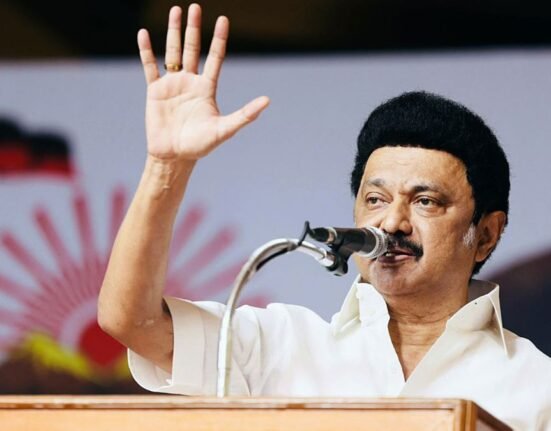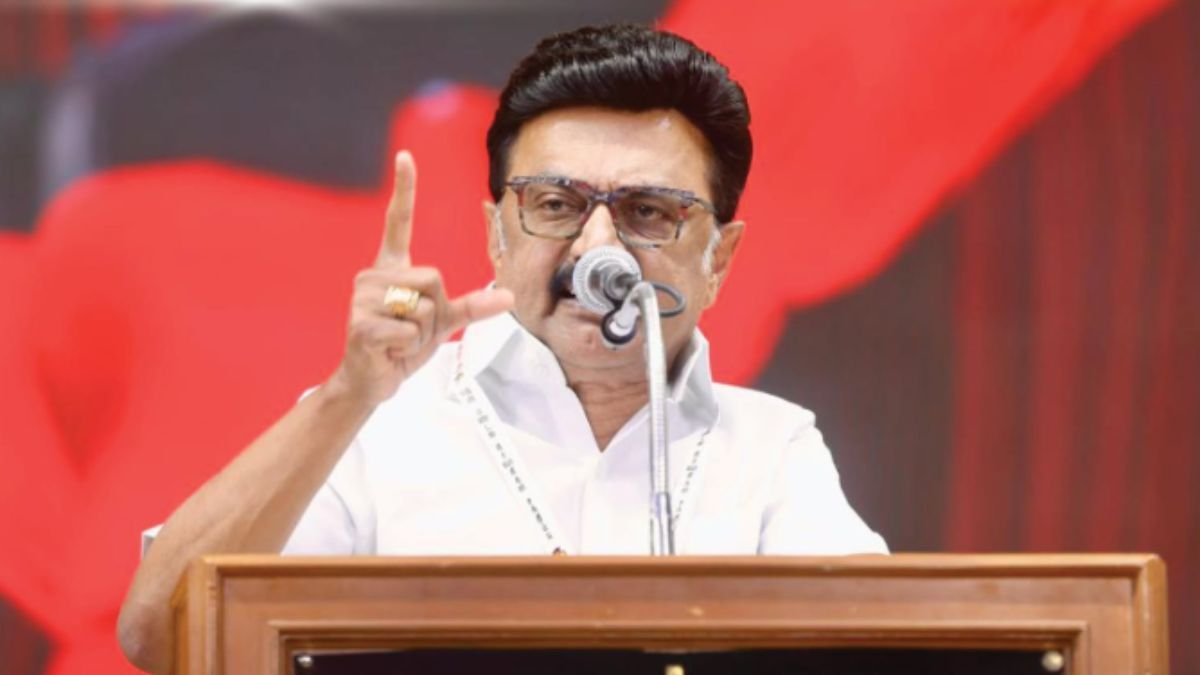
Chennai — With the 2026 Tamil Nadu Assembly elections approaching, Chief Minister MK Stalin has publicly questioned the political impact of frequent visits by Prime Minister Narendra Modi to the State, suggesting that the BJP’s high-profile outreach may ultimately yield adverse results for the National Democratic Alliance (NDA).
Mr Stalin said that the Prime Minister’s repeated engagements and rallies in the State including campaign appearances and policy announcements could bolster local sentiment against the BJP-led alliance rather than help it. “The more he visits Tamil Nadu,” said Stalin, “the bigger will be the defeat margin for the NDA.”
The Chief Minister framed his remarks in the context of Tamil Nadu’s distinctive political identity and history of regional party dominance. “Voters here have their own priorities,” he said, emphasising that frequent appearances by national leaders risk being perceived as external imposition rather than genuine engagement with local aspirations. “Tamil Nadu is not a place where repeated visits alone will sway outcomes.”
Stalin’s remarks reflect a broader narrative underscoring regional autonomy and critique of national political involvement themes that have been central to state politics for decades. By highlighting what he described as a “disconnect” between national campaigning and local sentiment, the Chief Minister sought to position his party as the authentic voice of Tamil Nadu voters.
Political analysts say Mr Stalin’s statements are part of a strategic effort to reinforce the DMK’s regional appeal ahead of an election that promises to be fiercely contested. By casting frequent visits by the Prime Minister as potentially counterproductive, Stalin aims to mobilise local pride and scepticism toward outside influences a tactic long used by regional parties in the State.
The BJP, for its part, has continued to increase its footprint in Tamil Nadu through a series of high-profile events and policy pledges, underscoring national development agendas and flagship programmes. The party has held rallies and public meetings in multiple districts, positioning the Prime Minister as an anchor of national leadership and governance.
Tamil Nadu’s elections have historically been influenced by a complex interplay of regional identity, governance performance, caste dynamics and coalition politics. In this context, national leaders’ involvement has elicited mixed reactions in the past, with voters at times welcoming infrastructure and central support, and at other times reaffirming regional autonomy.
As the election season intensifies, the political debate over the impact of national campaigns and the Prime Minister’s personal interventions is likely to remain a focal point. Mr Stalin’s remarks signal that the DMK will continue to emphasise local priorities and distinctiveness, positioning itself against the NDA’s narrative and asserting Tamil Nadu’s unique electoral temperament.