Chennai — The Tamil Nadu government on 17 February 2026 presented its interim budget for the fiscal year 2026–27 in the State Legislative Assembly, outlining major allocations for social welfare, education, infrastructure and industry even as it strives to maintain fiscal balance in an election year.
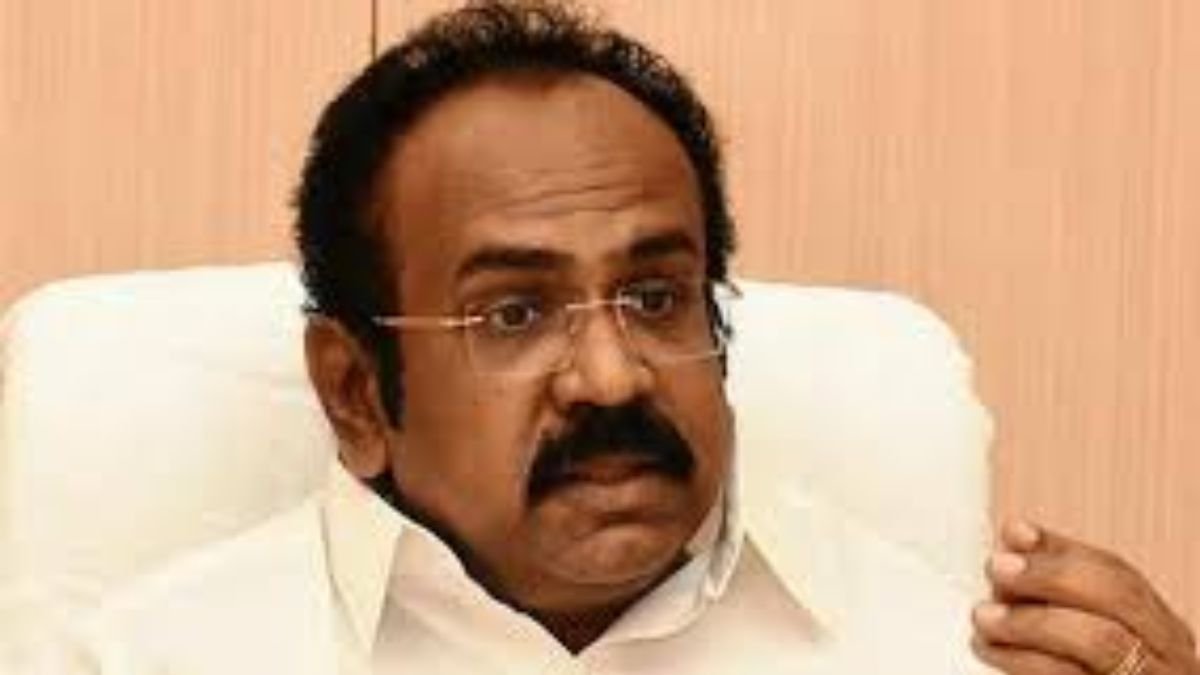
Finance Minister Thangam Thennarasu tabled the interim estimates, totalling approximately ₹1.36 lakh crore, in a special Assembly session convened ahead of the 2026 Tamil Nadu Legislative Assembly election. The budget, intended to manage government expenditure until a full budget is adopted by the incoming administration, emphasises continuity of ongoing schemes and targeted investments in key sectors.
In his address, Mr Thennarasu reaffirmed the government’s commitment to inclusive growth and social welfare, with significant allocations for school education (₹48,534 crore), health (₹22,090 crore) and rural development (₹28,687 crore). The budget also sets aside ₹1,943 crore for the MSME sector, reflecting an ongoing push to bolster entrepreneurship and job creation.
Infrastructure and transport received a boost, with ₹13,062 crore earmarked for transport and additional funds directed toward rural roads and riverfront development. Schemes aimed at supporting women and persons with disabilities received enhanced backing, including increased monthly maintenance allowances and wider reservation in government employment part of the government’s broader equity agenda.
The interim budget also highlighted cultural and knowledge initiatives, such as new museums and heritage projects across the State, as well as allocations to promote Tamil language and literature. The government noted plans for advanced technology hubs and expanded vocational training centres.
While the DMK government painted the budget as a continuation of its development priorities, it did not shy away from acknowledging economic challenges. Projections show the State’s outstanding debt could rise to approximately ₹10.7 lakh crore by March 2027, with planned borrowings of near ₹1.79 lakh crore to finance the interim estimates. Efforts to reduce the fiscal deficit remain a stated priority.
The interim budget underscores the government’s focus on sustaining welfare momentum, while navigating economic pressures and pre-poll expectations. As the State transitions into full budgeting under a new government later this year, the interim estimates are poised to shape policy trajectories in education, health, infrastructure and social welfare defining Tamil Nadu’s fiscal roadmap in a key electoral cycle.