
Voting for the 2026 Assembly elections commenced on Thursday, April 23, with polling being held in a single phase across all 234 constituencies in the state. The exercise, conducted under the supervision of the Election Commission of India, will determine the composition of the 17th Tamil Nadu Assembly, with counting of votes scheduled for May 4.
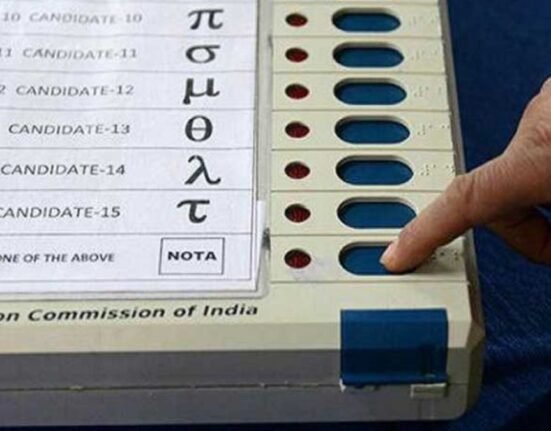
Polling began at 7:00 am and will continue until 6:00 pm, with voters casting their ballots through Electronic Voting Machines at designated polling stations spread across the state.
According to the latest Special Intensive Revision of electoral rolls, a total of 56,707,380 voters are eligible to participate in the election. This includes 27,738,925 male voters, 28,960,838 female voters, and 7,617 voters from the third gender category. The large electorate is being accommodated through 75,064 polling stations located across 33,133 polling centres, ensuring access for both urban and rural voters.
Election authorities have deployed more than three lakh polling personnel to manage the voting process, while over 83,000 police personnel have been stationed across Tamil Nadu to maintain law and order. Security arrangements have been intensified, with 3,025 locations comprising 5,049 polling booths identified as sensitive and placed under enhanced surveillance.
Officials have also established a four-tier control room system to monitor polling activities, alongside a public helpline, 1950, and dedicated mechanisms to oversee media coverage and election-related processes.
Postal voting has already recorded significant participation ahead of polling day, with 418,541 votes received from eligible categories such as service voters, senior citizens, and persons with disabilities.
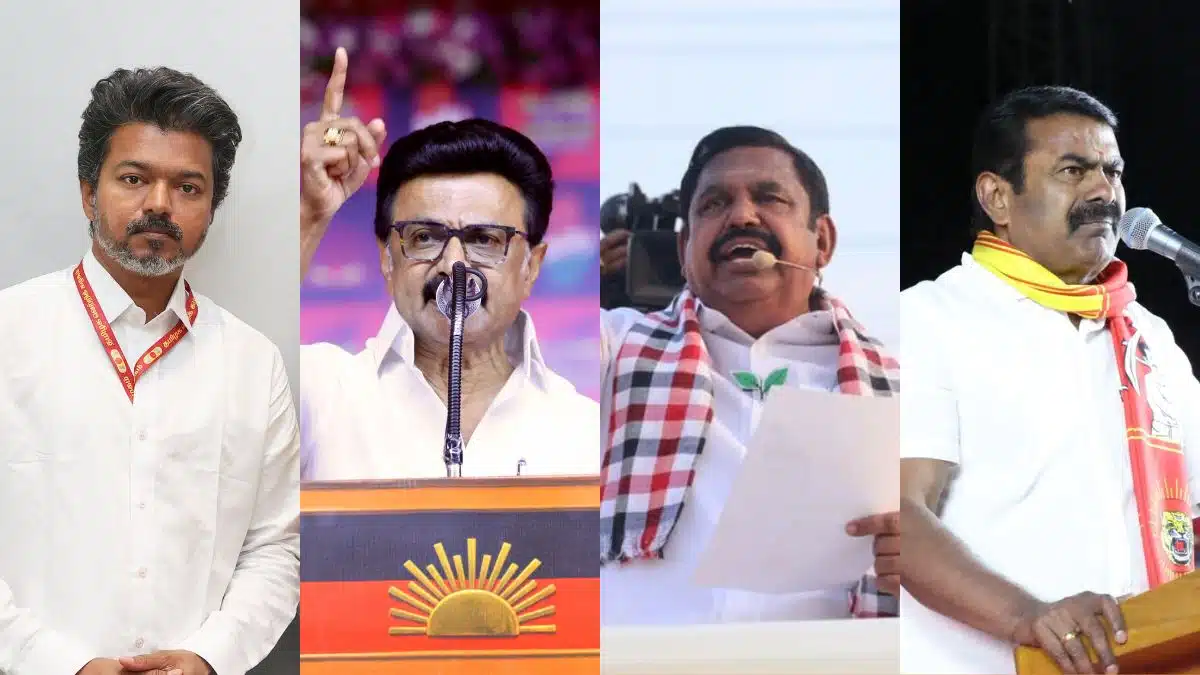
The current electoral contest follows the outcome of the previous Assembly election, in which the DMK-led Secular Progressive Alliance secured 159 out of 234 seats to form the government. M. K. Stalin was sworn in as Chief Minister following that victory. The AIADMK won 66 seats and emerged as the principal opposition, with Edappadi K. Palaniswami serving as the Leader of the Opposition.