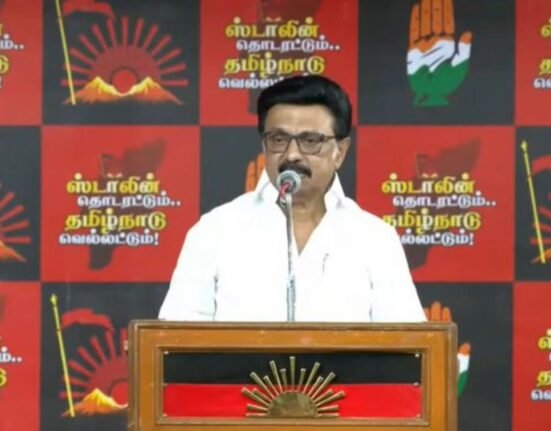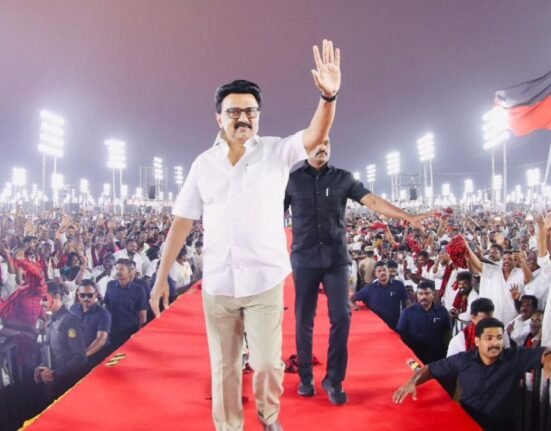

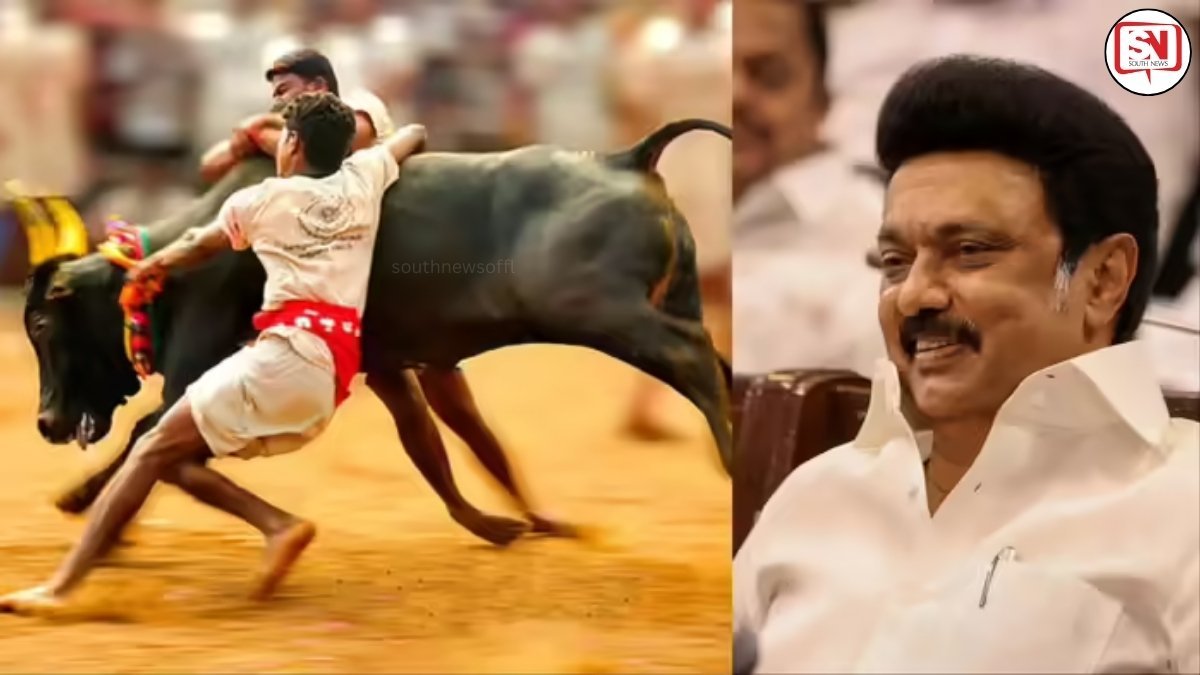
The world-famous Alanganallur Jallikattu event once again became the centre of national attention as Tamil Nadu Chief Minister M.K. Stalin inaugurated the traditional sport and made a landmark announcement that resonated strongly with the youth and rural communities of the state. Declaring that top performers who tame the highest number of bulls would be given priority for government jobs, the Chief Minister connected cultural pride with economic security and social empowerment.
Jallikattu is not merely a sport in Tamil Nadu; it is a symbol of identity, courage, heritage, and resistance. For decades, participants have risked their lives not for monetary rewards, but to uphold tradition and community honour. By linking Jallikattu performance with government job opportunities, the state government has introduced a new dimension—transforming cultural bravery into tangible career prospects.
This announcement holds special importance for rural youth, many of whom actively participate in Jallikattu despite limited employment opportunities. Government jobs in Tamil Nadu are widely viewed as stable, respected, and socially empowering. Priority access to such employment creates a strong motivational framework where traditional skills are recognised on par with academic or competitive achievements.
From a governance perspective, the policy signals inclusivity. It acknowledges that merit can be demonstrated in multiple forms—not just through examinations, but also through discipline, courage, physical endurance, and commitment to tradition. By formally recognising Jallikattu performers, the government is validating rural talent that often remains outside mainstream recognition systems.
The job priority system also acts as a protective measure. Over the years, debates around Jallikattu have often focused on safety and legality. By officially recognising performers and rewarding the best among them, the government can introduce structured participation, improved safety norms, and accountability. This reduces unregulated participation while enhancing the dignity of the sport.
Socially, the announcement strengthens the bond between governance and grassroots culture. Families that have preserved native cattle breeds and supported Jallikattu for generations see this move as long-awaited recognition. It sends a powerful message that tradition and progress can coexist, and that cultural practices need not be sidelined in modern governance.
Politically, the declaration reinforces the ruling government’s image as one that listens to people’s sentiments. Alanganallur, often described as the heart of Jallikattu, carries immense symbolic value. Announcing job priority at this very venue amplified the emotional impact and strengthened trust among supporters.
Critics may argue that employment should be strictly merit-based through examinations. However, supporters counter that this policy does not eliminate exams but provides priority consideration—similar to sports quotas, NCC reservations, or service-based preferences already present in public recruitment systems.
In the long term, the initiative may encourage disciplined training, safer participation, and greater youth involvement in regulated cultural sports. It also helps preserve indigenous cattle breeds, which are deeply connected to Jallikattu traditions.
By combining cultural respect with administrative opportunity, the government has positioned Jallikattu not just as a festival event, but as a pathway to recognition and social mobility. The announcement has already sparked widespread discussion across Tamil Nadu, especially among rural youth who see hope, dignity, and future prospects in this decision.
Ultimately, the move reflects a governance model where tradition is not treated as nostalgia, but as a living force capable of contributing to social development and youth empowerment.