
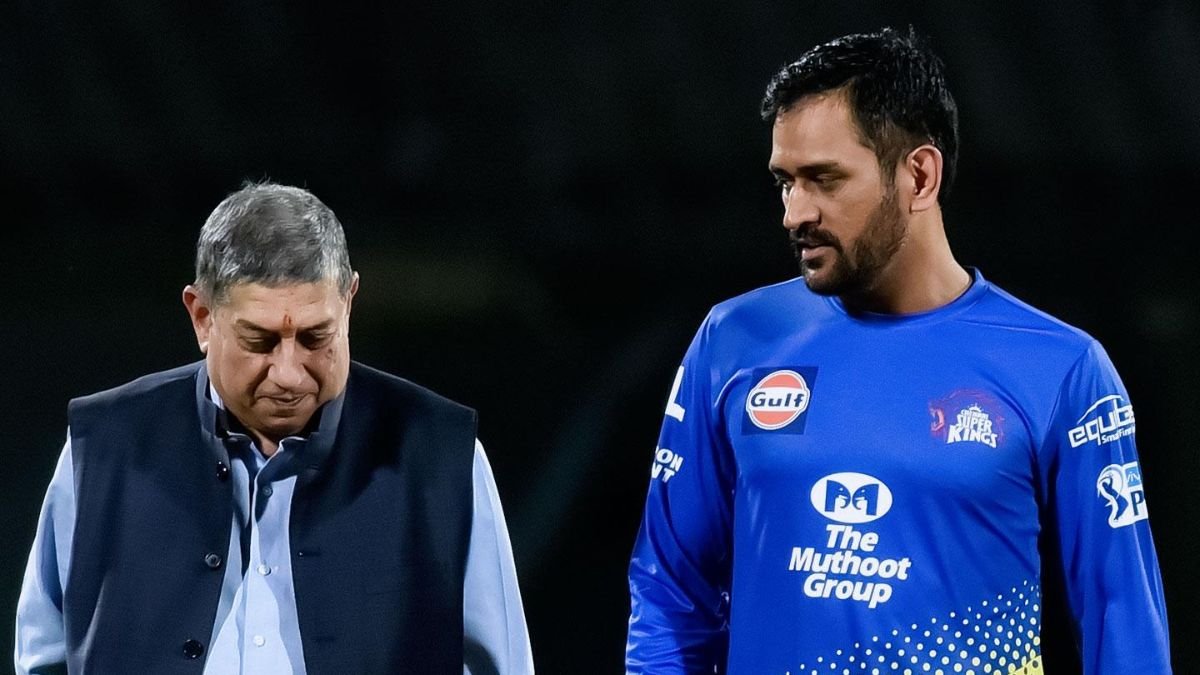
At the recently concluded Tamil Nadu Global Tourism Summit 2026 in Mamallapuram, amidst discussions on heritage, infrastructure and economic strategy, one comment from CSK CEO Kasi Viswanathan captured attention far beyond the summit halls. Known for his management role in the Chennai Super Kings franchise and long association with Mahendra Singh Dhoni, Kasi used the platform to reaffirm the brand’s intent to expand into women’s cricket, an announcement that could redefine the Women’s Premier League (WPL).
In an interview on the sidelines of the summit, Kasi outlined Chennai Super Kings’ broader vision: not merely to participate in entertainment and sports investment, but to drive community impact and competitive excellence. He described CSK as a “family first” franchise rooted in legacy, loyalty and sustained fan engagement , values he believes will be equally vital in women’s cricket. “MSD will be with CSK forever,” Kasi remarked, underlining Dhoni’s enduring influence on the brand, “and now, we want to take that ethos into women’s cricket.” “Not immediately, but certainly in the coming years, CSK will expand its footprint. Our first target will be women’s cricket. We may also go into other sports over time,” Viswanathan said when asked about the franchise’s long-term plans.
Kasi’s statement carries particular weight in a year when the WPL has completed its third season and is widely recognised as one of the fastest-growing women’s leagues globally. Since its 2023 inauguration, the WPL has expanded in reach, commercial value and competitive depth, attracting top international talent and strengthening the pipeline for Indian internationals. Franchise investment, broadcast deals and fan engagement have all trended sharply upward, signalling a maturing commercial ecosystem.
CSK’s potential entry into the WPL is more than a brand extension — it represents a strategic infusion of cricketing legacy into a league hungry for deeper investment and marquee leadership. CSK’s fan base is among the most loyal in Indian sport; a women’s team wearing the famous yellow could instantly elevate visibility, merchandising and sponsorship inflows. Kasi believes that CSK’s involvement would not only lift the franchise’s own profile but also expand the entire league’s commercial framework, encouraging other legacy IPL brands to accelerate their commitment to women’s cricket.
At present, CSK are among the IPL franchises without a women’s team. The WPL currently features five teams based in Mumbai, Bengaluru, Delhi, Gujarat and Uttar Pradesh. High-profile IPL franchises such as Chennai, Punjab Kings, Rajasthan Royals, Kolkata Knight Riders and Sunrisers Hyderabad are yet to enter the women’s league. he latest information reveals that changes will happen soon. The Board of Control for Cricket in India (BCCI) has current discussions regarding the Women’s Premier League expansion, which will result in new teams being added soon. Parth Jindal, the Delhi Capitals co-owner, explained the BCCI’s future plans for the league during the WPL auction.
Industry insiders agree that CSK’s participation could spur a fresh chapter for the WPL. Unlike some newer franchises, CSK brings decades of brand equity, a robust fan community and a track record of competitive consistency. This can translate into greater viewership, enhanced media rights valuations and deeper grassroots engagement as young women cricketers see a blue-collar, legacy franchise investing in their future.
The fans are already ahead of the management, with “Chennai Super Queens” becoming a trending moniker on social media. But beyond the name, the “CSK way” of functioning backing players for the long term and maintaining a calm dressing room atmosphere could be a boon for young female cricketers.
As the WPL evolves from a fledgling league into a global cricketing product, CSK’s entry could be the catalyst for a broader competitive transformation. Whether Yellow’s women’s side takes to the pitch in the next season remains to be seen, but the conversation has unquestionably shifted, and in favour of women’s cricket reaching the mainstream spotlight long enjoyed by its male counterpart.