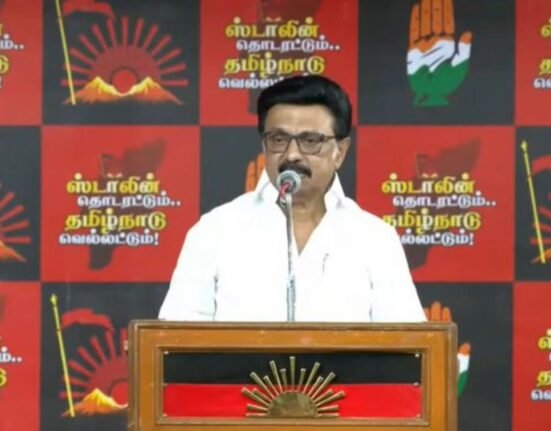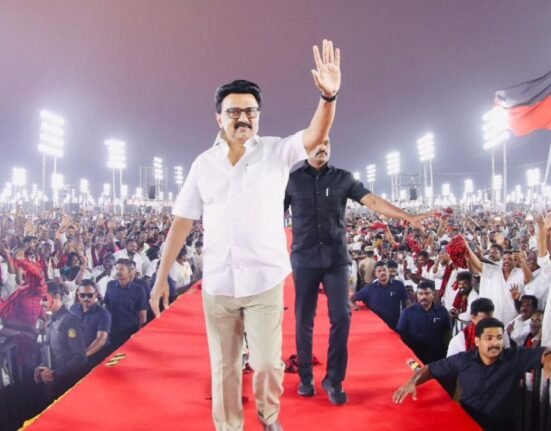

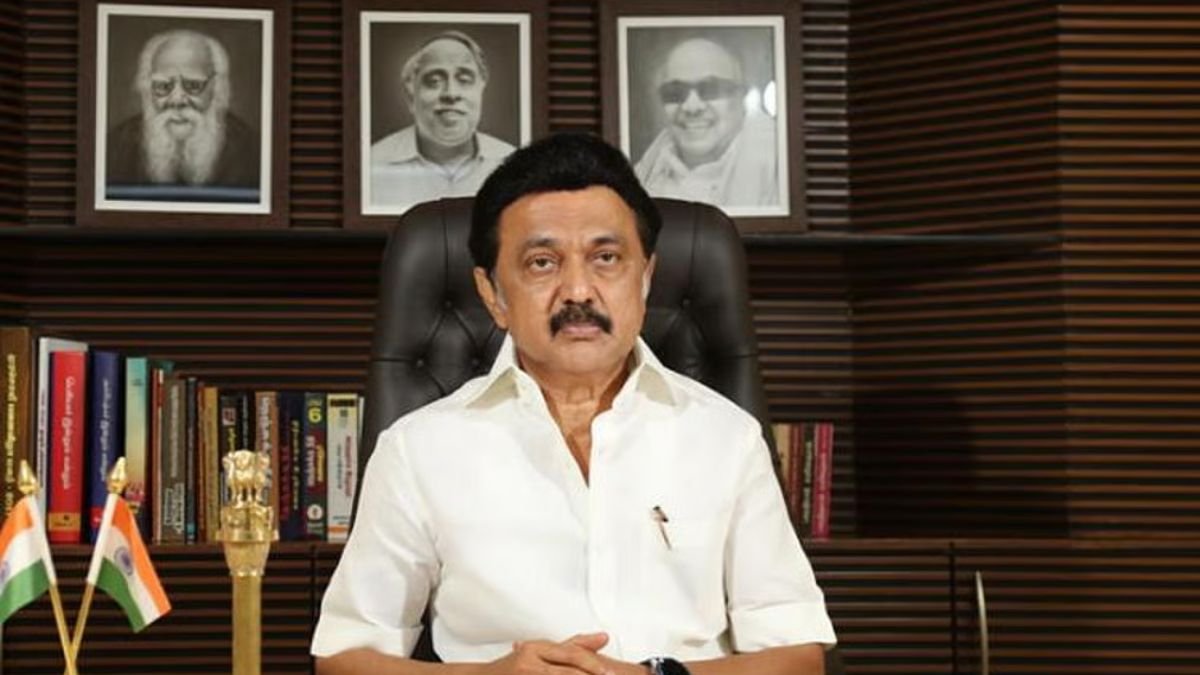
Tamil Nadu is set to witness an intense political contest in 2026 as the Dravida Munnetra Kazhagam (DMK) has unveiled its first list of candidates for the Assembly elections, with Chief Minister and DMK chief M K Stalin once again fielding himself from the Kolathur constituency. The party is contesting in 164 of the 234 seats, signalling a full‑on campaign to retain power in the state after its landslide victory in 2021.
Stalin, Udhayanidhi retain key seats
Stalin’s decision to contest from Kolathur underscores his continued focus on the Chennai–north belt, while Union Minister and DMK youth wing leader Udhayanidhi Stalin has been renominated from the Chepauk–Thiruvallikeni (Chepauk–Thiruvallikeni) segment. These two high‑profile seats are seen as symbolic anchors for the ruling alliance, with both leaders expected to spearhead the party’s outreach in the state capital.
DMK’s candidate list also includes a mix of seasoned ministers and first‑time aspirants, with the party reportedly giving tickets to over 60 new faces, even as it retains most of its sitting ministers. This blend of continuity and refreshment is aimed at balancing grassroots energy with administrative experience, especially in districts where the party faces stiff competition from the AIADMK and BJP–NDA combine.
Strategic seat distribution
The DMK claims that the seat allocation has been done to ensure satisfaction among alliance partners, with the goal of “retaining the confidence” of each constituent. Stalin told media that the party released the list a bit late but ensured it would be “the latest” and most comprehensive, reflecting internal negotiations and local‑level feedback.
The first‑phase list spans multiple regions, naming candidates in constituencies such as Kanyakumari, Nagercoil, Tirunelveli, Madurai Central and Madurai East, Thoothukudi, Tiruchirappalli West, Coimbatore South, Salem North, Vellore, Tiruvannamalai, Chengalpattu, and several Chennai–belt areas like Ambattur, Thiruvallur, Sholavaram, Tambaram, Mylapore, Saidapet, and Anna Nagar. This wide distribution reinforces the impression of a pan‑state campaign, not just a Tamil–Nadu–capital‑centric push.
Campaign and manifesto signals
Stalin also indicated that the DMK’s election manifesto will be released the following evening, setting the stage for a detailed pitch on governance, welfare schemes, and development promises. The party is expected to highlight its record on health, education, social‑welfare programmes, and industrial policy, while countering opposition attacks on issues such as inflation, unemployment and alleged central–state tensions.
For voters, the DMK’s candidate list reads as a message of both stability and renewal: an established leadership at the top, backed by a fresh wave of candidates meant to energise booths and address local grievances. As campaigning ramps up across districts, the battle will hinge not just on big names but on how effectively these new faces connect with a electorate that is watching closely for both performance and promises.