

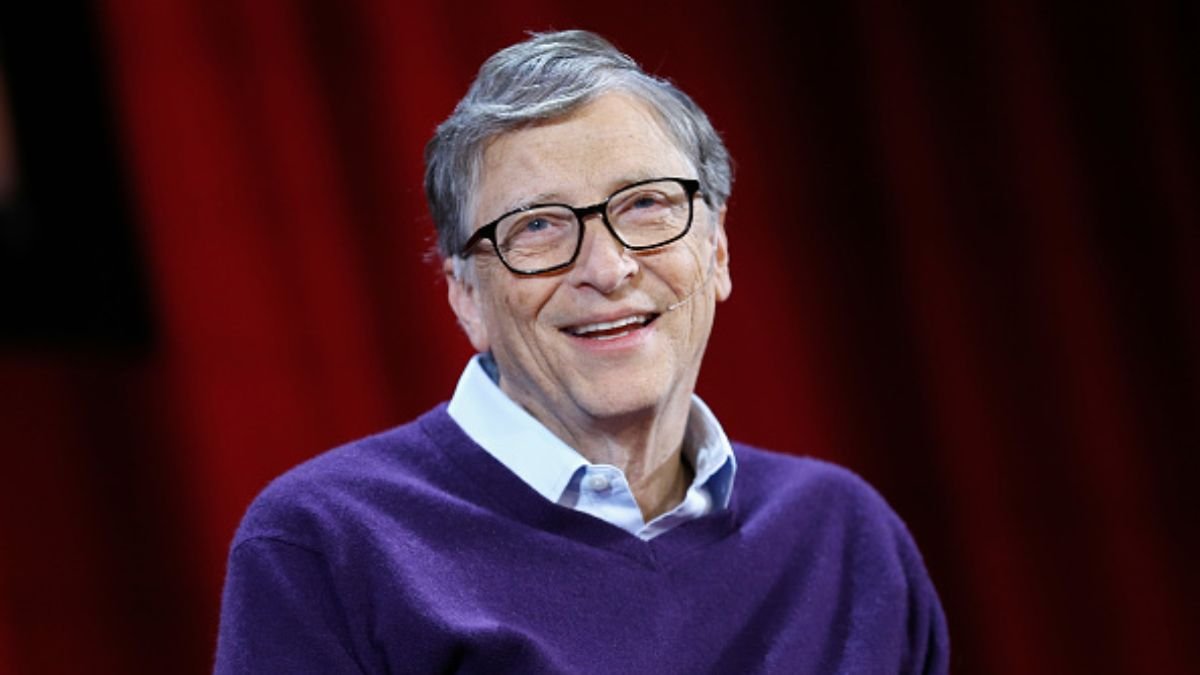
United States — Bill Gates, the Microsoft co-founder and co-chair of the Bill & Melinda Gates Foundation, has publicly apologised to his organisation’s staff for his past association with convicted sex offender Jeffrey Epstein and acknowledged personal mistakes that have drawn intense scrutiny amid revelations from newly released court documents of Epstein files.
At a town hall meeting with Gates Foundation employees, the 70-year-old philanthropist described his interactions with Epstein as a “huge mistake,” saying he should not have spent time with him or involved foundation executives in meetings. Gates reiterated that he did “nothing illicit” and denied any involvement in Epstein’s crimes, emphasising that he never spent time with Epstein’s victims.
Bill Gates also admitted that he had two extramarital affairs with Russian women during his marriage to Melinda Gates. According to Bill Gates, one was with a Russian bridge player he met through competitive events and the other with a Russian nuclear physicist encountered through business activities. He stressed that neither woman was connected to Epstein’s criminal network.
Gates acknowledged that his association with Epstein has had reputational repercussions for the foundation, which is one of the world’s largest funders of global health, education and poverty-alleviation programmes. He said he regretted how his interactions, which began in 2011 years after Epstein’s 2008 conviction for soliciting a minor for prostitution have affected colleagues and partners. Gates also discussed how his then-wife Melinda had raised concerns about Epstein’s involvement as early as 2013.
The disclosures come in the wake of thousands of pages of documents released by the U.S. Department of Justice, which include redacted images and communications connected to Epstein’s estate, prompting fresh debate over how powerful figures engaged with him. Gates’s apology is seen as an attempt to address those concerns internally and publicly, even as he maintains that the meetings were tied to philanthropic discussions rather than illicit conduct.
While Gates’s clarification may help assuage fears within the nonprofit sector, the episode has reverberated beyond philanthropy, touching on broader questions about accountability, personal conduct and the responsibilities of global public figures whose actions can influence institutional credibility.