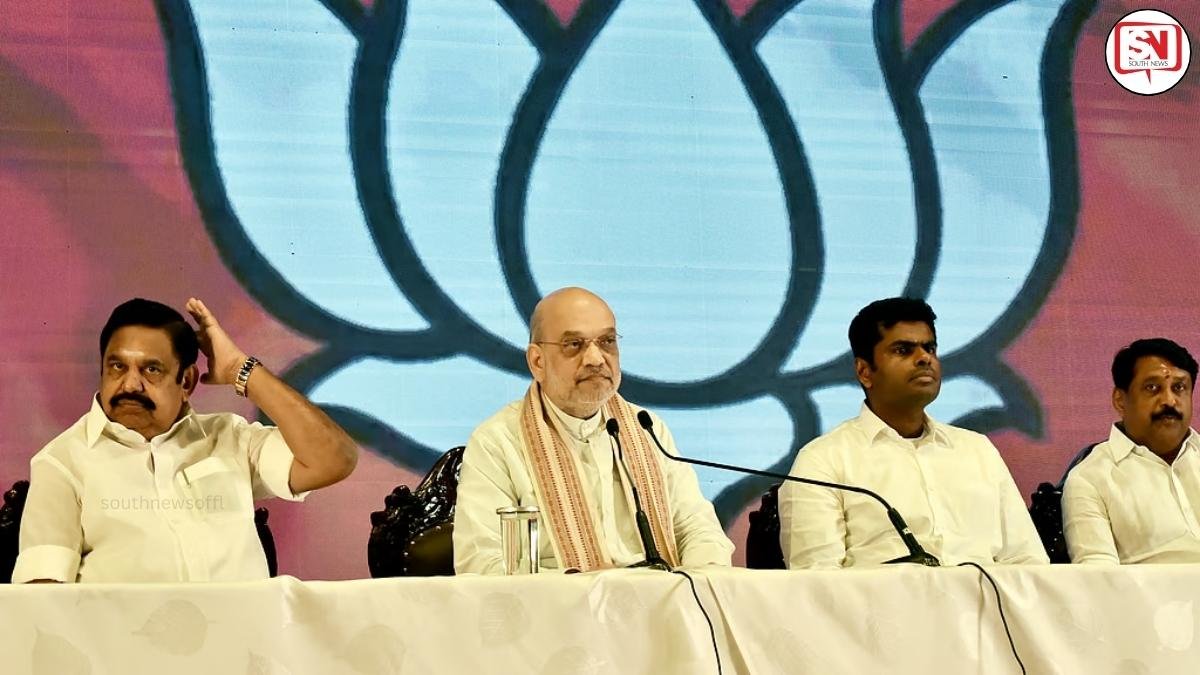
The political equation between the Bharatiya Janata Party (BJP) and the AIADMK has once again entered a turbulent phase, with fresh controversies emerging over seat-sharing demands ahead of the upcoming elections. What was earlier projected as a tactical alliance is now facing visible strain, as the BJP is reportedly pushing for a greater number of constituencies—particularly those where the AIADMK enjoys a strong vote base and a proven record of electoral success.
According to political observers, the BJP’s latest demands have caused considerable discomfort within the AIADMK leadership. Many of the constituencies being sought by the BJP are not marginal seats, but core AIADMK strongholds built over decades through grassroots work, cadre mobilisation, and consistent voter loyalty. These seats are widely seen as the backbone of the AIADMK’s electoral strength, making the demand a sensitive and contentious issue.
AIADMK cadres on the ground are said to be increasingly unhappy with the developments. For party workers who have spent years strengthening the organisation at the booth and village level, the idea of surrendering winnable seats to an alliance partner has triggered frustration and disappointment. Several cadres believe that the BJP, which has limited independent vote strength in many parts of Tamil Nadu, is attempting to leverage the alliance to gain entry into constituencies where it would otherwise struggle to make an impact.
This growing resentment has begun to reflect in internal discussions within the AIADMK. While the leadership has maintained a measured public stance, party insiders suggest that there is unease over how the alliance dynamics are evolving. The perception among cadres is that the BJP’s aggressive bargaining is undermining the AIADMK’s political identity and long-standing voter relationships.
The controversy has also reignited debates about the balance of power within the alliance. Critics argue that an alliance should be based on mutual benefit and realistic electoral strengths, not disproportionate demands. By insisting on seats where the AIADMK traditionally dominates, the BJP risks being seen as overreaching, which could further alienate AIADMK supporters at the grassroots level.
Political analysts point out that alliances in Tamil Nadu have historically been sensitive to cadre sentiment. Unlike purely leadership-driven arrangements, the success of any coalition often depends on how well party workers accept and support the alliance on the ground. In this context, the visible disappointment among AIADMK cadres could pose a serious challenge if not addressed carefully.
The ongoing deadlock has also fueled speculation about the future of the AIADMK-BJP partnership. While both parties publicly stress the importance of unity against political rivals, the seat-sharing dispute has exposed underlying trust issues. If unresolved, it could weaken campaign coordination, voter mobilisation, and overall electoral performance.
For now, the controversy continues to dominate political discussions in Tamil Nadu. Whether the leaderships of both parties can arrive at a compromise that respects ground realities remains to be seen. What is clear, however, is that the BJP’s demand for AIADMK stronghold seats has not only intensified tensions at the top but has also created visible discontent among AIADMK cadres—adding a new layer of uncertainty to the state’s already complex political landscape.