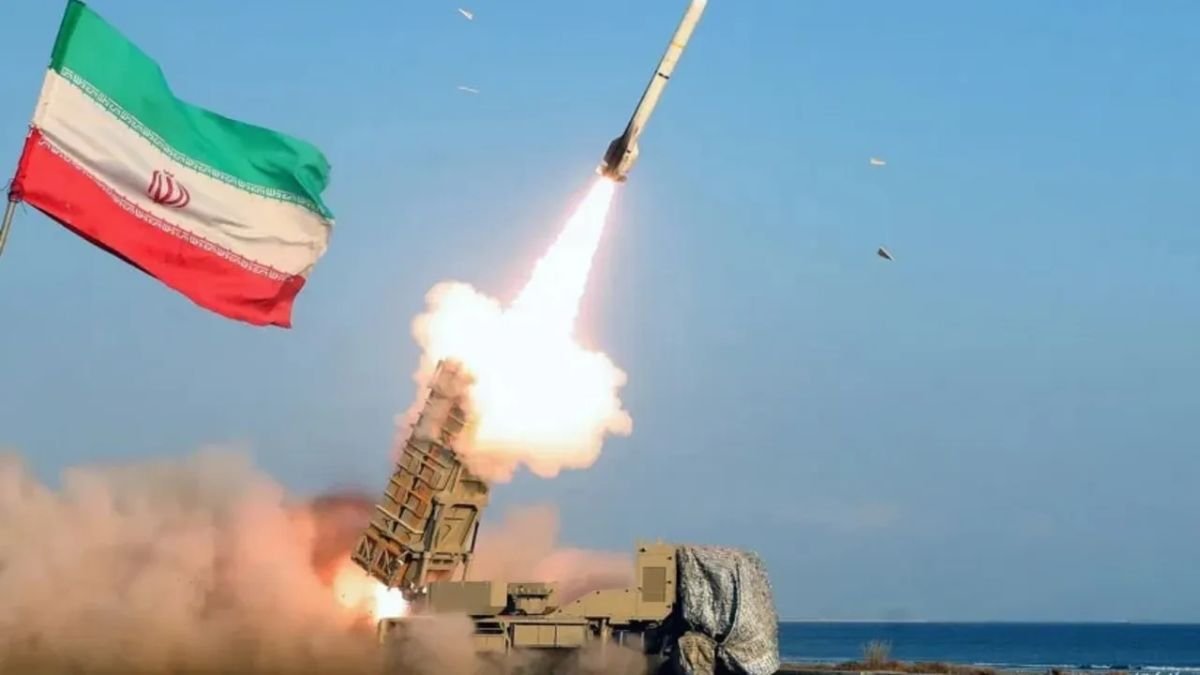
A dangerous escalation in the Middle East conflict erupted today as Iran launched ballistic missiles into Israeli territory following a coordinated military operation by the United States and Israel against targets inside Iranian-controlled areas. The rapid intensification of hostilities has triggered nationwide alerts in Israel, heightened global diplomatic concern, and raised fears of a wider conflagration involving multiple regional actors.
According to defence and intelligence sources, the initial joint US–Israeli operation targeted facilities linked to Iran’s military infrastructure in retaliation for suspected threats posed by Tehran-aligned forces. Although details of the precise locations and damage assessments remain classified, official statements from Washington and Jerusalem framed the strikes as a necessary pre-emptive response to destabilising actions attributed to Iranian command units.
In a dramatic response, Iranian forces reportedly fired a barrage of ballistic missiles across its western border, some of which landed in open areas within Israeli territory. The Israeli government immediately issued nationwide red alerts, warning civilians to seek shelter amid fears of additional missile barrages. There have been early reports of infrastructure damage in some border regions, but authorities have not yet confirmed large-scale casualties.
Iranian state media characterised the retaliatory missile launch as a direct response to what it termed “illegal foreign aggression,” asserting Tehran’s willingness to defend its territorial integrity and allies in the region. The rhetoric from Tehran was hard-line, emphasising sovereignty and resistance to external intervention.
Israeli Defence Forces released statements indicating that missile defence systems were activated and intercepted several incoming threats, while rapid response units mobilised to secure key installations.
The United States, which coordinated the initial strikes with Israel, has affirmed its commitment to stability in the region. In comments from Washington, senior officials emphasised that any further escalation could risk broader conflict involving other state and non-state actors, and called on Iran to de-escalate tensions through diplomatic channels rather than military confrontation.
Global leaders and international organisations, including the United Nations, expressed urgent concern. A spokesperson for the U.N. Secretary-General called for all parties to exercise restraint and return to diplomatic engagement, warning that continued escalation could rapidly engulf neighbouring countries and disrupt regional economies.
Analysts say the current flare-up reflects deeper unresolved tensions between Iran and Israel, which have collided repeatedly over proxy conflicts in Syria, Yemen and Lebanon, as well as Iran’s contentious nuclear programme. The involvement of the United States a longstanding security partner of Israel further complicates the strategic calculus and increases the risk of unintended escalation.
As of now, the situation remains highly volatile. Military and diplomatic channels are reportedly active behind the scenes, with several capitals urging de-escalation. But after ballistic missiles crossed national borders and major powers engaged in military action, the crisis underscores how a single military exchange can quickly spiral into a broader confrontation with global implications.