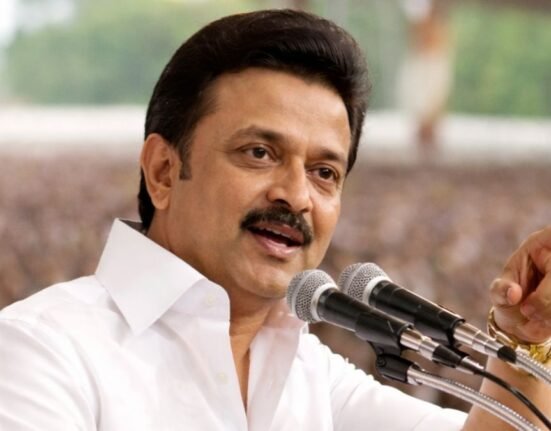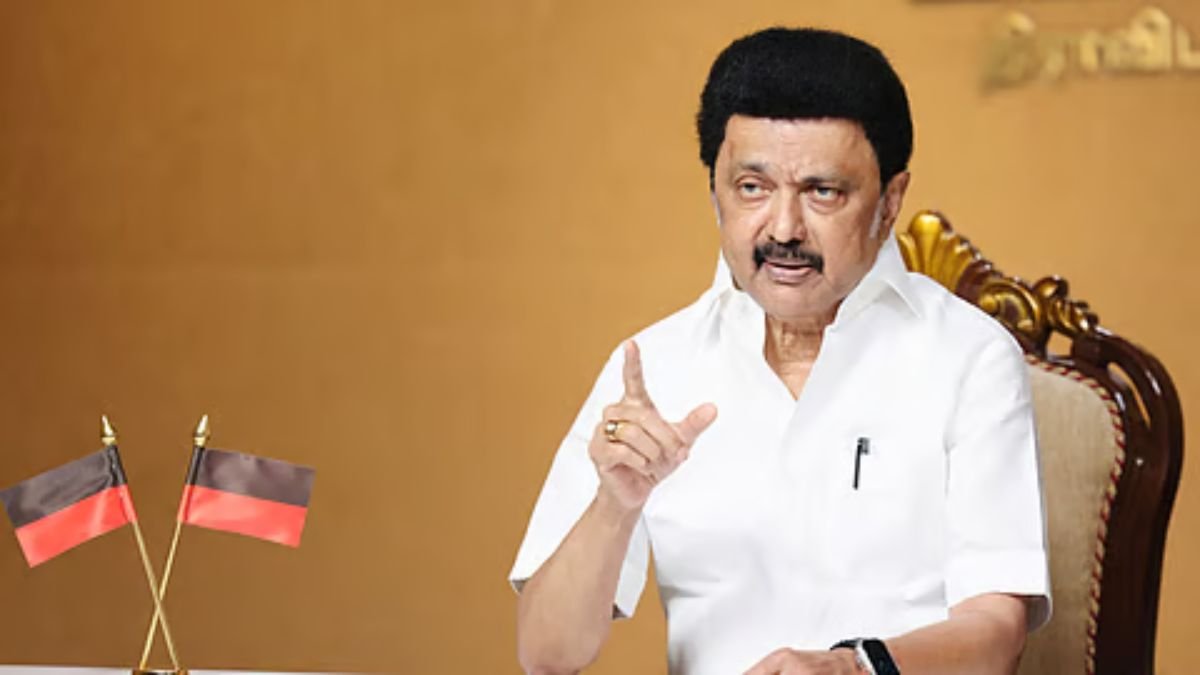
Chennai — With the 2026 Tamil Nadu Assembly elections nearing, Chief Minister MK Stalin has intensified his criticism of the Bharatiya Janata Party (BJP) led Union government, accusing it of misusing central agencies for political targeting and espousing an “anti-Tamil stance” aimed at undermining regional leaders and institutions.
In a series of forceful addresses this week, Stalin charged that the Centre has repeatedly resorted to what he characterised as “weaponisation of central investigative agencies” to harass and intimidate political opponents a practice he said is antithetical to democratic norms. “Have some shame,” Stalin said in a direct rebuke to Prime Minister Narendra Modi’s government, asserting that the misuse of law-enforcement mechanisms for perceived political gain undermines India’s constitutional fabric.
The Chief Minister’s comments came amid heightened tensions between the DMK and the BJP over recent enforcement actions and investigations involving regional leaders, NGO figures and state officials. Stalin argued that such actions reflect a pattern of selective targeting that disproportionately affects Tamil Nadu’s political ecosystem and reflects a deeper bias against the State’s leadership.
Stalin also accused the BJP of attempting to deflect Tamil public sentiment through orchestrated displays of applause for late AIADMK leader J. Jayalalithaa, asserting that superficial gestures cannot mask what he described as the Centre’s unfriendly posture toward Tamil aspirations. “Attempts to hide an anti-Tamil stance with fake applause fail the people of Tamil Nadu,” he said, underlining a disconnect he perceives between the BJP’s actions and Tamil Nadu’s cultural and political priorities.
In a broader attack on the BJP and its allies, Stalin criticised proposals to impose what he called a “Delhi formula” in Tamil Nadu a reference to governance models and political strategies associated with the national government that he argued are incompatible with the State’s socio-political context. He accused the BJP and its allies, including the AIADMK, of pursuing a centralised agenda that marginalises regional voices and local governance traditions.
Stalin went further in articulating the DMK’s electoral outlook, stating unequivocally that his party and its allies would “never bow down before the BJP.” He predicted that the NDA would suffer a “flash defeat” in Tamil Nadu, framing his remarks as a confident forecast rather than mere political rhetoric. “We will not be cowed down by intimidation or administrative pressure,” he said at a public meeting, asserting that the people of the State would uphold democratic values at the ballot box.
By highlighting perceived grievances involving central institutions and enforcement bodies, Stalin is attempting to position his party as a defender of regional interests against what he portrays as undue interference from the Centre.
Opposition parties allied with the BJP have rejected Stalin’s charges, with BJP spokespeople asserting that investigations and enforcement actions are conducted strictly within the ambit of law and without political bias. They accused the DMK of conflating legitimate inquiries with political vendettas and of using emotive language to distract from governance concerns at the State level.
As the election campaign deepens, Stalin’s assertions of Centre-State conflict and alleged anti-Tamil motives by national leadership are likely to resonate with sections of the electorate sensitive to regional pride and political autonomy themes that have long shaped Tamil Nadu’s political narrative.