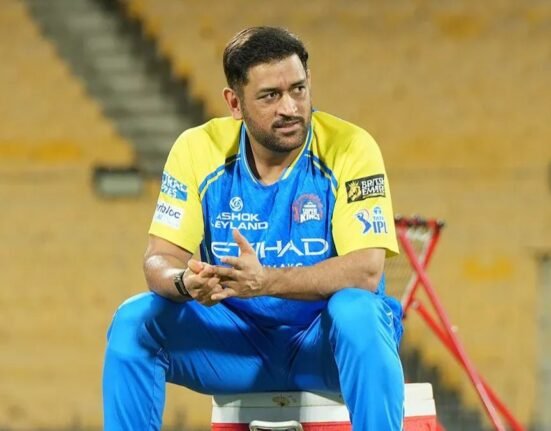

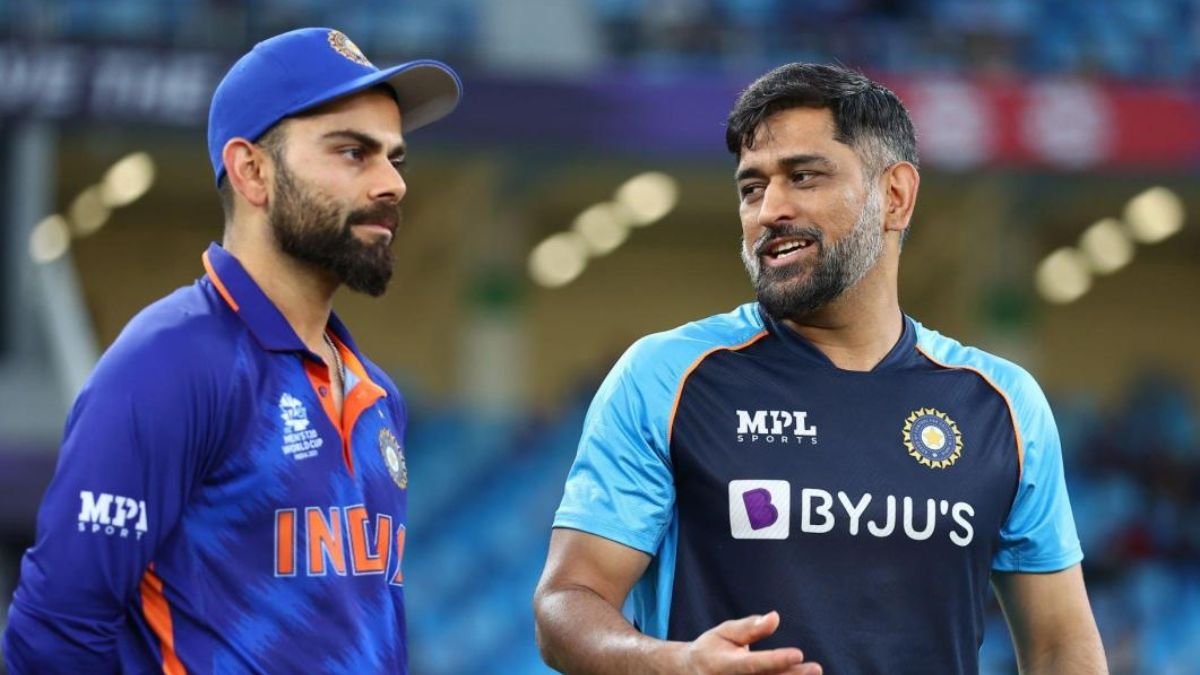
Few voices in Indian cricket carry the weight of MS Dhoni, and in a wide-ranging, characteristically candid interaction, the former India captain touched upon everything from selection debates and World Cup ambitions to commentary offers, cricketing conditions and his own personality away from the spotlight. A legend of the game and an iconic captain, Dhoni led India to one ODI (2011) and one T20I World Cup (2007) title each. Under his captaincy, India won the 2013 ICC Champions Trophy. He has also won five IPL titles with Chennai Super Kings.
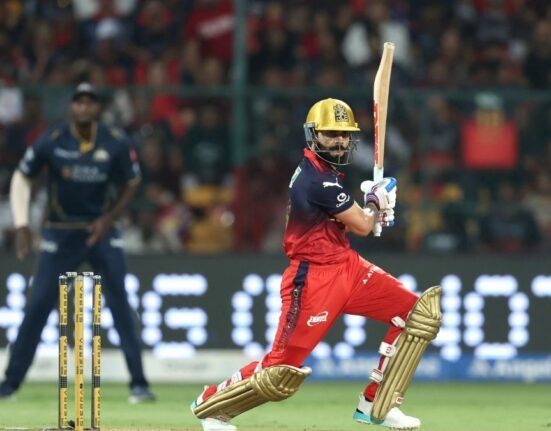
At the heart of conversation of ‘Thala’ Dhoni with broadcaster Jatin Sapru during the opening of Superkings academy at MS Dhoni Global School in Hosur, was a firm defence of Rohit Sharma and Virat Kohli, both of whom have faced questions about age and long-term plans. Dhoni dismissed the idea that age should be a deciding factor, arguing that performance and fitness must remain the only benchmarks. “If someone is contributing and hungry for runs, why should age matter?” he said, adding that both Rohit and Kohli have every right to chase the 2027 ODI World Cup if they continue to deliver. At the same time, Dhoni acknowledged the selectors’ prerogative, noting pragmatically that in elite sport, “you can be dropped any day”, a reality every cricketer must accept.
Turning his attention to the 2026 T20 World Cup, Dhoni identified India as a “dangerous side” but sounded a note of caution about conditions at home. He singled out the dew factor as a potential match-deciding element, warning that evening games could tilt heavily in favour of teams chasing. In Indian conditions, he observed, captains and bowlers may find themselves battling not just opponents but a slippery ball and reduced control a factor that could influence team strategies and selections. Dhoni explained that heavy dew can neutralise bowling strategies and shift match momentum, making the toss ever more crucial. He also mentioned that dew was the thing he hated while captaining India.
Dhoni also addressed a question fans have long asked: why he has stayed away from commentary despite frequent offers. With trademark honesty, he admitted he is “not good with stats” and does not enjoy speaking at length. “I’m a very awkward guy,” Dhoni said, explaining that even phone calls make him uncomfortable. Commentary, he suggested, requires a certain fluency and analytical style that does not come naturally to him, and he prefers to remain close to the game in quieter, less performative ways.
On his love and inspiration for Sachin, Dhoni quoted “Growing up, it was Sachin Tendulkar – once I made my debut, my biggest motivation was representing the country – once I left International cricket, whatever I am playing now, that motivation is love for the cricket – whatever I have achieved in my life, where I am today, it’s because of cricket”.
Dhoni reflected on his career and life philosophy briefly by saying, “One of my favorite saying is, in my career, nobody can add even one run from what I have scored or deduct even one run from what I have scored so, whatever it is, people may like it, may not like it but the fact is that is something that happened and I’m very thankful, for all the teammates that I have played with and all the people who guided me through it”.
In a rare personal reflection, Dhoni spoke briefly about life beyond cricket, describing himself as a simple person who values privacy and balance. He said being a husband has grounded him, helping him switch off from the relentless demands of professional sport. Domestic life, he hinted, offers a normalcy that cricket rarely allows something he consciously protects.
Measured, unflashy and rooted in experience, Dhoni’s comments offered insight into both the evolving landscape of Indian cricket and the man who once led it with calm authority. Even in retirement, his words continue to shape conversations not through noise, but through perspective.