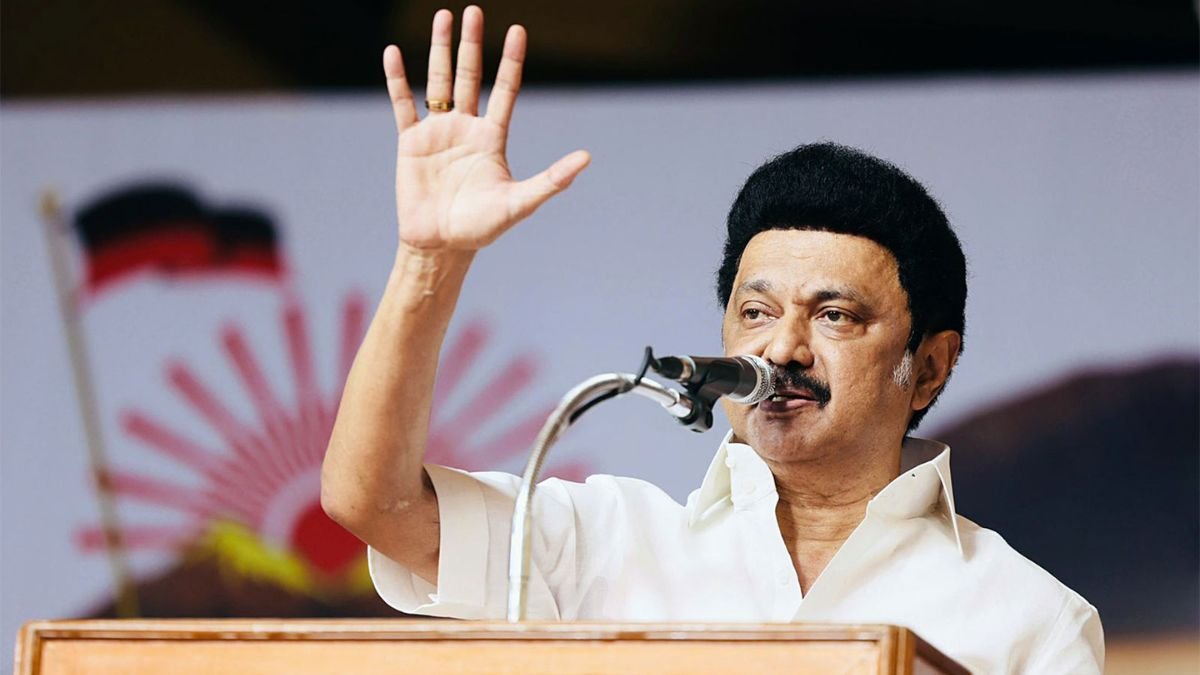
Chennai — Tamil Nadu Chief Minister M.K. Stalin has once again placed the issue of permanent citizenship for Sri Lankan Tamils at the forefront of his administration’s humanitarian and diplomatic agenda. Mr Stalin reaffirmed his commitment to advocating for a clear and enduring legal status for Sri Lankan Tamil refugees and their descendants residing in India.
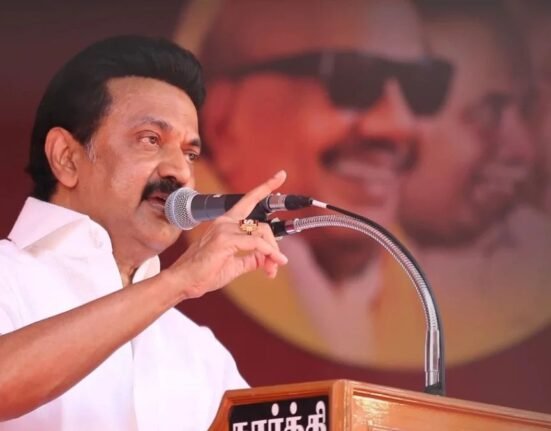
Addressing a gathering of party workers and refugee advocates in Chennai, the Chief Minister reiterated that the plight of Sri Lankan Tamils many of whom fled decades of civil conflict remains a significant moral concern for the State government. “Our struggle is not merely for temporary shelter or relief,” he said. “We will continue to press at all relevant forums for permanent citizenship rights for Sri Lankan Tamils who have made Tamil Nadu their home.”
Mr Stalin’s remarks come amid ongoing discussions among civil society groups, diaspora organisations and policymakers about the legal status of refugees who have lived in India for years some spanning generations without access to full citizenship rights. Statelessness, limited access to government services, and periodic uncertainty about long-term residency rights have posed persistent challenges for these communities.
The Chief Minister emphasised that Tamil Nadu’s drive for citizenship reform is rooted in principles of justice, dignity and cultural affinity, citing historical links between Tamil Nadu and the Tamil population of Sri Lanka. “We share language, heritage and kinship,” Mr Stalin said. “It is incumbent upon us and the Centre to ensure that those who have contributed to our society are not left in limbo.”
In recent months, the issue has been raised repeatedly in political forums and public discourse, with several Members of Parliament and civil rights activists urging the Union government to consider legal pathways for citizenship that accommodate refugees who meet residency and integration criteria. While immigration and citizenship fall under the exclusive jurisdiction of Parliament, Mr Stalin has sought to align State-level advocacy with efforts to build broader consensus at the national level.
Tamil Nadu’s records indicate that tens of thousands of Sri Lankan Tamils reside in the State, many involved in education, healthcare, small business and informal sectors. For families who have lived in India for decades, the lack of secure citizenship status has implications for access to government employment, social welfare schemes, and inter-state mobility.
The Chief Minister also pledged continued engagement with national authorities, including the Ministry of Home Affairs and the Ministry of External Affairs, to explore legal frameworks that can provide “permanent, dignified and rights-based solutions” for Sri Lankan Tamil residents. He also appealed to civil society and the diaspora to support inclusive dialogue on the issue.
As the State positions itself as a persistent voice for refugee rights, the call for permanent citizenship for Sri Lankan Tamils is likely to remain a defining theme in political and social discourse, reinforcing Tamil Nadu’s long-standing role in championing cultural solidarity and human dignity.