
Cyclone Ditva has brought unprecedented destruction to Sri Lanka, turning several regions into flood-hit disaster zones. The cyclone’s heavy rainfall, violent winds, and overflowing rivers have created one of the worst natural calamities the country has witnessed in recent years.
According to updated assessments, more than 120 people have lost their lives, while over a hundred remain missing as rescue teams continue search operations. Homes, roads, bridges, shops, and vital public infrastructure have been severely damaged, leaving thousands of families without shelter or basic necessities.
Widespread Flooding & Structural Damage
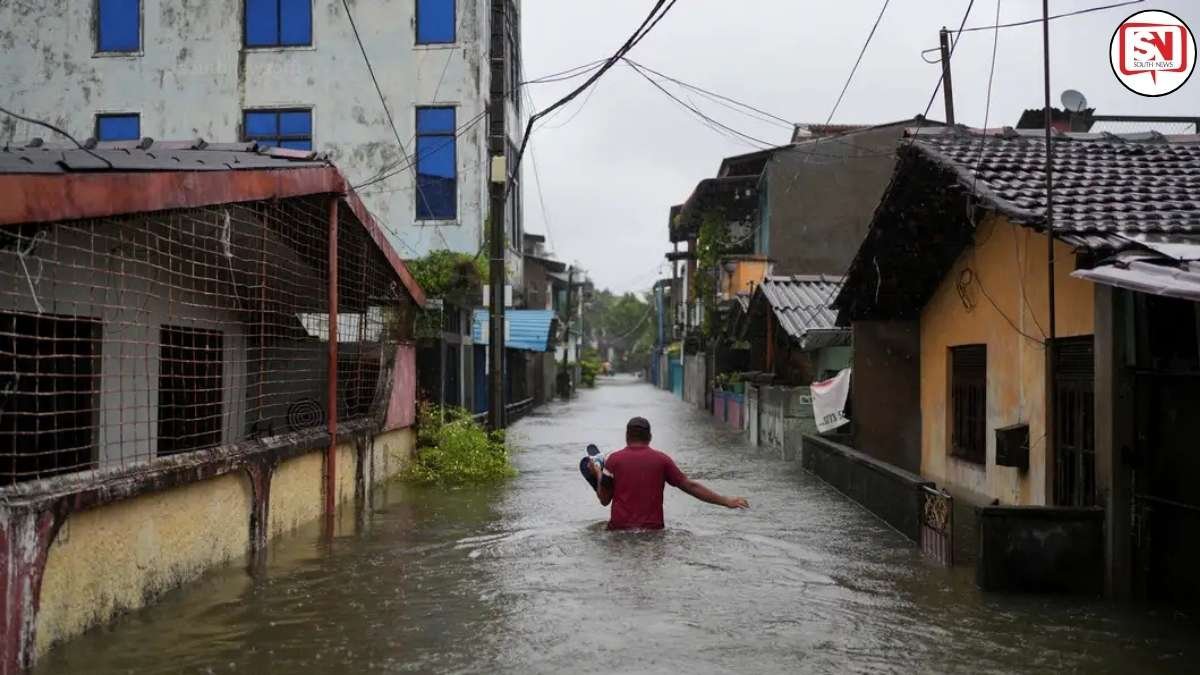
The cyclone triggered continuous, intense rainfall that submerged entire neighborhoods. Many districts recorded water levels rising above chest height, making several areas accessible only by boats. Rapid flooding has washed away vehicles, uprooted trees, and caused extensive property damage.
Public transportation also came to a standstill as roads cracked, electricity poles collapsed, and rail tracks remained underwater. Power outages affected numerous cities, causing further distress among residents.
Families Displaced & Missing Persons
Thousands of families have been forced to evacuate their homes and relocate to temporary shelters. Many people were separated from their families during the floods, and search operations are ongoing to trace those missing. Relief camps are currently providing refuge, food, and medical assistance to displaced residents.
Strong Winds Add to the Destruction
Wind speeds near 90 km/h battered multiple regions, tearing off rooftops, damaging buildings, and destroying small shops and farmland. The combination of powerful winds and continuous rain has heightened the risk of landslides in hill-country areas.
Rescue & Relief Efforts Underway
Sri Lanka’s armed forces, police, and emergency response teams have been deployed to carry out rescue missions. Teams are using boats, helicopters, and special equipment to move people trapped in flooded houses. Volunteers and humanitarian groups are distributing essentials like drinking water, medicine, food supplies, clothing, and emergency kits.
Authorities are also working to restore electricity, reconnect damaged roads, and provide long-term support for affected families.
Economic Impact & Long-Term Challenges
Cyclone Ditva has left behind severe economic damage. Farmlands, fishing communities, small businesses, and local markets have suffered heavy losses. Rebuilding homes and infrastructure is expected to take months, if not longer.
Environmental experts have warned that rising water levels and unstable soil may lead to further landslides, making certain regions unsafe for immediate return.