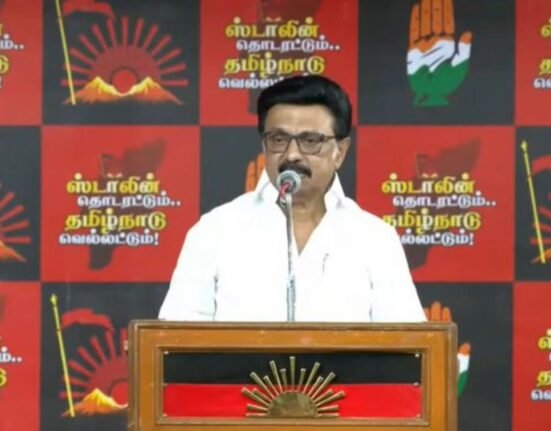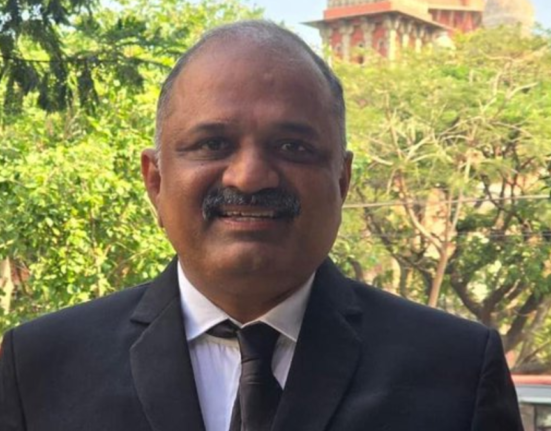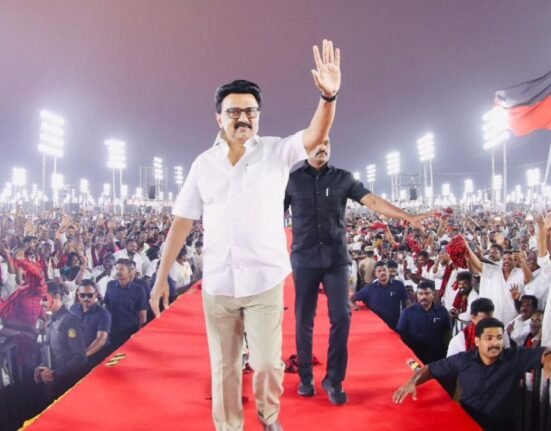

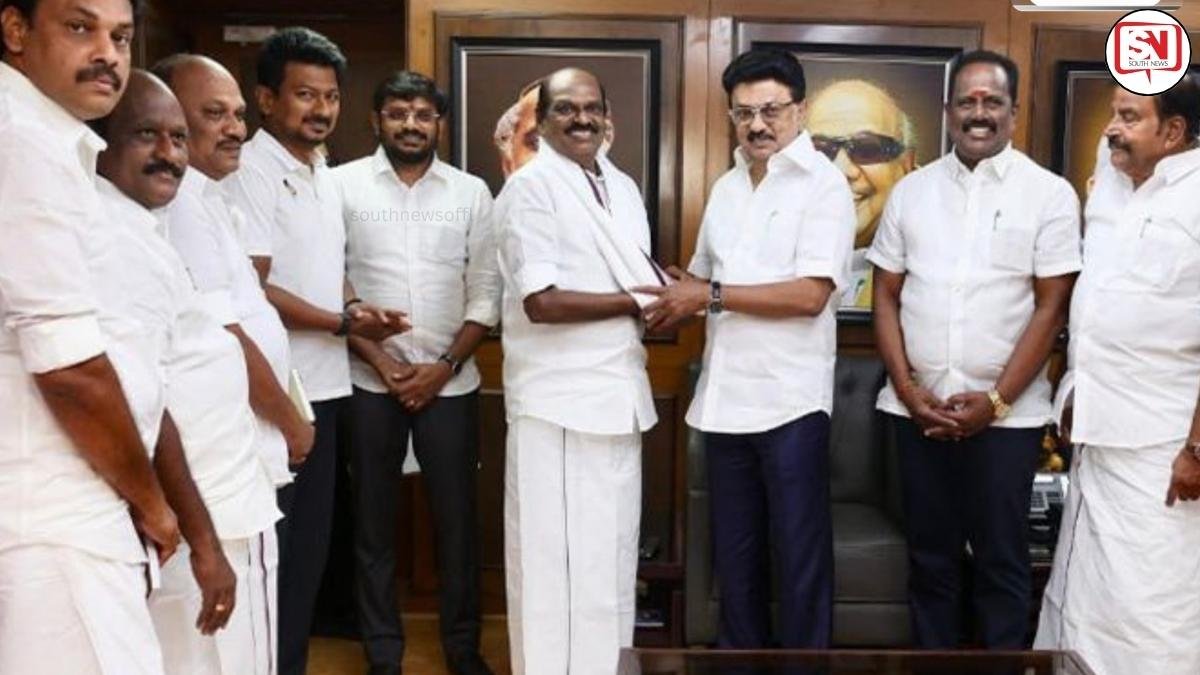
In a significant political development that could reshape the power dynamics in Tamil Nadu politics, former AIADMK minister and senior leader Vaithilingam has officially joined the Dravida Munnetra Kazhagam (DMK). The move, announced at Anna Arivalayam in the presence of DMK President and Chief Minister M.K. Stalin, has sent strong signals across the political spectrum, especially within the AIADMK ranks.
Vaithilingam is widely regarded as a seasoned political operator with deep grassroots influence, particularly in the delta and southern regions of Tamil Nadu. Having served as a cabinet minister during the AIADMK regime, he built a reputation as a strong administrator and a leader who maintained close connections with party cadres and local functionaries. His resignation from the Orathanadu Assembly constituency and subsequent entry into the DMK marks not just a personal political shift, but a strategic gain for the ruling party.
What makes Vaithilingam’s move particularly impactful is his organizational strength. Over the years, he has nurtured a loyal support base at the booth and district levels. Many local leaders and workers who have aligned themselves with him are now expected to reconsider their political positions. This could potentially weaken AIADMK’s traditional vote bank in several key constituencies, while simultaneously strengthening DMK’s reach in regions where electoral margins are often narrow.
Political observers believe that Vaithilingam’s entry into the DMK is likely to have immediate and long-term implications. In the short term, it boosts the morale of DMK cadres ahead of upcoming electoral battles. It also reinforces the perception that influential leaders are gravitating toward the ruling party, further consolidating DMK’s position as the dominant political force in the state.
From a strategic standpoint, Vaithilingam brings with him administrative experience, electoral insights, and the ability to mobilize support during campaigns. His understanding of AIADMK’s internal functioning and regional strengths could provide DMK with a tactical advantage in countering opposition strategies. Such insider knowledge often plays a crucial role during closely contested elections.
Within the AIADMK, Vaithilingam’s exit is being viewed as a major setback. Party workers have reportedly expressed disappointment and concern, as his departure exposes cracks in the party’s leadership structure. The loss of a senior leader who commanded respect across factions could further intensify internal challenges for the opposition party.
For the DMK leadership, this development aligns with Chief Minister M.K. Stalin’s broader political approach of strengthening the party through inclusivity and experience-driven leadership. By welcoming seasoned leaders from rival parties, the DMK appears to be reinforcing its long-term electoral strategy while expanding its influence across regions.
Looking ahead, Vaithilingam’s role within the DMK will be closely watched. Whether he is assigned organizational responsibilities, electoral coordination roles, or advisory positions, his presence is expected to add value to the party’s decision-making process. His entry could also encourage other dissatisfied leaders from rival parties to consider similar moves, potentially triggering a ripple effect in Tamil Nadu politics.
Overall, Vaithilingam joining the DMK is more than a symbolic shift—it represents a calculated political realignment with the potential to influence voter sentiment, party structures, and future election outcomes in the state.