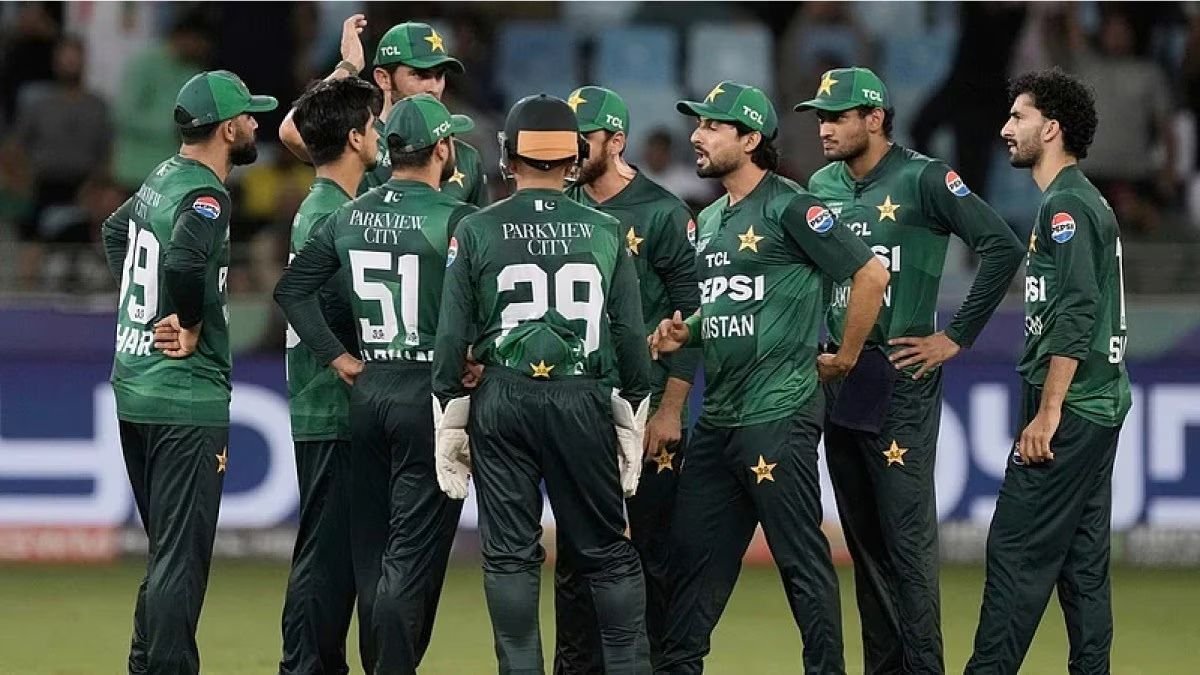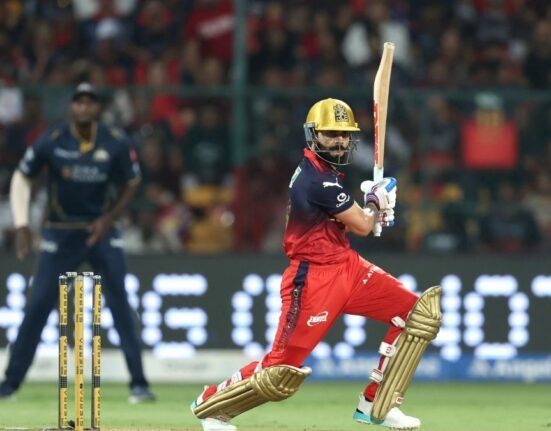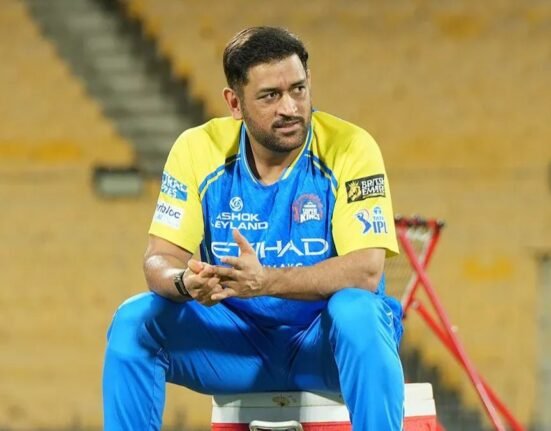

In modern cricket, no single event carries more financial weight than an India – Pakistan T20. Strip away the rivalry and emotion, and what remains is a commercial asset conservatively valued at USD 500 million (Rs 4,500 crore), a figure that aggregates broadcast rights, premium advertising, sponsorship integrations, ticketing, and downstream activity, including regulated betting. For broadcasters, this fixture is irreplaceable. A 10 second advertising slot during the match routinely sells for Rs 25–40 lakh, outperforming even India’s knockout appearances against other top-tier opponents. Remove this contest and the tournament’s revenue logic visibly bends.
The first fault line appears at the broadcast level. Advertising revenue from this single match is estimated at Rs 300 crore. Media rights are priced on predictability, not improvisation.
Jio Star has already sought compensation from the ICC, and the absence of this match materially strengthens that position. Internally, each World Cup fixture is valued at approximately Rs 138.7 crore.
Once broadcasters seek recovery, the financial shock migrates upward. The ICC absorbs it initially, then redistributes the impact across its membership. Reduced central income means smaller payouts, felt most acutely by Associate nations and smaller Full Members whose budgets depend heavily on ICC distributions.
Both India and Pakistan are reported to face losses of around Rs 200 crore each in direct and indirect revenue if the match is not played. For India, the hit is uncomfortable but absorbable. For Pakistan, the arithmetic is unforgiving.
The PCB’s entitlement, 5.75% of total ICC revenue, or roughly USD 34.51 million annually, is contingent on participation and compliance. There is no insurance cover. No legal insulation. A potential breach of the ICC Member Participation Agreement could trigger withheld payments, additional fines, and even broadcaster litigation, pushing total losses well beyond the initial numbers. The most consequential damage is not immediate, it is reputational.
A boycott introduces volatility, and volatility reclassifies Pakistan fixtures as commercial risk. That perception alone can suppress future broadcast valuations, dilute sponsorship interest, and force discounted rights negotiations. What appears to be a one-off absence today can harden into structural revenue decline over successive cycles.
ICC distributions, after all, are not governed solely by formulas. Trust, reliability, and compliance influence leverage. Boards seen as unpredictable rarely shape the terms of future commercial frameworks.
Lost in the accounting are the fans, thousands who booked flights, hotels, and match tickets specifically for this fixture. For them, the loss is neither strategic nor abstract. It is immediate and unrecoverable. India–Pakistan is no longer just the sport’s fiercest rivalry. It is the economic spine of global cricket tournaments. Remove it, and the financial logic of the World Cup begins to fracture.
Sports
Top Stories
Pakistan’s boycott of India’s T20 match: What are the financial losses?