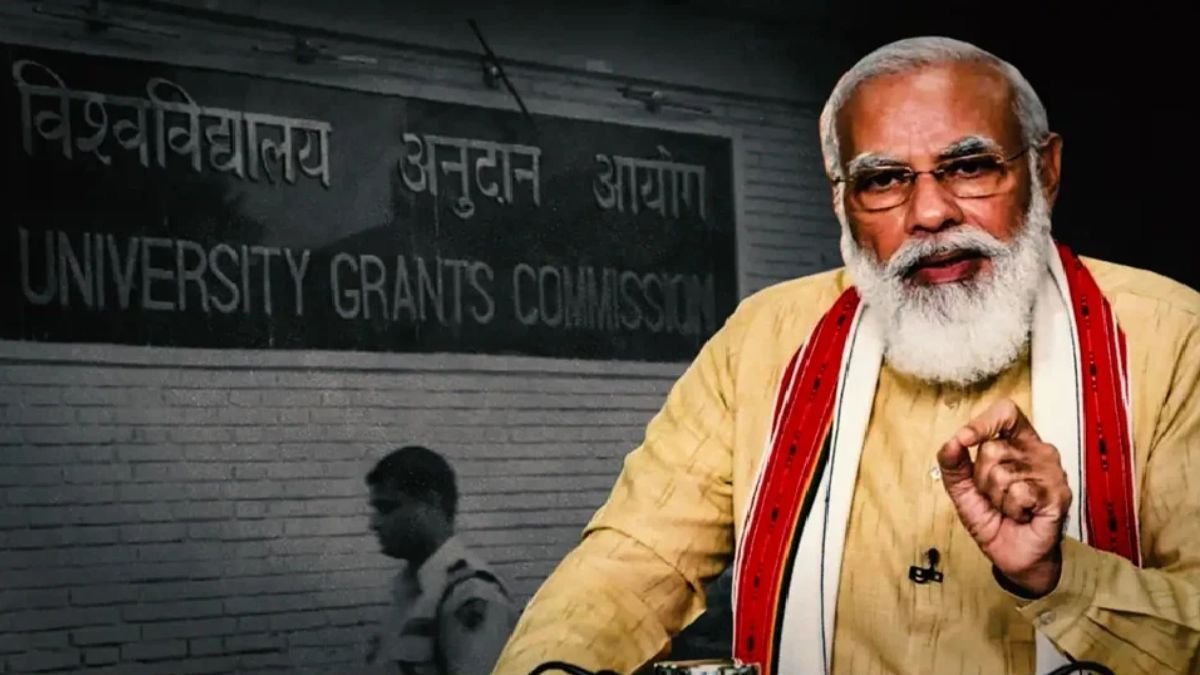
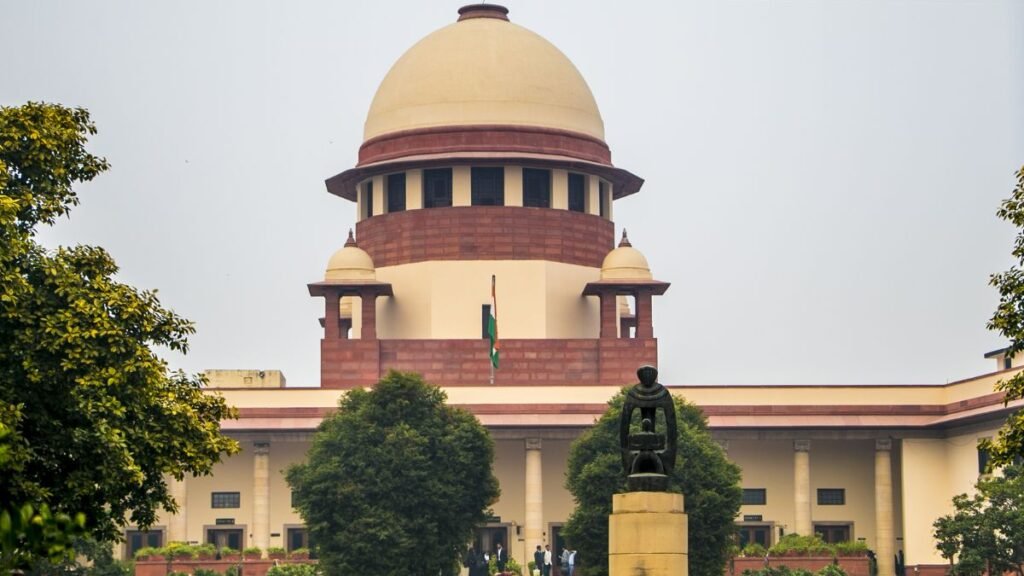
The Supreme Court on January 29, 2026, stayed the implementation of the new guidelines issued by the University Grants Commission (UGC) to prevent discrimination in higher education institutions.
A Bench led by the Chief Justice observed that the guidelines must first be examined by an expert committee, which should submit its recommendations. Until then, the Court said, the 2012 guidelines will continue to remain in force.
Multiple reports have long established that discrimination based on caste, religion, language, gender and other discrimination persists across institutions of higher learning in India.
Between 2014 and 2021, as many as 122 students died by suicide in higher education institutions and central universities. According to a written reply tabled in the Lok Sabha in 2021, 24 of them belonged to Scheduled Castes, three were from Scheduled Tribes, and 41 were from Other Backward Classes.
Data submitted by the UGC to a parliamentary committee and to the Supreme Court further reveal a sharp rise in complaints of caste-based discrimination. Between 2019–20 and 2023–24, such complaints from universities and colleges increased by 118.4 per cent. During this period, the UGC received 1,160 complaints from Equal Opportunity Cells and SC/ST Cells in 704 universities and 1,553 colleges. The number of reported cases rose from 173 in 2019–20 to 378 in 2023–24.
The UGC had framed guidelines in 2012 to curb discrimination in higher education. However, these were not made mandatory, reducing them largely to a paper exercise. Meanwhile, the number of suicides among SC and ST students, often attributed to caste-based discrimination, has continued to rise year after year.
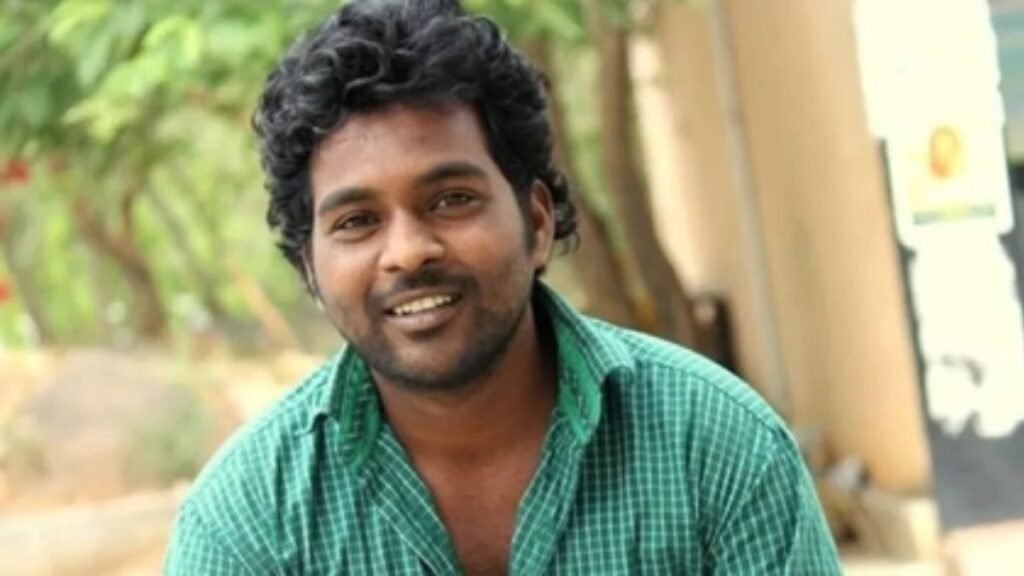
Seeking intervention, the mothers of students Payal Tadvi and Rohith Vemula, both of whom died by suicide, approached the Supreme Court. During the hearing, senior advocate Indira Jaising submitted a detailed note proposing a series of measures to address discrimination in campuses.
Prohibition of discriminatory practices:
Among the key recommendations were a clear prohibition on all discriminatory practices, with strict disciplinary action against violators.
No segregation:
A strict prohibition must be imposed on segregating students in hostels, classrooms, or practical training groups on the basis of rank or academic performance.
Scholarship disbursal:
To ensure that students are not harassed by educational institutions due to delays on the part of the government in releasing scholarships, the entire scholarship disbursal process must be implemented through a fully digital system, with proper monitoring mechanisms and accessible grievance-redressal facilities in place.
Grievance redressal:
A grievance redressal committee must be constituted to enable affected students to file complaints. At least 50 per cent of the committee’s members should belong to the SC, ST or OBC communities, and the chairperson must also be drawn from these groups. Appeals against the committee’s decisions should lie exclusively with the National Commissions for Scheduled Castes and Scheduled Tribes.
Protection of complainants:
A witness protection mechanism must be put in place to ensure that complainants are neither harassed nor intimidated during the course of the inquiry, and that they are allowed to pursue their complaints in accordance with the law.
Personal accountability for negligence:
All personnel of an educational institution, including its head, must be held personally accountable for acts of negligence.
Mental health counselling:
Trained counsellors should be appointed to support students and applicants from marginalised communities, with the counsellors possessing specialised training suited to their needs.
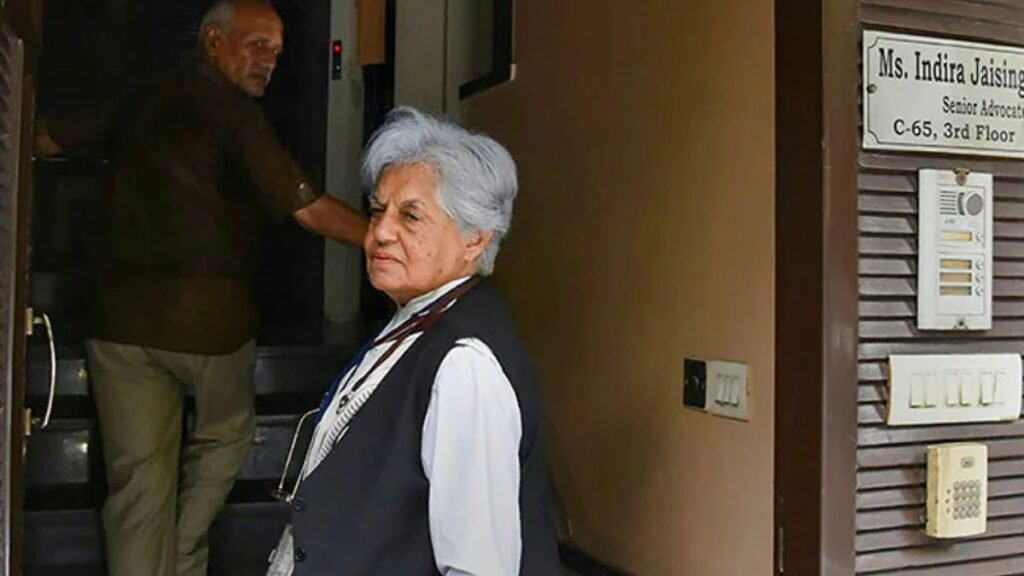
In all, the note contained ten recommendations. After examining the note, the judges referred to its recommendations in their order and, on September 15, 2025, directed the University Grants Commission to frame new guidelines.
Acting on this directive, the UGC prepared a draft of the guidelines, sought feedback from several experts, and carried out revisions accordingly. The revised guidelines were subsequently notified by the Commission in January this year.
In compliance with the Court’s direction, the University Grants Commission prepared a draft of the guidelines and invited comments from a range of experts. After incorporating these suggestions and making suitable revisions, the UGC formally issued the new guidelines in January.
The framework made it clear that protection from discrimination would extend not only to Scheduled Castes and Scheduled Tribes, but also to Other Backward Classes, persons with disabilities, the economically weaker sections (EWS), and women.
This expansion drew objections from certain fringe groups in parts of North India, who demanded that individuals from so-called upper castes also be explicitly included. In Uttar Pradesh, this opposition was amplified in a coordinated manner.
Subsequently, three petitions were filed in the Supreme Court seeking a stay on the UGC’s new guidelines. When these cases were taken up for hearing, the counsel appearing for the Union government offered no explanation or justification.
– D. Ravikumar, Member of the Lok Sabha (Villupuram)
Tamil intellectual, writer, lawyer and an anti-caste activist.
Translated by: Sriram Ranganath