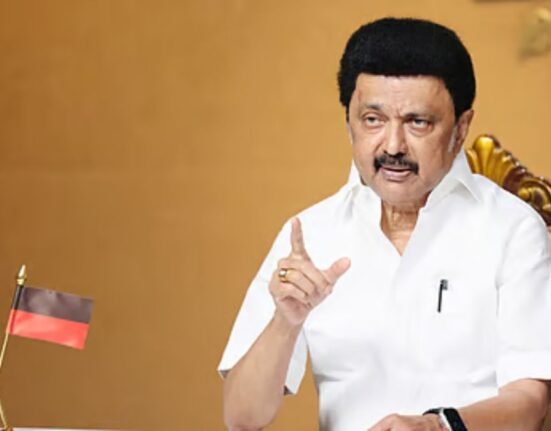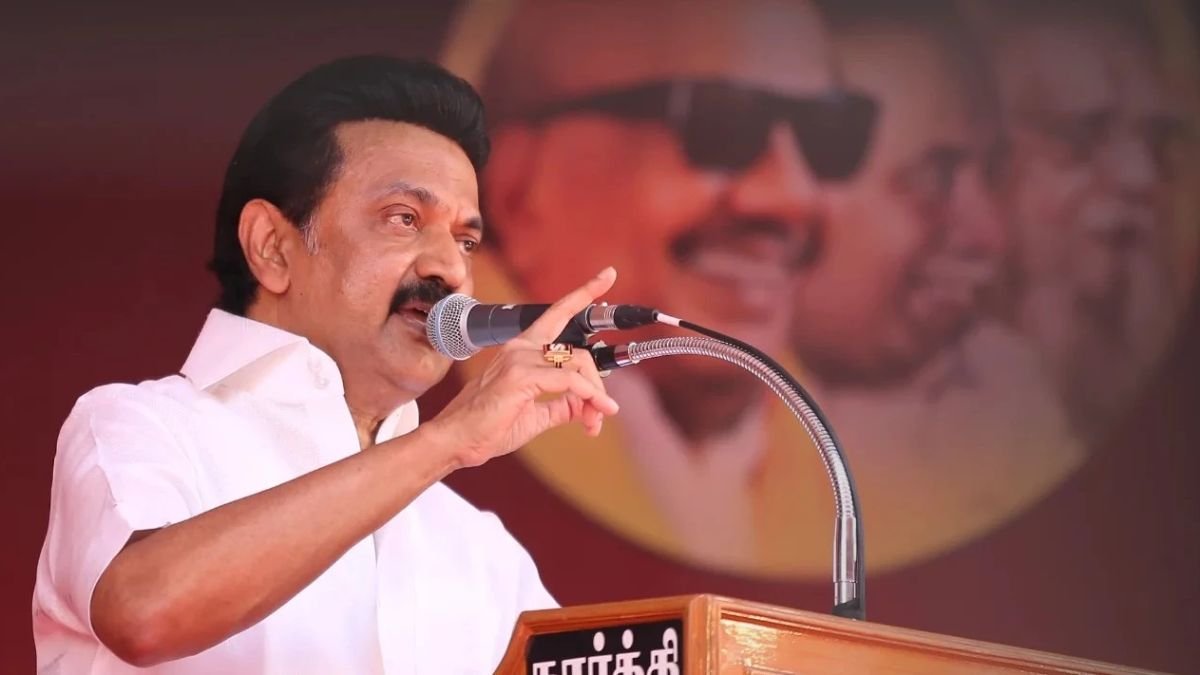
As Tamil Nadu Chief Minister MK Stalin celebrates his 73rd birthday today, March 1, the occasion offers more than a ceremonial greeting. It provides an opportunity to reflect on a leadership phase that has significantly reshaped governance in the State, placing social justice, inclusive development, and citizen-first administration at the centre of public policy.
Since assuming office in May 2021, Stalin’s tenure has been defined by a decisive shift from announcement-driven politics to outcome-oriented governance. His administration has prioritised dignity-based welfare, institutional accountability, and targeted delivery, ensuring that government schemes translate into tangible benefits on the ground.
A Governance Model Rooted in Social Justice
Social justice has remained the ideological and administrative foundation of Stalin’s governance. His government has reinforced this commitment through health, safety, and welfare interventions aimed at protecting the most vulnerable.
A key initiative in this direction is the Innuyir Kappom Thittam, a pioneering road accident emergency care scheme. Under the programme, accident victims receive cashless treatment up to ₹1 lakh during the critical “golden hour” at empanelled hospitals, regardless of income status. The scheme has already saved thousands of lives by eliminating delays caused by financial constraints and hospital hesitancy. Importantly, it shifts the focus from post-accident compensation to immediate life-saving intervention, marking a significant reform in public health response.
Complementing this is the expansion of the Chief Minister’s Comprehensive Health Insurance Scheme (CMCHIS), which now offers enhanced coverage for advanced treatments, benefitting lakhs of families annually and substantially reducing out-of-pocket medical expenses.
Education as the Cornerstone of Progress
Education has been positioned as the primary driver of long-term social mobility under Stalin’s leadership. Multiple schemes introduced during his tenure aim to address dropout rates, nutritional deficiencies, and economic barriers to learning.
The Pudhumai Penn Scheme, which provides monthly financial assistance to girl students studying in government schools, has benefited over 15 lakh students, significantly improving higher education enrolment among girls.Adding to this, the Tamil Pudhalvan Scheme extends similar financial support to boys from economically weaker backgrounds pursuing education after school. The initiative focuses on preventing early dropouts caused by financial pressures and encourages continued learning, especially among first-generation learners.
The Tamil Nadu Chief Minister’s Breakfast Scheme has emerged as a transformative intervention at the primary education level. Covering more than 18 lakh students in government primary schools, the scheme ensures nutritious morning meals, leading to improved attendance, better classroom engagement, and enhanced learning outcomes, particularly in rural and marginalised communities. Education experts have widely acknowledged the scheme’s role in addressing hidden hunger and learning gaps.
Women-Centric Welfare with Economic Impact
Women empowerment has been a defining feature of Stalin’s welfare framework, with policies designed to enhance both mobility and financial independence.The flagship Kalaignar Magalir Urimai Thogai Thittam, which provides ₹1,000 per month to women heads of eligible households, currently covers over one crore families. Beyond income support, the scheme has strengthened household financial stability and boosted local consumption.
Equally impactful is the Free Bus Travel Scheme for Women, which has enabled millions of women, to travel free of cost on government buses. The initiative has expanded access to education, employment, and healthcare while also increasing workforce participation among women, especially from rural and semi-urban areas.
The government has further reinforced women’s economic empowerment by expanding credit access and market opportunities for self-help groups, enabling sustainable entrepreneurship across districts.
Urban Development and Infrastructure Momentum
Stalin’s administration has pursued infrastructure development as a catalyst for inclusive growth. Through initiatives such as Singara Chennai 2.0, the government has focused on restoring water bodies, improving stormwater drainage, upgrading roads, and enhancing public spaces.
Simultaneously, large-scale investments in metro rail expansion, highways, industrial parks, and EV manufacturing zones have strengthened Tamil Nadu’s position as a leading investment destination, generating employment and long-term economic resilience.
Responsive Administration and Institutional Reforms
Governance under Stalin has emphasised accessibility and accountability. Platforms such as CM Helpline 1100, regular district-level reviews, and digitisation of public services have significantly improved grievance redressal efficiency.
Decentralised planning, strengthened local bodies, and transparent monitoring mechanisms have ensured that policy intent is matched by administrative execution.
A Leadership Defined by Delivery
M.K. Stalin’s leadership is characterised not by rhetoric, but by consistent delivery. His government’s welfare initiatives are data-driven, monitored, and periodically refined to maximise impact. The emphasis has remained on dignity, equity, and long-term social transformation.
As Tamil Nadu marks his birthday, it also marks a governance phase that prioritises people over populism, one that continues to shape the State’s present with an eye firmly on its future.
– Magizh