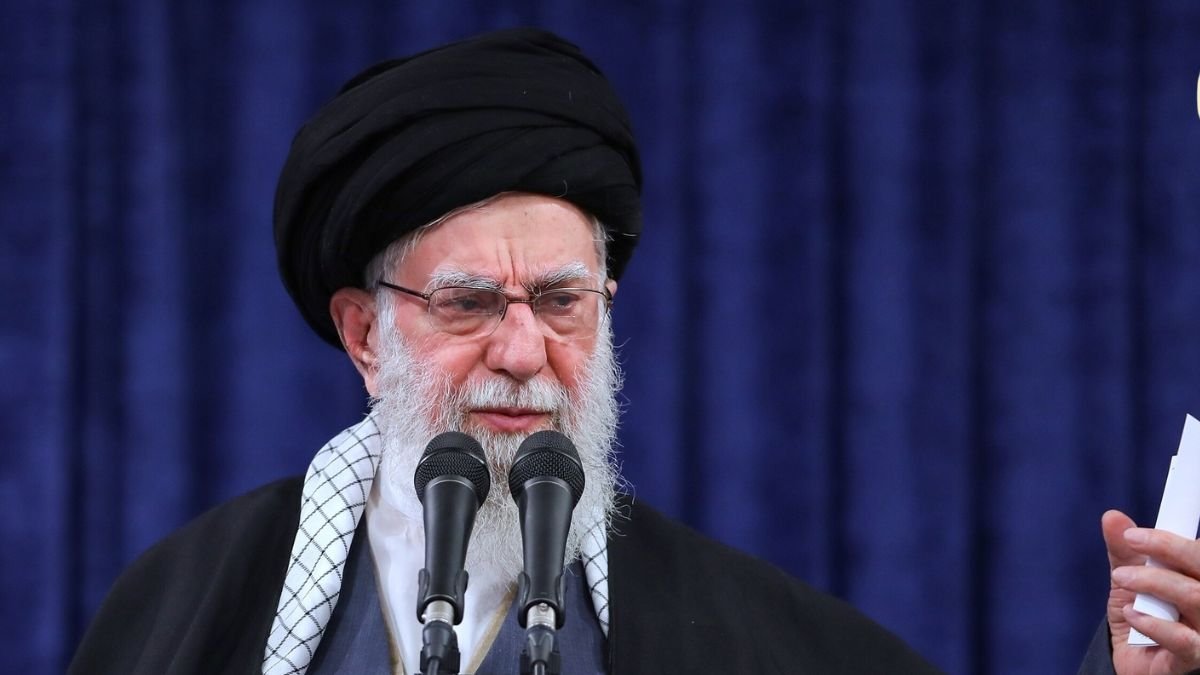
In a dramatic escalation of Middle East tensions, Iranian Supreme Leader Ayatollah Ali Khamenei, who led the Islamic Republic for more than three decades, has been killed in a joint military strike conducted by the United States and Israel, Iranian state media and multiple international sources have confirmed. The development marks a watershed moment in the ongoing conflict and has triggered a deepening leadership crisis in Tehran with potentially far-reaching geopolitical repercussions.
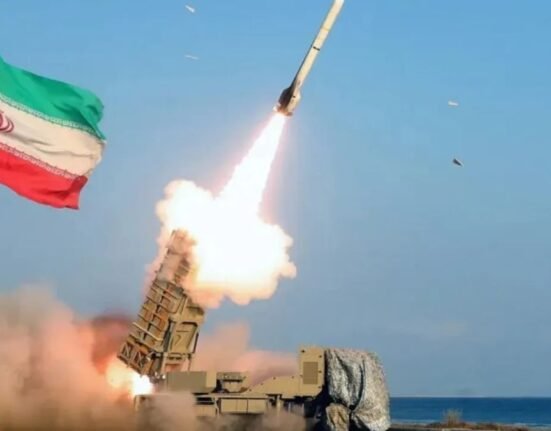
According to official announcements and verified reporting, coordinated U.S.–Israeli airstrikes on 28 February 2026 targeted strategic sites in Tehran and other locations, as part of a wide-ranging operation aimed at degrading Iran’s nuclear programme and military command structure. Iran’s state television later broadcast that Khamenei, aged 86, was killed when his compound was struck, prompting a 40-day period of national mourning declared by the government.
U.S. President Donald Trump publicly acknowledged the death via social media, calling Khamenei “one of the most evil people in history,” and framing the military action as a decisive step against what he characterised as Iran’s destabilising influence. Israeli Prime Minister Benjamin Netanyahu similarly indicated there were “many signs” the Supreme Leader had been killed, although exact operational details remain closely held by the two allied militaries.
Khamenei, who succeeded Ayatollah Ruhollah Khomeini in 1989, was one of the world’s longest-serving unelected heads of state. Under his stewardship, Iran pursued a hard-line ideological stance, expanded its regional proxy networks including support for Hezbollah in Lebanon and militias in Iraq and Yemen and maintained a prolonged adversarial relationship with both the U.S. and Israel. His tenure was also marked by repeated domestic unrest and crackdowns, as well as periodic negotiations over Iran’s nuclear activities.
The attack and Khamenei’s demise have precipitated immediate uncertainty inside Iran’s political hierarchy. With many senior leaders reportedly killed alongside him, Tehran faces a succession crisis under its constitution, which calls for a temporary governing council to oversee the transition until a new Supreme Leader is selected. The vacuum at the top of Iran’s theocratic system raises profound questions about the future direction of the republic, its military posture and the cohesion of its revolutionary institutions.
The strike has already generated furious reactions across the region. Iran’s authorities have vowed sustained retaliation, with military commanders warning that all options remain “on the table” as they seek to respond to what they describe as aggressive foreign intervention. Protests and official condemnations have erupted not only in Iran but also among allied and sympathetic populations in countries such as Iraq and Pakistan, reflecting the wider resonance of the crisis.
Global powers have reacted with alarm, with calls from the United Nations, European capitals and Middle Eastern governments for immediate restraint. Many analysts fear the assassination of such a central figure long a symbol of Iranian resistance to Western influence could expand the conflict beyond bilateral clashes, potentially drawing in other regional actors and complicating diplomatic efforts to de-escalate.