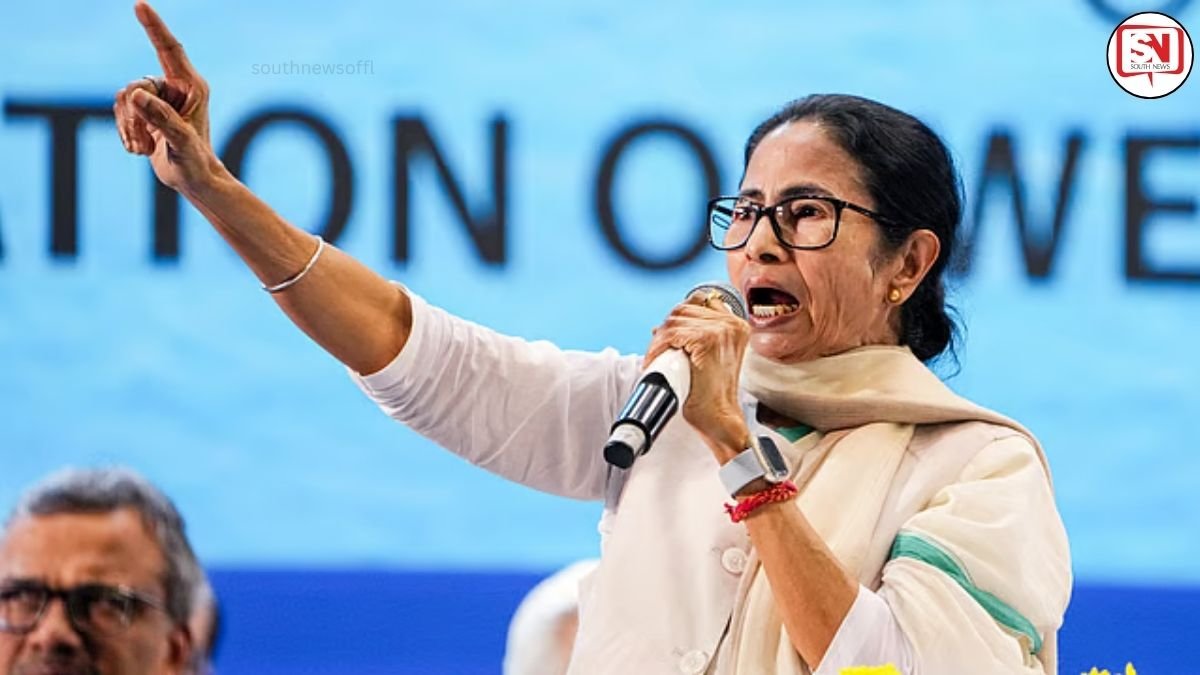
West Bengal Chief Minister Mamata Banerjee and the All India Trinamool Congress (TMC) have approached the Supreme Court of India challenging the ongoing Special Intensive Revision (SIR) of electoral rolls in the state. The petition has been filed on behalf of the TMC by senior party leader and Rajya Sabha MP Derek O’Brien, raising serious constitutional and procedural concerns regarding the voter list revision process conducted by the Election Commission of India.
According to the petition, the SIR exercise has resulted in the removal of nearly 5.8 million voters from the draft electoral rolls published after the first phase of verification. The party claims that a large number of genuine and eligible voters were excluded without being given proper notice, opportunity for verification, or transparent justification. The deletions, the petition argues, threaten the fundamental democratic right to vote and could significantly impact electoral fairness in the state.
Mamata Banerjee has strongly criticized the manner in which the SIR was carried out, alleging that the process was arbitrary, opaque, and technologically driven without adequate safeguards. She stated that many voters—especially senior citizens, migrant workers, women, minorities, and persons with disabilities—were subjected to unnecessary stress and confusion due to sudden deletions and repeated summons for verification. In several cases, voters reportedly discovered their names missing from the rolls without prior communication.
A key issue raised in the Supreme Court petition is the use of digital tools and artificial intelligence-based systems to flag voter records under categories such as “logical discrepancy.” The TMC contends that these classifications were not clearly defined and that voters were not informed about the criteria used to identify discrepancies. The petition argues that such technology-driven decisions, when applied without transparency or human oversight, increase the risk of large-scale disenfranchisement.
The legal challenge also questions the compressed timelines imposed for claims and objections, which the party says made it practically impossible for millions of voters to respond effectively. The petition highlights that many rural voters, elderly individuals, and people living in remote areas lacked access to digital platforms or the physical ability to attend hearings within the short time frame.
Another major concern raised is the alleged lack of accountability in data handling and verification. The TMC has demanded that the Election Commission clearly disclose the software systems, data sources, and verification mechanisms used during the SIR process. The petition insists that any voter revision exercise must strictly adhere to constitutional principles of fairness, natural justice, and transparency.
Mamata Banerjee has framed the legal battle as a fight to protect democracy and voter rights, stating that elections cannot be free or fair if eligible citizens are excluded without due process. She has also urged the Supreme Court to intervene to ensure that no voter is denied their constitutional right because of administrative lapses or technological errors.
Through this petition, the TMC has sought multiple remedies, including a pause on the finalization of electoral rolls, an extension of deadlines for verification and objections, and special protections for vulnerable groups. The party has also requested stricter oversight of technology use in electoral processes to prevent misuse or unintended consequences.
The case has gained national significance, as it raises broader questions about the balance between electoral roll accuracy and voter inclusion. With elections approaching, the Supreme Court’s response to the petition is expected to have a major impact on how voter revision exercises are conducted across India in the future.