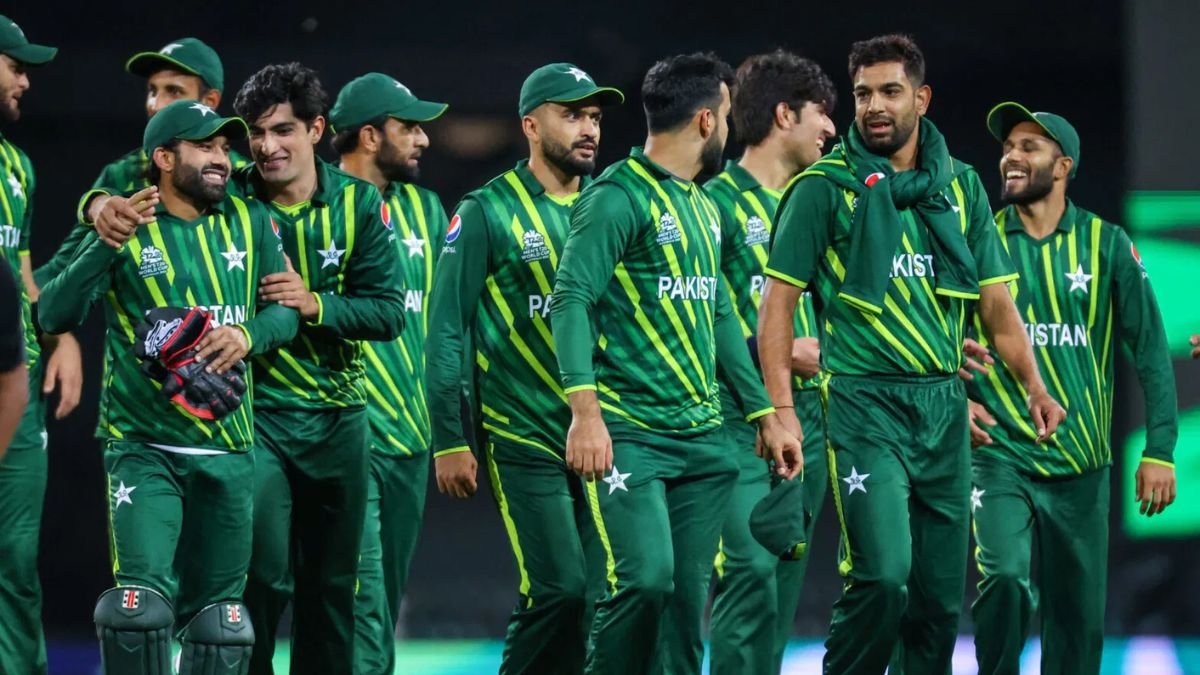
In an unprecedented move, Pakistan Cricket Board has announced that its national men’s team will boycott its high-profile ICC Men’s T20 World Cup group stage match against India national cricket team scheduled for 15 February 2026 in Colombo. While Pakistan will otherwise participate in the tournament, the decision to forfeit this fixture has sent shock waves across the cricketing world and ignited fresh debate over politics, governance and sport.
On Sunday the Government of Pakistan confirmed that its side had been cleared to travel to Sri Lanka — the co-host of the tournament — but explicitly stated that the team “shall not take the field in the match scheduled against India.” The statement did not elaborate on precise motivations, but the boycott follows Pakistan’s vocal objections to the International Cricket Council decision to replace Bangladesh national cricket team with Scotland national cricket team after Bangladesh opted not to play matches in India over security concerns — a move Islamabad has publicly criticised as inequitable.
The ICC has issued a stern statement urging Pakistan to reconsider, warning that selective participation undermines the spirit of global competition and is “not in the interest of the global game or the welfare of fans worldwide.” The governing body has also suggested there could be “long-term implications” and potential sanctions if the boycott is carried through.
Domestically, cricket administrators and former players have weighed in.
Pakistan captain Salman Ali Agha said he felt powerless over the boycott directive, describing the choice as one beyond the team’s control.
In India, officials from the Board of Control for Cricket in India have backed the ICC’s position while stressing that India will adhere to its protocols and travel to Colombo as planned, even if the fixture results in a walkover.
India-Pakistan clash at a global tournament is not just a sporting spectacle but one of cricket’s most lucrative broadcast attractions. Its absence could have significant commercial implications for rights holders, cricket boards and global viewership alike — underscoring the wider impact when geopolitics and sport collide.