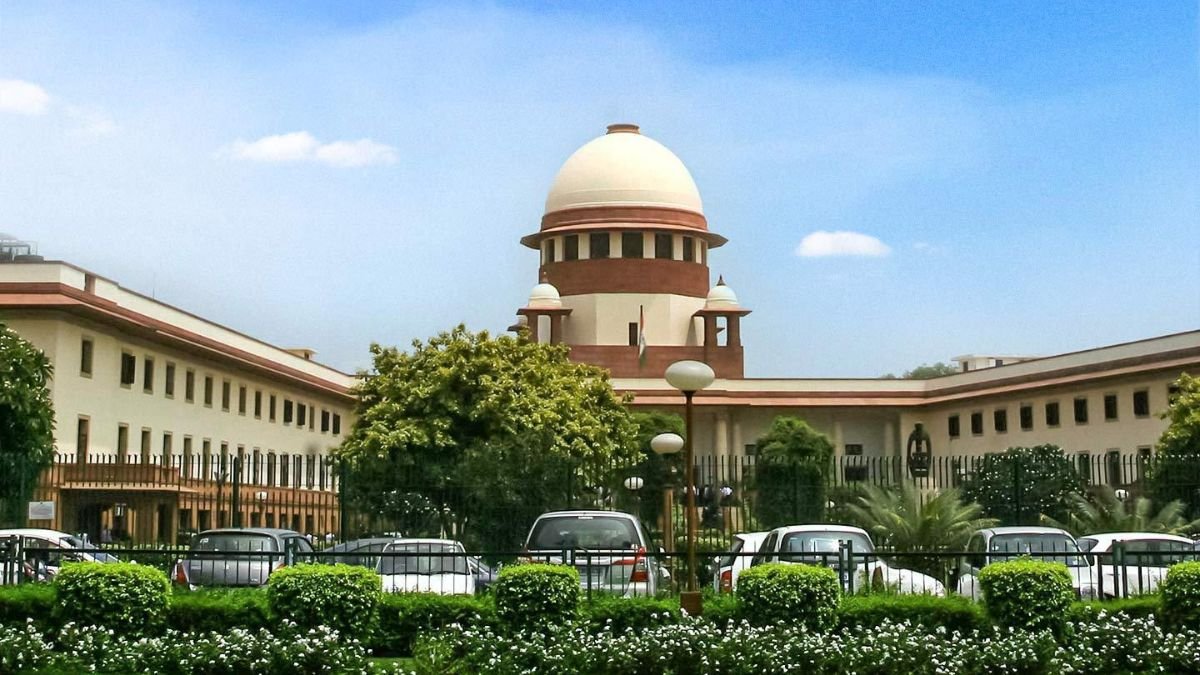
New Delhi — In a landmark and widely debated decision, the Supreme Court of India has directed the National Council of Educational Research and Training (NCERT) to immediately withdraw and remove a chapter on judicial corruption from a Class VIII political science textbook, describing it as a “deep-rooted, well-planned conspiracy to defame the judiciary.” The top court also issued a contempt notice to the NCERT Director for including the chapter and refused to stay its own order despite challenges from students and academics.
The controversy erupted after the textbook containing a chapter that critically examined allegations of corruption within the Indian judicial system was published as part of the 2025–26 curriculum. Several petitions were filed before the Supreme Court by lawyers and activists asserting that the chapter undermined public confidence in the judiciary and misrepresented factual realities, while others including students and educators argued it was a legitimate academic exploration of institutional accountability.
In a sharply worded ruling, a Constitution bench of the Supreme Court held that the chapter went beyond scholarly critique and “cast aspersions on the integrity of the Indian judiciary without support of verified facts.” The bench stated that the chapter’s inclusion risked eroding trust in the rule of law and judicial independence foundational pillars of the Constitution that sustain democratic governance. The judgment underscored that educational materials for school students must balance critical inquiry with respect for constitutional institutions.
The court’s order directed the NCERT to take down the disputed chapter from all printed and digital versions of the textbook and prohibited its distribution or use in classrooms with immediate effect. In addition, the Chief Justice admonished the NCERT Director for failing to exercise appropriate editorial oversight, issuing a notice of contempt of court and asking the official to explain the rationale for including such a chapter in the national curriculum.
The decision triggered intense reaction across academic and political circles. Supporters of the ruling emphasised the importance of safeguarding the judiciary’s credibility, arguing that one of the country’s most respected institutions should not be characterised in a manner that implies systemic corruption without rigorous empirical grounding. Critics, however, cautioned that the order could chill legitimate scholarly discourse and constrain critical engagement with institutional challenges particularly in subjects such as political science and contemporary affairs.
The dissenters stressed that textbooks in advanced classes should invite students to examine complex questions including those involving constitutional institutions through evidence and methodical inquiry. Some academics noted that concerns about judicial accountability have been part of public debate in India, including references in secondary literature and civil society reports, but insisted that formal educational contexts should encourage balanced analysis rather than outright censorship.
Legal observers say the case raises fundamental questions about academic freedom, curriculum autonomy and the role of constitutional institutions in shaping public understanding. The Supreme Court’s intervention grounded in its responsibility to uphold public confidence in the judiciary may become a pivotal reference point for future disputes involving political content in school textbooks.
As the education community processes the implications of the ruling, debates are likely to continue over how best to teach complex social and political issues to young learners while navigating legal boundaries and institutional sensitivities.