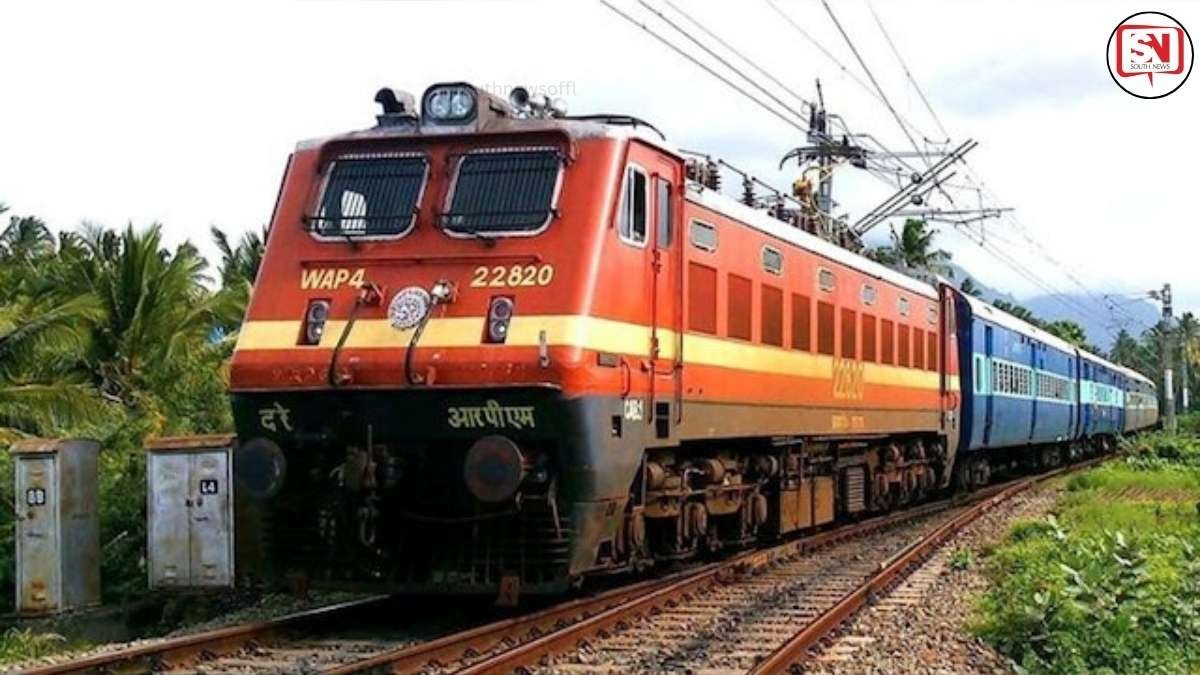
The recent passenger train fare hike has officially come into effect across India, triggering widespread concern among daily commuters and long-distance travelers. Announced by the Union Ministry of Railways, the fare increase is aimed at managing rising operational costs and improving railway infrastructure. However, for millions of common people, this decision has added yet another financial strain to their already tight monthly budgets.
For daily wage workers, office commuters, students, and small traders, trains remain the most affordable and dependable mode of transport. With ticket prices now increased, many passengers fear that even short-distance travel will become more expensive over time. Families who rely on trains for frequent travel are likely to feel the impact immediately, especially in a period marked by rising prices of essential commodities.
Passengers have also expressed concern that fare hikes often come without visible improvements in basic facilities such as cleanliness, punctuality, and overcrowding. While the Railways maintains that the increase is necessary to sustain services and meet maintenance expenses, travelers argue that the burden should not fall solely on the common man.
Experts believe that repeated fare hikes could discourage train travel and push people toward less affordable or less safe alternatives. Public voices on social media and at railway stations reflect growing frustration, with many urging the government to consider passenger-friendly solutions instead of frequent price increases.
As inflation continues to affect household expenses, the train fare hike has emerged as another reminder of the economic pressures faced by ordinary citizens. Whether this move will lead to long-term improvements in railway services remains to be seen, but for now, common passengers are left adjusting to higher travel costs.