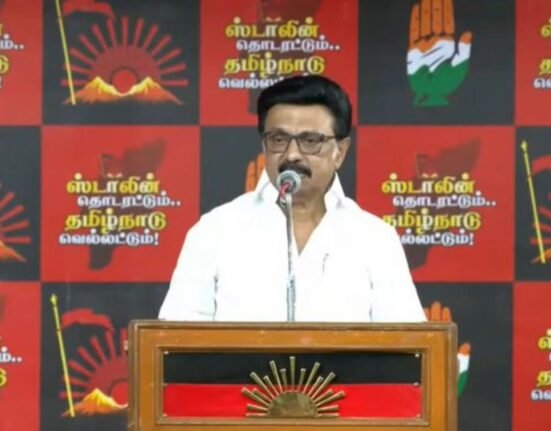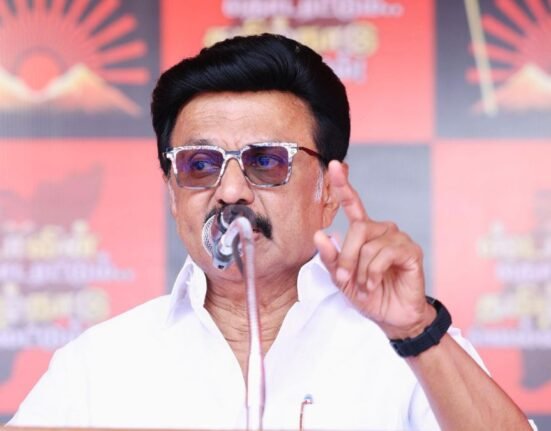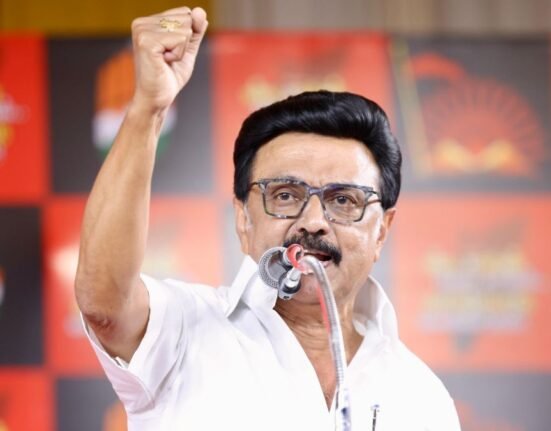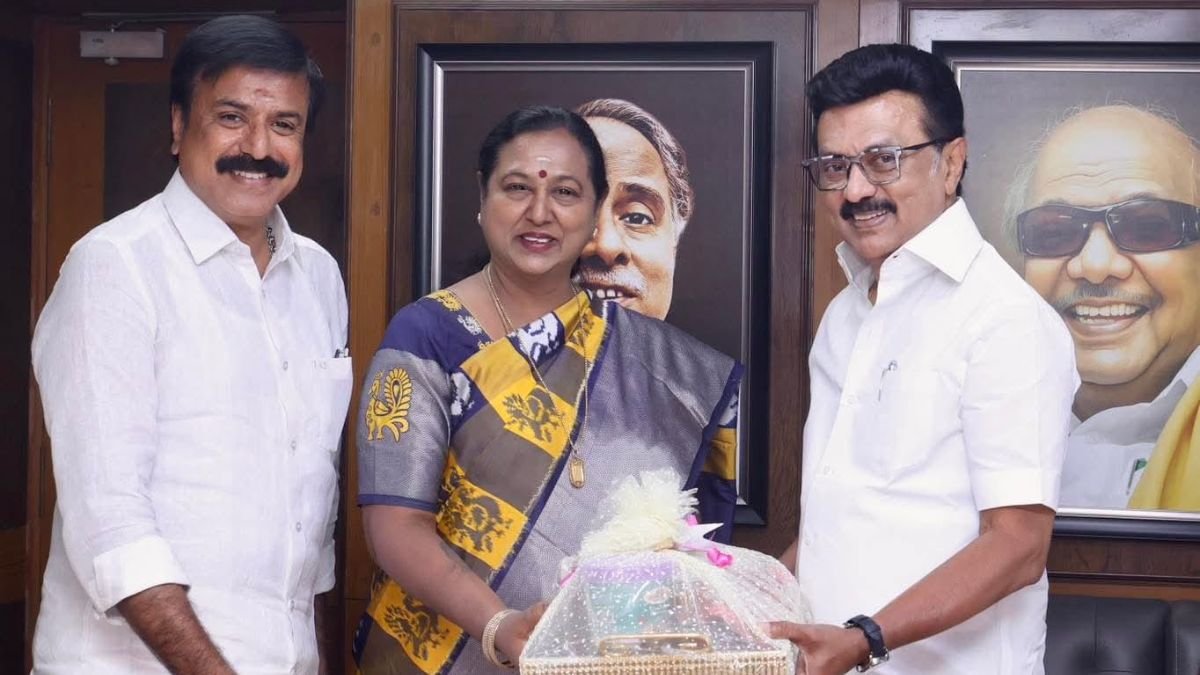
Chennai — In a politically significant development ahead of the 2026 Tamil Nadu Assembly elections, the Dravida Munnetra Kazhagam (DMK) and the Desiya Murpokku Dravida Kazhagam (DMDK) have formalised an electoral alliance, bringing together two influential forces under a common banner. The pact was sealed after a meeting between Premalatha Vijayakanth, the leader of the DMDK, and Chief Minister M.K. Stalin on 19 February 2026.
The alliance marks a rare convergence of political interests in Tamil Nadu’s complex electoral landscape. Premalatha Vijayakanth, wife of Late Vijayakanth, joined DMK leaders in Chennai for a high-profile discussion that concluded with public affirmations of unity and shared objectives. According to party officials, the agreement reflects mutual recognition of the need to present a cohesive front against rival coalitions, particularly as the election year intensifies.
At the announcement, Premalatha Vijayakanth emphasised the alignment of policy priorities between the DMDK and DMK, particularly on issues such as social welfare, farmer support and regional development. “In the interest of Tamil Nadu’s progress and unity, we have chosen to cooperate with the DMK,” she said, underscoring her belief that the alliance will resonate with voters seeking stability and inclusive growth.
For his part, Chief Minister M.K. Stalin welcomed the DMDK’s entry into the alliance fold. He described the development as a step toward consolidating progressive forces in the State, stressing that collective effort is essential to address economic challenges, improve infrastructure and expand opportunities for youth and rural communities. Party insiders noted that the inclusion of the DMDK’s organisational base particularly in districts where it has historically held influence could provide a tactical edge for the DMK coalition.
Political analysts view the DMK–DMDK alliance as a strategic reinforcement ahead of what is expected to be a fiercely contested election. The DMDK has cultivated pockets of grassroots support that, under a united front, could augment the DMK’s already broad coalition. Observers also point out that the alliance may help neutralise splinter groups and reduce vote fragmentation among Opposition parties.
The formalisation of this partnership adds momentum to the Opposition’s campaign narrative and signals a recalibration of electoral equations across Tamil Nadu. As parties finalise seat distributions and campaign strategies, the DMK–DMDK tie-up is likely to influence voter calculus in several key constituencies.
With campaigning set to intensify in the coming weeks, all eyes will be on how this newly forged alliance performs on the ground and whether it alters the broader contours of Tamil Nadu’s electoral map.