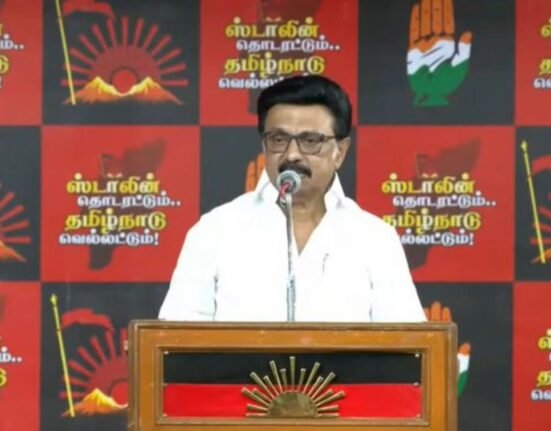

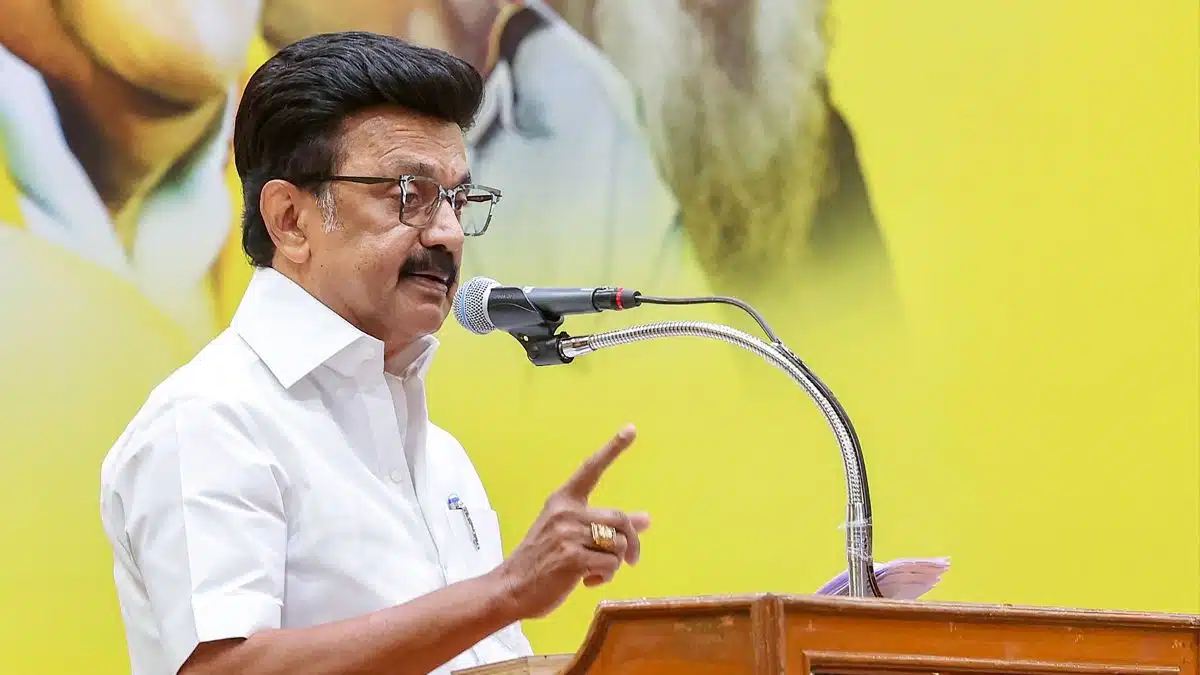
Tamil Nadu Chief Minister MK Stalin has publicly celebrated the defeat of the Constitution (Delimitation) Amendment Bill in the Lok Sabha, calling it a major victory for Tamil Nadu and the wider opposition and using the moment to project the DMK as a national‑level resistance force against what he calls “Delhi‑centric” decision‑making. The delimitation bill, which the government tried to push under the cover of the women’s‑reservation narrative, fell by 68 votes, marking the first such constitutional‑amendment defeat for the Modi‑led majority in 12 years and a rare political setback in Parliament.
Stalin’s “Tamil Nadu vs Delhi” narrative
Stalin has repeatedly framed the delimitation fight as “Tamil Nadu vs Delhi”, arguing that the bill’s provisions would have indirectly weakened the representation of southern states like Tamil Nadu in the Lok Sabha by tying future seat‑allocation more tightly to the 2031 Census and a new Delimitation Commission dominated by the BJP. In his public remarks, he has said “Tamil Nadu has defeated Delhi!” and described the outcome as proof that the state’s political will, when backed by a united opposition, can push back against Centre‑driven constitutional changes perceived as unfair to the South.
He has also called the bill a “black law” and a “black delimitation bill”, claiming it was designed to serve the BJP’s electoral map‑making interests under the guise of technical demography. Stalin has emphasised that Tamil Nadu is not against delimitation per se, but insists on a fair, consultative process that does not marginalise the South or dilute its voice in the House of the People.
Celebration, sweets, and political messaging
In Chennai, DMK leaders and workers celebrated the bill’s defeat with sweets and firecrackers, treating the Parliamentary result almost like an election‑day victory. Stalin has interpreted the defeat as a “trailer” of things to come in the 2026–27 elections, telling allies and cadres that if the opposition can unite on such a sensitive issue, it can also win a broader mandate against the BJP‑NDA.
He has also used the moment to sharpen his critique of the Centre, saying the bill exposed who Tamil Nadu’s “friends and traitors” are in the political firmament. In several speeches and social‑media posts, he has argued that the delimitation issue helped the DMK and the INDIA bloc identify partners who stood firmly with the South and those who, in his view, sided with Delhi’s agenda.
Bigger implications for federal politics
By celebrating the bill’s defeat as a joint opposition victory and crediting all parties that voted against it, Stalin is trying to position the DMK as a core pillar of the federal‑opposition construct, not just a state‑centred Dravidian party. The episode has also given him a potent campaign line for the 2026 Tamil Nadu Assembly elections: that the state’s identity and representation are under threat from Delhi‑driven projects, and that only a government led by the DMK can “protect Tamil Nadu’s voice in India’s democracy.”
For the BJP, the rollback is a tactical setback that has already been seized upon by the opposition as evidence that the government’s invincibility in Parliament has begun to crack. For Stalin, it is a moment of high symbolism: a Tamil Nadu‑centric battle in the Parliament of India has ended with a result that he can legitimately claim as a state‑level triumph with national overtones.
–Samuthiran